
The Mi’kmaw Two Worlds
BarkskinsThis flow traces how Mi’kmaw characters negotiate cultural continuity while adapting to settler languages, tools, laws, and wage work.
increasing Bearing strength in each event
 decreasing
Bearing strength in each eventdecreasingThe Memory of Home
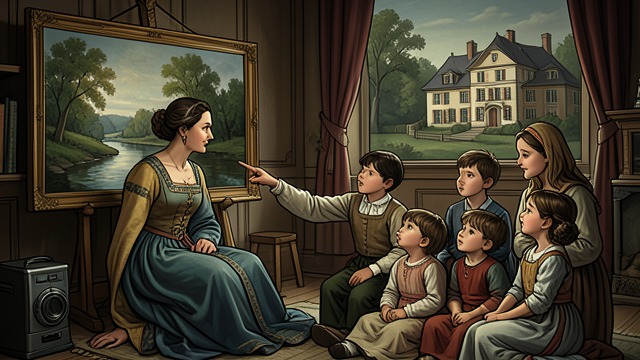
The Memory of Home
A Homeland Remembered
Mari’s stories preserve Mi’kma’ki as a place of rivers, plants, food, and shared life.
Children Between Cultures
Her children inherit this memory while living in French houses and learning the customs of settlers.
Return and Adaptation
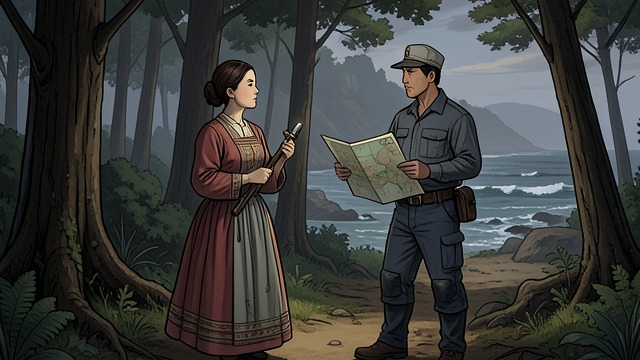
Return and Adaptation
New Knowledge Needed
The siblings learn unfamiliar coastal ecologies and find that their mother’s remembered homeland has been altered.
Selective Exchange
They trade, take paid work, and adopt tools without abandoning the idea that they remain Mi’kmaw.
The Oil on Water
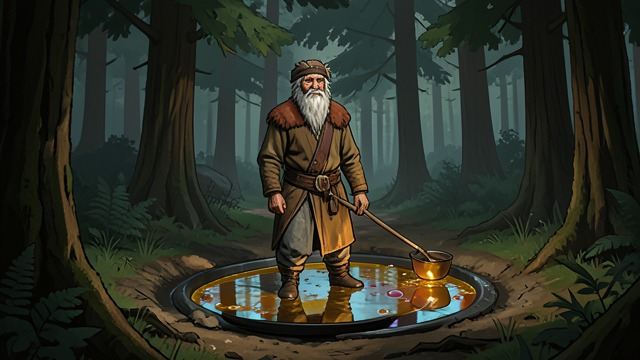
The Oil on Water
A Family Explanation
Kuntaw uses oil floating above water to describe Mi’kmaw identity surviving within mixed ancestry.
Belonging Reclaimed
Aaron recognizes that adaptation need not mean erasing the Mi’kmaw part of himself.
School and Erasure
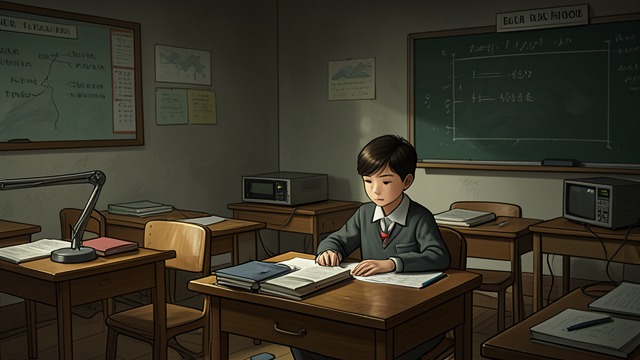
School and Erasure
A False Promise
Egga’s parents send him to residential school believing literacy will protect him from hard logging work.
Cultural Violence
The school exploits, abuses, and isolates him, turning education into a mechanism of cultural destruction.
A New Generation’s Choice
A New Generation’s Choice
Reconnection Through Work
Jeanne and Felix seek Sapatisia and enter a restoration project that joins family history with ecological labor.
Continuity in Change
They do not recover an untouched past; they build a future that carries Mi’kmaw identity into new forms of work.
During Mari’s stories to her children
After the Sel siblings reach Mi’kma’ki
After Aaron returns to Kuntaw’s relatives
Twentieth century, during Egga’s childhood
Near the novel’s end
