
A Family of Forest Workers
BarkskinsThis flow follows generations of Sel descendants whose work changes with logging technology, while their connection to the forest and to one another persists unevenly.
increasing Bearing strength in each event
 decreasing
Bearing strength in each eventdecreasingFrom Hunting to Wages
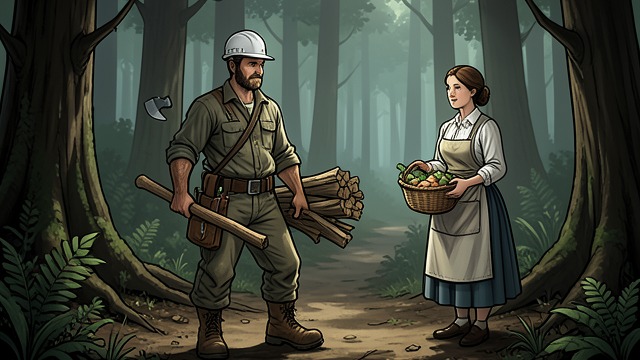
From Hunting to Wages
Shrinking Subsistence
As game and fish decline, Sel men take paid work chopping trees and making tools for settlers.
A Changed Relationship
Wage labor provides food and goods but draws the family into the industry transforming their homeland.
The Logging Generations
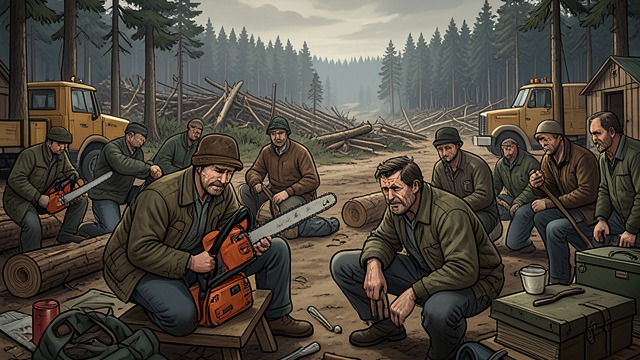
The Logging Generations
Many Kinds of Work
The Sels cut, haul, drive, mill, and build roads across Nova Scotia, New Brunswick, Maine, and farther west.
Danger Becomes Routine
Work injuries and deaths recur, with river driving and mechanized logging especially hazardous.
The Last River Drivers
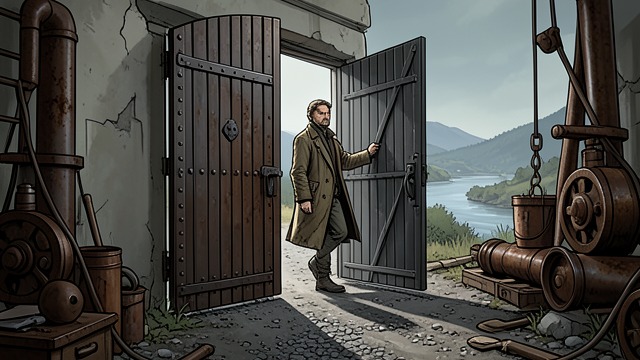
The Last River Drivers
Old Skills Decline
Roads, trucks, and railways replace spring log drives, removing a traditional form of dangerous work.
New Machines, New Hazards
Chainsaws and heavy equipment reduce some physical tasks but create new risks and further accelerate cutting.
A Different Forest Career
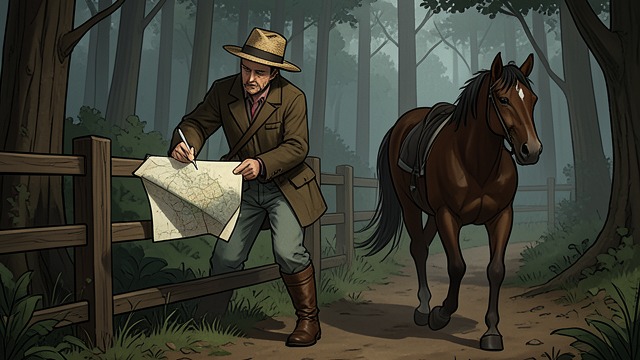
A Different Forest Career
Horse Logging and Study
Jackson Mius turns from horse logging to formal forestry, seeking knowledge to manage woods more carefully.
Family Memory Continues
Relatives who rarely visit the reserve still return for St. Anne’s Day, carrying an enduring sense of kinship.
The Restoration Team
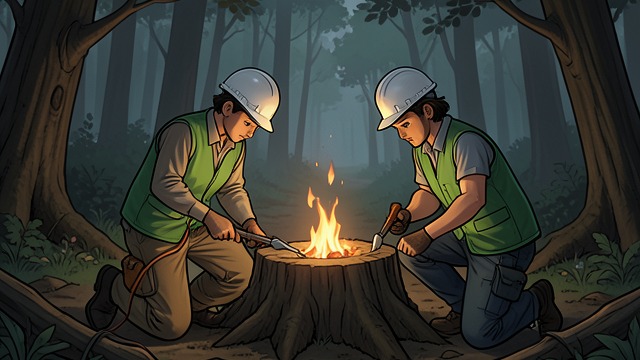
The Restoration Team
Younger Relatives Join
Jeanne and Felix enter paid forest restoration work, bringing a new generation of Sels and Mius into forestry.
A Changed Purpose
Their work centers on restoring ecological relationships rather than simply cutting trees for sale.
After the Sels return to Mi’kma’ki
From the nineteenth century through the Great War
After mechanized transport spreads
Late twentieth century
Near the ending
