
The Sel Family’s Women
BarkskinsThis flow traces women’s labor, knowledge, and agency across generations, from Mari’s household expertise to later women’s choices about work and identity.
increasing Bearing strength in each event
 decreasing
Bearing strength in each eventdecreasingMari’s Practical Knowledge
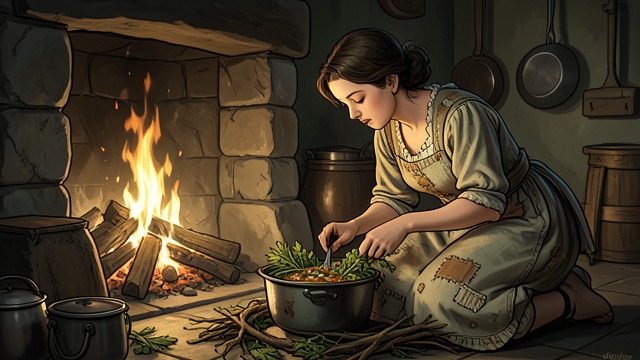
Mari’s Practical Knowledge
Food and Healing
Mari supplies medicine, food, and practical care in a household where French men depend on her knowledge.
Teaching Through Daily Life
Her skills pass to children through observation, stories, and work rather than formal instruction.
Noë and the Children
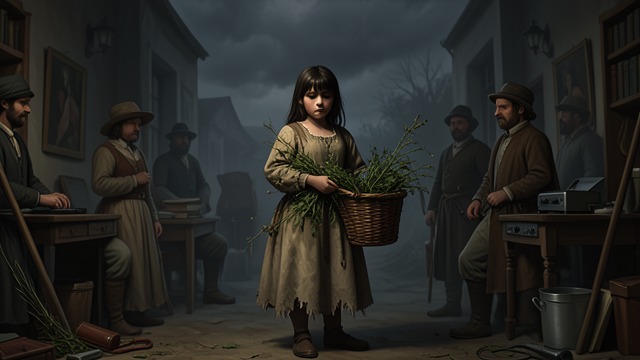
Noë and the Children
Work of Survival
Noë and Zoë gather plants, make baskets, and sustain a household while their brothers work away.
Vulnerability and Choice
Noë raises Auguste after sexual violence, while the sisters later decide whether to leave the family property.
Women in the Camps
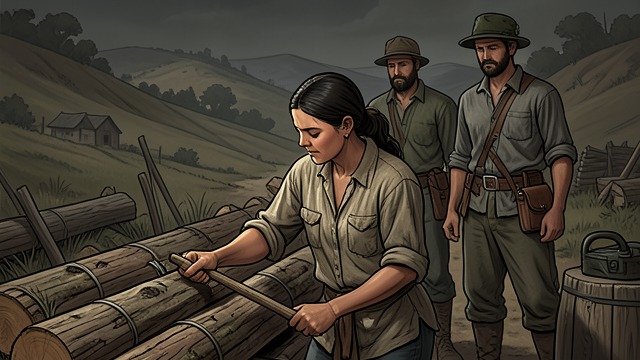
Women in the Camps
Camp Labor and Protection
Angélique marks logs among rough workers, protected by her brothers and armed with her own authority.
A Wider Workforce
The scene suggests women’s competence in timber work despite the trade’s masculine rules.
Bren’s Family Vision
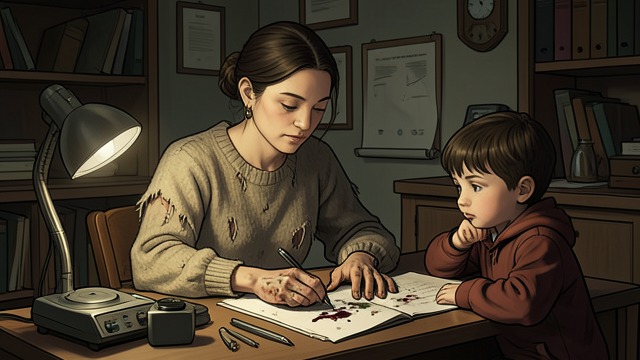
Bren’s Family Vision
Education as Liberation
Bren works nights to fund her daughters’ education and insists they know their Mi’kmaw heritage.
Different Paths
Sapatisia pursues ecological work; Marie chooses forestry machinery, showing two forms of agency.
Jeanne’s Initiative
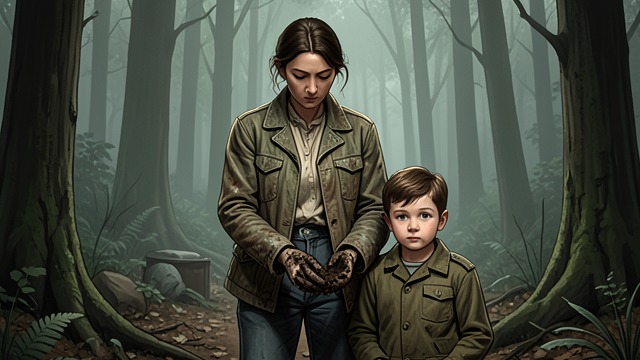
Jeanne’s Initiative
Seeking Knowledge
Jeanne pursues Sapatisia despite repeated refusals, asking questions about medicine, forests, and work.
Joining the Field Team
She gains a fellowship and begins practical restoration, turning curiosity into responsibility.
During the early New France household years
After René’s death
During the logging generations
After Egga and Bren raise their daughters
Near the novel’s end
