
The Cost of the Company’s Growth
BarkskinsThis flow traces how the company’s expansion creates wealth while repeatedly transferring risk and loss to workers, communities, and forests.
increasing Bearing strength in each event
 decreasing
Bearing strength in each eventdecreasingA Profitable Clearing
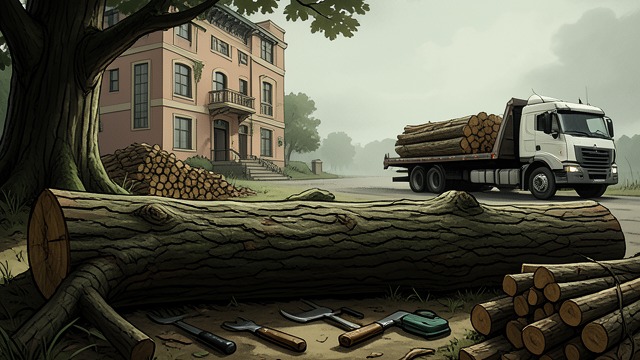
A Profitable Clearing
Markets Reward Cutting
Timber sales, shipbuilding, and naval contracts reward companies for turning standing forests into commodities.
Costs Hidden From Buyers
The financial accounts rarely include destroyed habitat, lost food sources, or displaced communities.
Workers Bear the Risk
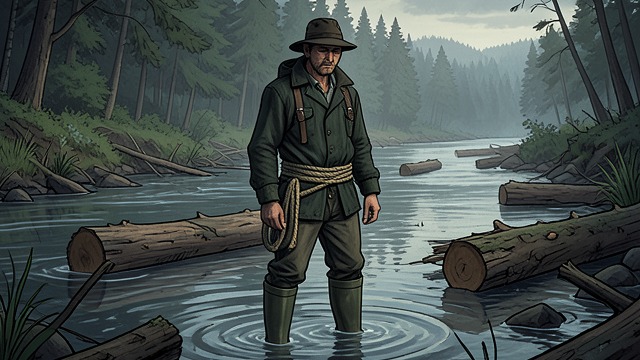
Workers Bear the Risk
Dangerous Delivery
River drivers navigate rolling logs, cold water, and jams to get timber to mills and markets.
Unequal Exposure
Indigenous workers are especially assigned to the most dangerous river jobs because employers consider them naturally suited to the work.
The Land Is Burned
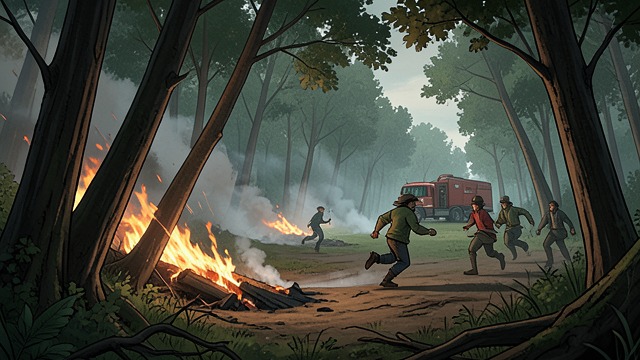
The Land Is Burned
Fire Clears the Way
Settlers and timber operators use fire to clear land and dispose of waste, sometimes losing control of the flames.
Catastrophe Spreads
Major fires destroy forests, homes, and camps, while the industry resumes cutting as soon as it can.
The Market Expands
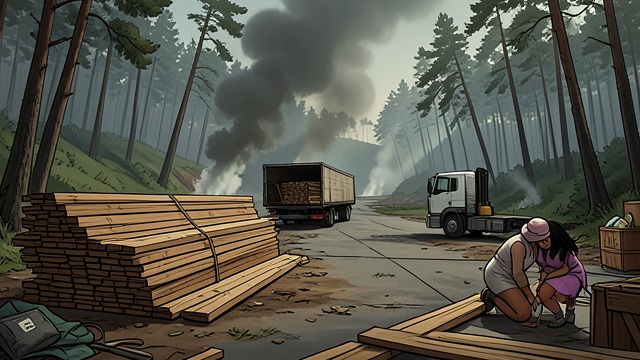
The Market Expands
New Uses for Wood
Railroads, housing, pulp, and paper create new outlets for trees previously treated as waste.
Extraction Deepens
Each technological or market innovation provides another reason to cut more forest rather than slow production.
Repair After the Cut
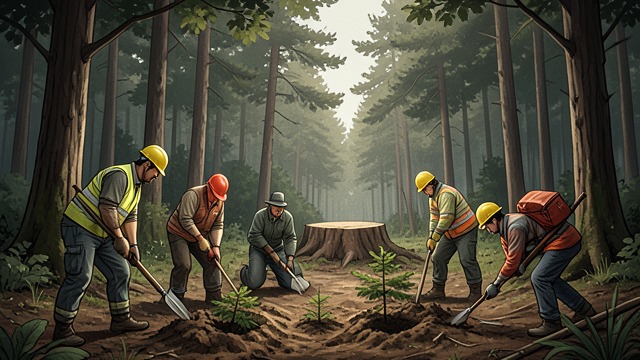
Repair After the Cut
Restoration as Labor
The tree project hires people to replant degraded sites and monitor the effects of earlier damage.
Responsibility Reframed
The labor that once removed forests is partly redirected toward restoring them, without erasing the original losses.
During the first generations of timber expansion
During the river-driving generations
During the expansion into western timberlands
After the Civil War and into industrial growth
Near the novel’s ending
