
A Legacy of Violence
BarkskinsThis flow traces how violence recurs across the novel, shifting from colonial coercion to labor accidents, family abuse, and institutional harm.
increasing Bearing strength in each event
 decreasing
Bearing strength in each eventdecreasingCoercion in the Household

Coercion in the Household
A Power Imbalance
Claude Trépagny abuses his authority over Mari and later forces a marriage between her and René.
Violence Normalized
Other men treat the coercion as a practical arrangement rather than a violation of Mari’s choice.
Violence Over Property
Violence Over Property
A Boy Injured
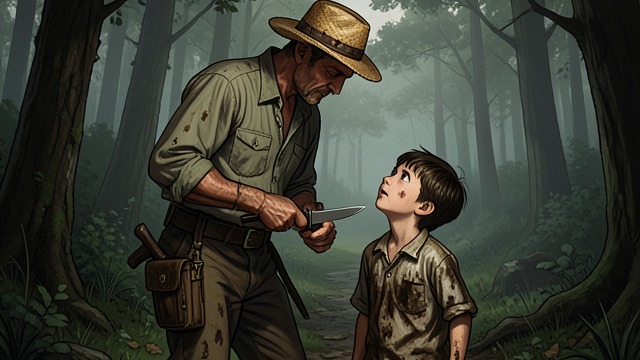
Duquet attacks a boy working on land he claims, using threats to extract information.
A Crime Concealed
He kills the boy and buries him, setting a chain of vengeance in motion.
Violence in the Camps
Violence in the Camps
Accidents as Routine
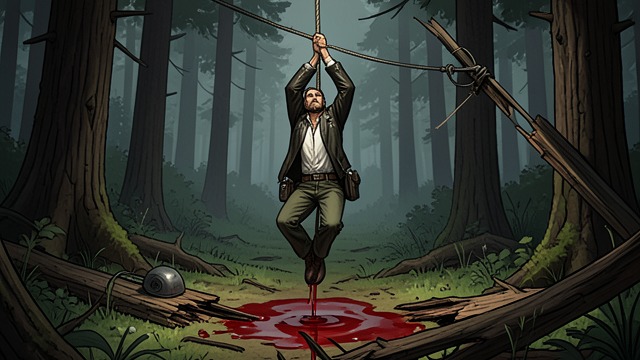
Cable snaps, falling timber, and unsafe machinery maim or kill workers in forests and mills.
Labor’s Disposable Status
Bosses replace injured men quickly, while family members bear the grief and economic consequences.
School Violence
School Violence
Institutional Abuse
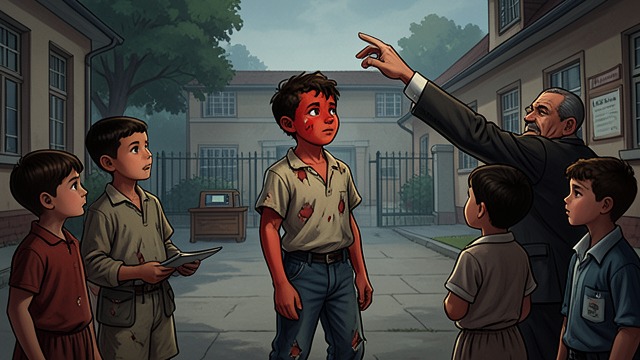
Egga and Johnny Stick face physical punishment, sexual abuse, forced labor, and humiliation at school.
A Family’s Trust Betrayed
Parents who hoped education would protect their children learn too late that the institution has harmed them.
The Activists Targeted
The Activists Targeted
Evidence of Destruction
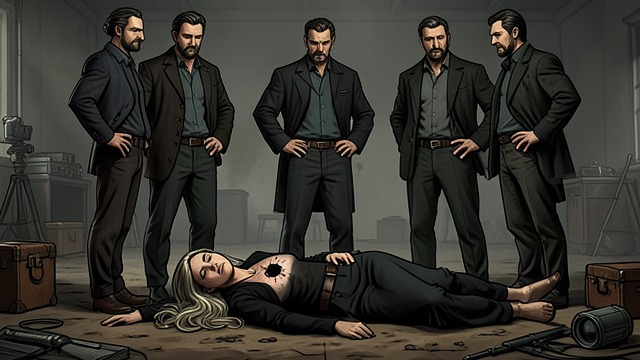
Sapatisia and Mayara document illegal cutting in a protected area, bringing outside attention to the operation.
Retaliation
Gunmen kill Mayara, warning that opposition to profitable forest destruction can be deadly.
During Mari’s employment by Trépagny
During Duquet’s Maine operations
During the age of mechanized logging
During Egga’s residential-school years
During Sapatisia’s work against illegal logging
