
The Return of Fear
Batman the Dark Knight Returns 10th Anniversary Edition HardcoverThis flow traces fear as a social force that changes owners across the story.
increasing Bearing strength in each event
 decreasing
Bearing strength in each eventdecreasingFearless Criminality
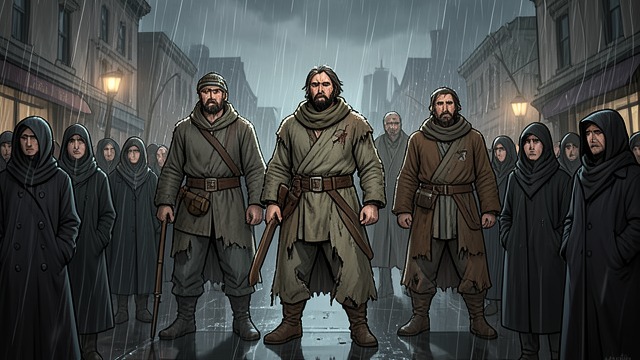
Fearless Criminality
Criminals in Gotham City act with confidence while public fear becomes ordinary.
Reversed Deterrence
The absence of Batman weakens the emotional force of consequence.
Social Conditioning
Citizens learn to endure danger rather than expect protection.
Mutant Terror
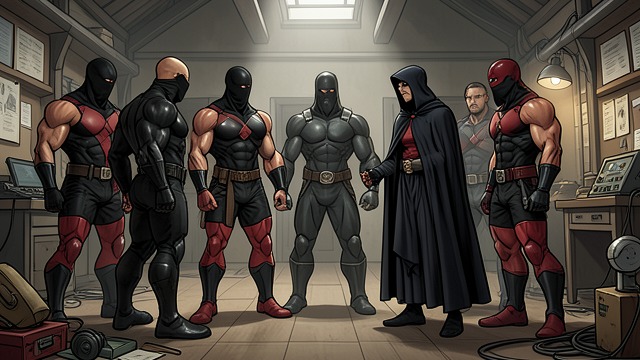
Mutant Terror
The Mutant Gang monopolizes fear through visible strength and collective intimidation.
Public Submission
Its power depends on making resistance seem foolish.
Target for Reversal
Batman must defeat not only the gang but the belief that it cannot be challenged.
Fear Reclaimed
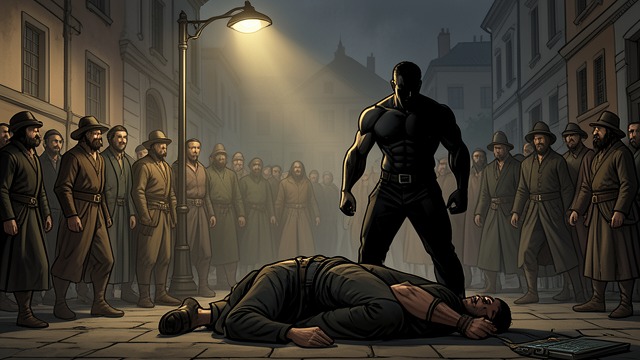
Fear Reclaimed
Batman’s victory transfers fear from citizens back to the Mutant Gang.
Symbolic Reversal
The gang’s image collapses once its leader can be beaten.
Political Opening
Fear becomes useful only when it creates space for civic action rather than submission.
Joker’s Terror
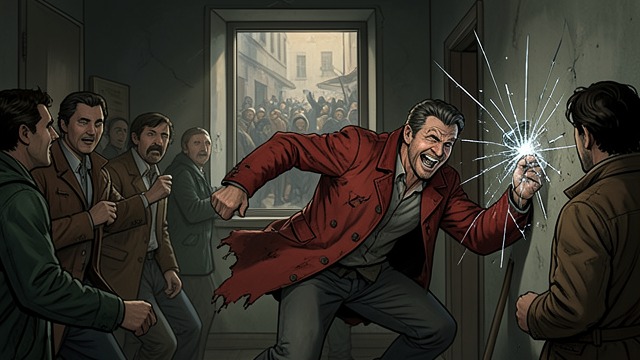
Joker’s Terror
The Joker uses unpredictable violence to make fear intimate and contagious.
No Safe Distance
Unlike the Mutant Gang’s territorial power, his threat reaches through media and memory.
Batman’s Counterdiscipline
Batman answers randomness with pursuit, planning, and protection.
Fear Distributed
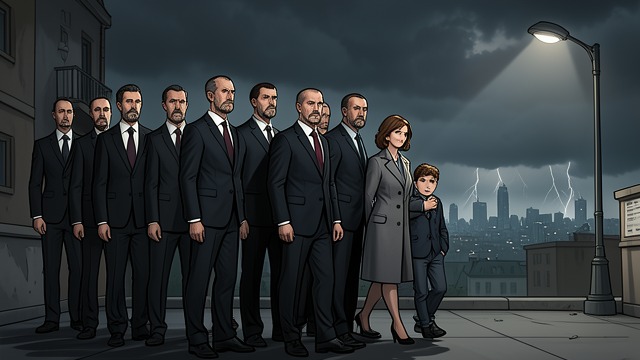
Fear Distributed
After Batman’s Staged Death, fear no longer belongs exclusively to one masked figure.
Collective Courage
The Sons of Batman and Gotham City’s citizens share responsibility for resisting violence.
New Risk
Distributed fear can become distributed tyranny unless guided by Batman’s restraint.
before Batman’s Return
during the Mutant Gang Uprising
after Batman’s sewer victory
during Joker’s Escape and Massacre
near the ending
