
Gotham’s Class Divide
Batman the Dark Knight Returns 10th Anniversary Edition HardcoverThis flow traces how privilege, poverty, and public violence shape the moral geography of Gotham City.
increasing Bearing strength in each event
 decreasing
Bearing strength in each eventdecreasingProtected Wealth
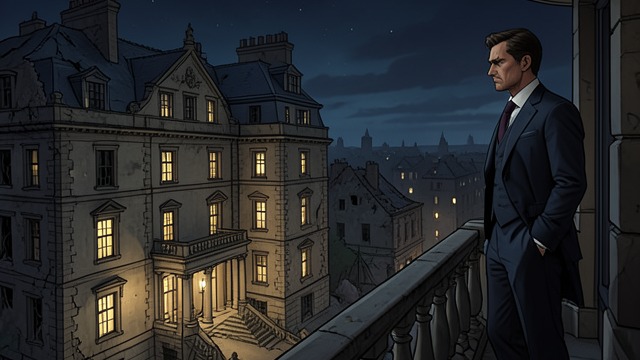
Protected Wealth
Bruce Wayne’s life in Wayne Manor contrasts with the insecurity experienced across Gotham City.
Unequal Exposure
Privilege allows him to observe decay from a protected distance.
Contradictory Inheritance
His wealth is both the source of insulation and the resource that makes intervention possible.
Street Vulnerability
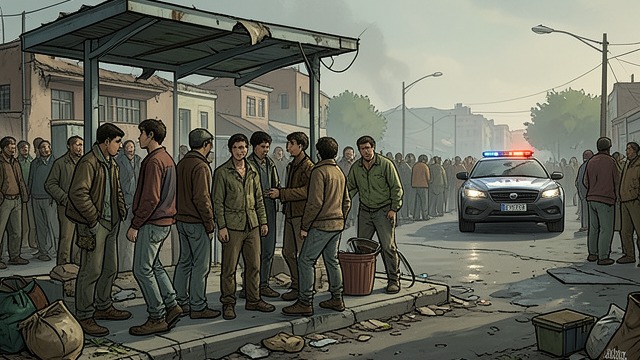
Street Vulnerability
The Mutant Gang preys on neighborhoods where public protection has already weakened.
Abandoned Citizens
Violence flourishes where institutions are experienced as absent.
Class Consequence
Batman’s return exposes not only criminality but the unequal distribution of safety.
Elite Spectatorship
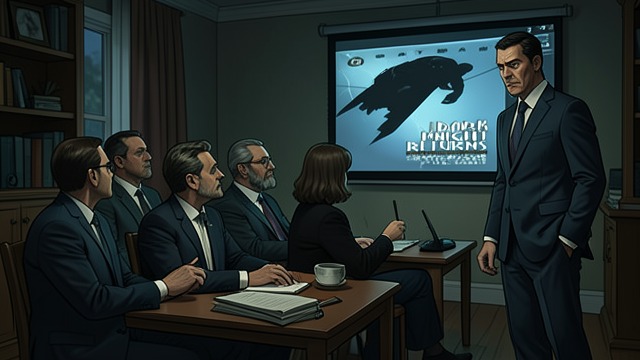
Elite Spectatorship
Public commentators discuss Batman from positions insulated from the streets he patrols.
Abstract Judgment
They turn lived danger into a debate over psychology and legality.
Divided Experience
The contrast between commentary and exposure reveals how class shapes moral certainty.
Mass Disorder
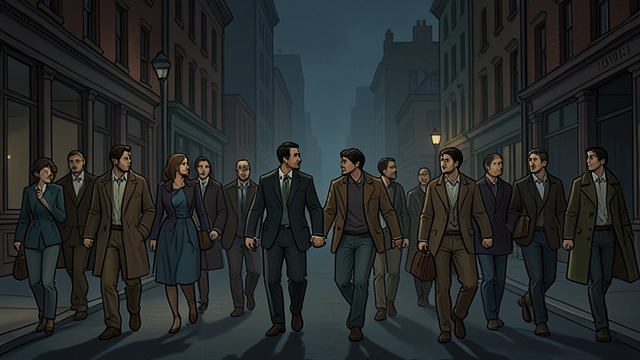
Mass Disorder
The blackout temporarily erases the distinctions that allowed wealthier citizens to imagine themselves secure.
Shared Vulnerability
Darkness and scarcity make the city’s underlying interdependence visible.
Reversal
Survival depends less on status than on cooperation and local courage.
Collective Rebuilding
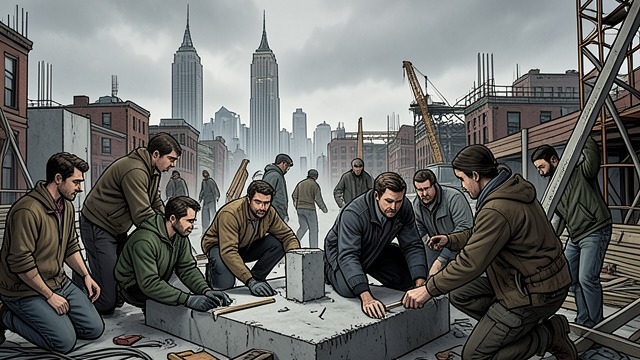
Collective Rebuilding
Gotham City’s recovery begins to redistribute responsibility across citizens rather than leaving protection to elites.
Public Agency
Ordinary people become participants in order.
Unfinished Equality
The new arrangement does not erase class difference, but it challenges the assumption that only powerful individuals can act.
before Batman’s Return
during the Mutant Gang Uprising
during televised debates about Batman
during the Gotham City blackout
near the ending
