Batman’s Return
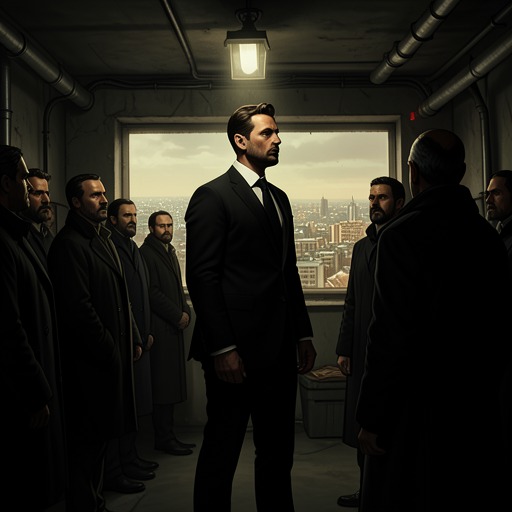
Batman the Dark Knight Returns 10th Anniversary Edition HardcoverBatman’s Return marks the moment when Bruce Wayne stops treating his former life as a closed chapter and resumes the identity of Batman. His return is significant not simply because an aging hero puts on the Batsuit again, but because a retired individual converts personal memory, bodily risk, and unresolved responsibility into renewed public action. The event reopens Bruce Wayne’s relationship with Gotham City, Alfred Pennyworth, James Gordon, Carrie Kelley / Robin, and the forces that have allowed the city to deteriorate.
Causes and Background
Bruce Wayne’s return grows out of a prolonged retirement rather than a sudden change of vocation. The introductory material presents him as a man who has withdrawn from Batman’s life while Gotham City remains marked by fear, disorder, and social decay. Retirement gives him physical distance from crime but not psychological release: the identity he suppressed continues to shape how he sees the city and himself. The dormant role therefore functions less like a discarded profession than an unresolved obligation.
The return is also driven by the contrast between Bruce Wayne’s private condition and Gotham City’s public crisis. A city that once depended on Batman has become vulnerable to escalating violence, including the threat posed by the Mutant Gang. Bruce’s aging body makes the decision more dangerous than it would have been in his prime, but age also sharpens the conflict between self-preservation and identity. The evidence frames his reawakening as a confrontation with the limits of retirement: remaining inactive may protect Bruce Wayne from immediate injury, yet it leaves the conditions that produced Batman’s mission untouched.
The Decision to Reenter Gotham
The core opening sequence follows Bruce Wayne as the pressure of Gotham City’s worsening violence overcomes the stability of his retired life. He returns to action by recovering the practical and symbolic instruments of Batman’s identity, including the Batsuit and the Batmobile. These objects do more than equip him for combat. They restore a continuity between the older Bruce Wayne and the figure who once organized his life around the protection of Gotham City.
The decision is consequently both physical and psychological. Bruce Wayne must accept that his body is no longer an unquestioned weapon, while also recognizing that the Batman identity remains capable of imposing meaning on his experience. His first renewed interventions demonstrate that the return is not a nostalgic performance. He enters danger, confronts criminals directly, and tests whether the methods and authority associated with Batman can still operate in a changed city.
First Consequences and Escalation
Once Batman reappears, his presence immediately alters the behavior of Gotham City’s criminals and institutions. The return challenges the assumption that Batman’s retirement has permanently removed him from the city’s moral and tactical landscape. It also creates a new public problem for the Gotham City Police Department and for officials who must respond to vigilantism that is now attached to a familiar but officially absent figure.
The event develops through successive crises rather than ending with Batman’s first appearance. Batman confronts the Mutant Gang, and the conflict establishes that his return will involve organized resistance rather than isolated crime fighting. The struggle with the Mutant Leader becomes a defining test of the restored identity: Batman’s authority is no longer secured by youth or institutional approval, but by persistence, tactical intelligence, and the ability to turn a seemingly obsolete symbol into an active force.
Carrie Kelley / Robin becomes part of the return’s wider consequence. Batman’s reappearance inspires a younger person to enter the same symbolic world, transforming his revival from a solitary act into the beginning of a new partnership and a possible generational succession. The relationship gives the event an important counterpoint: Bruce Wayne returns because he cannot remain detached from Gotham City, while Carrie Kelley / Robin approaches the role as an emerging identity rather than a recovered one.
From Personal Revival to Public Order
Batman’s Return eventually exceeds the scale of Bruce Wayne’s private decision. During Gotham City’s crises, Batman organizes Gotham’s citizens to restore order, showing that his influence can mobilize collective action even though he is not the city’s elected or formally authorized leader. The event therefore shifts from personal resurrection to political intervention. Batman’s symbol becomes a means through which frightened or disorganized residents recognize a common purpose.
That mobilizing power carries an inherent tension. Batman’s methods oppose criminal domination, yet the restoration of order depends on force, discipline, and personal command. Later developments involving the Sons of Batman taking over Gotham reveal how a symbol intended to defend the city can be inherited and transformed by followers. The return thus creates both a protective network and the conditions for a contested new authority.
Meaning Within the Larger Story
Batman’s Return establishes the central paradox of the narrative: Bruce Wayne’s withdrawal has not ended Batman, and Batman’s revival cannot restore the past unchanged. The older hero reenters a city shaped by new forms of violence, altered institutions, and a population forced to decide whether order will come from official power or from a feared private symbol.
The event also prepares the later confrontation between Batman and Clark Kent / Superman. By reclaiming Batman, Bruce Wayne returns to a public role that places him in conflict not only with criminals but with competing ideas of lawful authority, state power, and heroic responsibility. His revival eventually culminates in the staged death through which Batman evades the consequences of his public identity and preserves his mission in another form. The return is therefore both a beginning and a transformation: it restores the Dark Knight to Gotham City while making clear that the old identity can survive only by adapting to age, political opposition, and the possibility of succession.