
Care, Consequence, and Accountability
Beautiful Boy: A Father's Journey Through His Son's AddictionThis conflict thread traces the family’s effort to combine compassion for Nic Sheff’s illness with accountability for the harm his actions cause.
increasing Bearing strength in each event
 decreasing
Bearing strength in each eventdecreasingThe First Family Rules
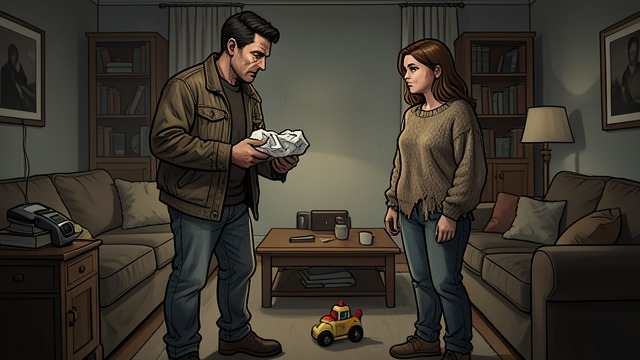
Rules Are Tested
A household boundary
David and Karen ground Nic after finding marijuana and explain that using drugs violates their household rules. They hope the consequence will show that the breach matters without turning the response into punishment without purpose.
Nic agrees with the decision and promises not to repeat the behavior. His apparent acceptance briefly restores the parents’ confidence in their ability to guide him.
A boundary is not a cure
The later continuation of drug use shows that a household rule cannot treat addiction. The parents must learn that enforcing limits and changing Nic’s underlying behavior are separate tasks.
Driving Privileges Revoked
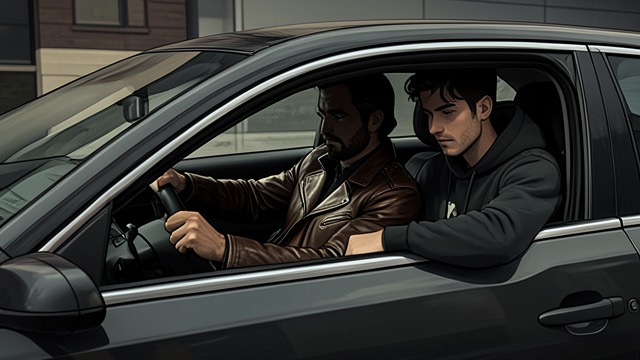
Freedom Meets Consequence
Rules follow repeated problems
After missed curfews and car damage, David and Karen restrict Nic’s access to the family car. Nic later asks to use it for meetings and initially demonstrates punctuality and apparent responsibility.
When he returns hours late and appears to be using, David revokes the privilege. The disagreement centers on whether trust can be restored through a promise and how quickly it can be withdrawn after a breach.
Safety remains uncertain
The car rule can limit one form of risk but cannot control Nic’s choices elsewhere. The parents keep trying to use ordinary consequences against a problem that is no longer ordinary.
The Cost of the Bailout
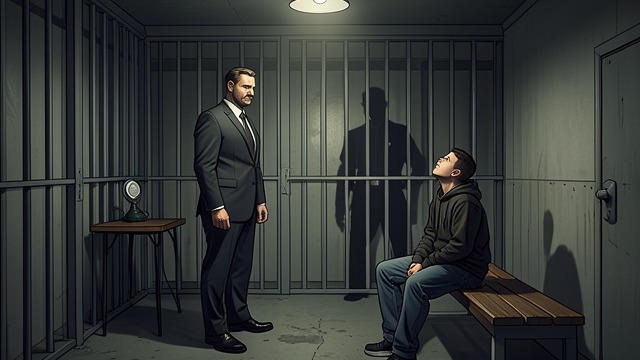
Protection Has Consequences
A father pays
David bails Nic out after the arrest, believing he is protecting his son from the immediate consequences of a missed court appearance. He tells himself this will be the only time.
Later, David questions whether the bailout helped Nic avoid a consequence that might have made the danger clearer. He also knows that leaving a young addict in jail or on the street carries real risks.
Accountability is complicated
The episode refuses an easy rule that all help is enabling or all punishment is useful. David must make decisions with incomplete information and accept that he may be wrong.
A Conditional Offer

Money Becomes a Boundary
Refusing cash
David tells Nic he will help him return to treatment but will not fund life on the streets or pay ongoing costs while he is using. Vicki and other relatives face similar requests and struggle with the same choice.
The refusal feels cruel because the family knows Nic is vulnerable. It also reflects the fear that cash could sustain drug use rather than relieve danger.
Care with a condition
The family tries to offer help directed toward recovery without removing every consequence. This boundary cannot make Nic accept treatment, but it clarifies what they are willing to support.
The Family’s Treatment Line

Support Linked to Care
A stated position
After repeated crises, David and Vicki decide that financial support will be linked to Nic entering treatment. Their approach follows advice from experts but remains a family decision under pressure.
They know the line may have to be revised and cannot guarantee Nic will stay in care. The boundary is meant to protect the family while still creating a route toward help.
Love and accountability coexist
The family refuses to equate compassion with unlimited rescue. Their final position holds Nic responsible for recovery work while continuing to offer support when he accepts treatment.
After Nic Sheff’s first marijuana discovery
During Nic Sheff’s late adolescence
After Nic Sheff’s arrest
After Nic Sheff asks his family for money during relapse
Near Nic Sheff’s final treatment decision
