
The Family Learns Its Limits
Beautiful Boy: A Father's Journey Through His Son's AddictionThis thread follows the Sheff family’s movement from trying to manage Nic Sheff’s addiction to recognizing what support, boundaries, and self-care can—and cannot—accomplish.
increasing Bearing strength in each event
 decreasing
Bearing strength in each eventdecreasingTrying Every Kind of Help
Seeking the Right Answer
Conflicting advice
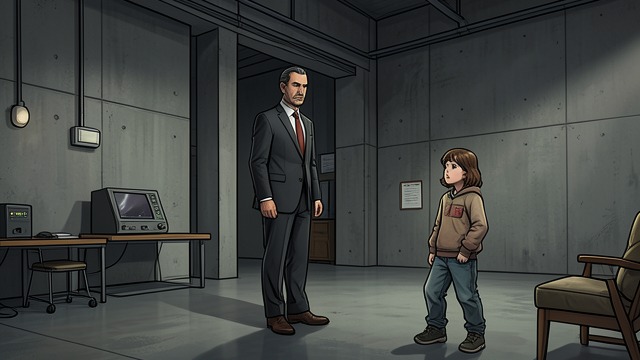
David consults therapists, school staff, counselors, and rehabilitation programs. Recommendations conflict: keep Nic close, make him leave, allow time, or impose treatment.
Each decision feels consequential because the family fears that the wrong response could cost Nic his life. Expertise offers information but no reliable map through an unpredictable illness.
The burden of choice
The repeated search for certainty becomes part of the family’s suffering. David gradually learns that diligent research cannot produce control over another person’s recovery.
The Three Cs
Naming the Limits
A framework for relatives
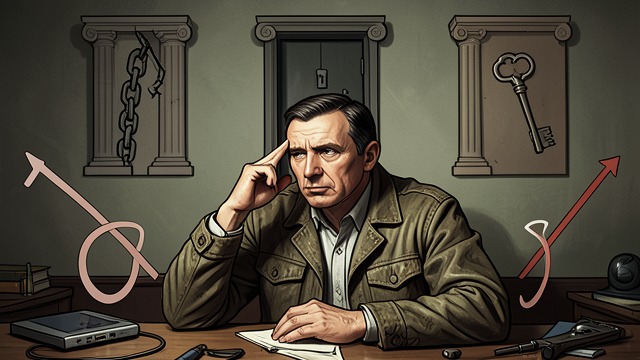
At counseling and Al-Anon, David hears that families did not cause addiction, cannot control it, and cannot cure it. The formula challenges his belief that better parenting might have prevented every crisis.
He understands the words intellectually but continues to blame himself. His history, the divorce, and his choices remain part of his private accounting of responsibility.
Acceptance begins slowly
The Three Cs do not remove love or concern. They offer a boundary around what a parent can realistically do, a boundary David takes years to accept emotionally.
The Whole Family Is Affected

Addiction’s Wider Reach
Attention shifts to the addict
A counselor describes how one family member’s addiction can absorb a household’s attention and make everyone else’s moods depend on the addict’s condition. David recognizes his own preoccupation in the account.
Jasper and Daisy live with uncertainty and unspoken fear, while Karen feels the pressure on the marriage. Their needs can be sidelined even when the family’s attention is motivated by love.
Care must include everyone
The family’s recovery requires more than securing treatment for Nic. It also means tending to the children, marriage, and the adults’ own health.
Therapy for the Children
The Household Names Its Fear
Panic becomes visible
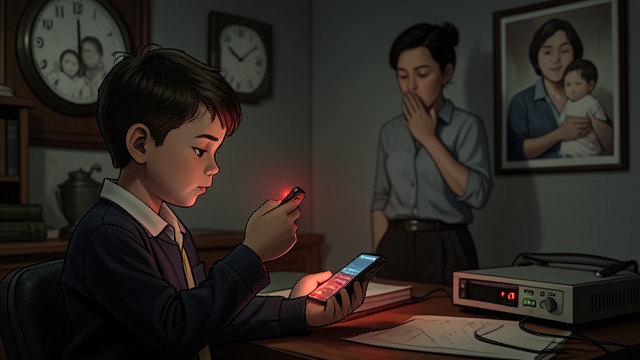
In family therapy, Jasper and Daisy learn that a brother can be loved and feared at once. The therapist connects their distress to the phone’s constant ring and the family’s history of sudden crises.
David sees that adult attempts to protect the children through silence have not removed their anxiety. They have been living with the tension even when nobody explains it.
A practical boundary
The family considers turning off the phone ringer at certain times and arranging regular calls with Nic. Small limits become ways to make home safer for everyone, not signs of giving up on him.
A Relationship with Boundaries
Supporting Without Taking Over
David changes direction
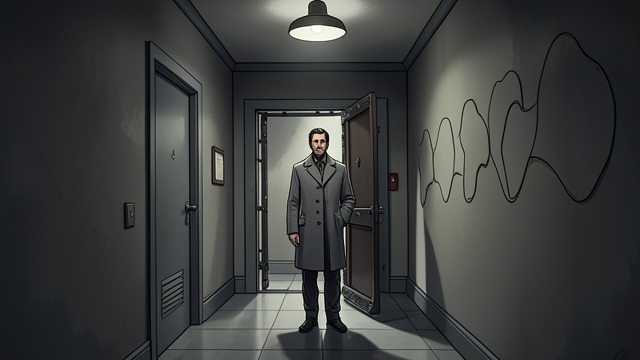
David increases his own therapy and learns to focus on his recovery rather than organizing every part of Nic’s. He recognizes how his worry has damaged his present relationships and narrowed his life.
He accepts that Nic may choose treatment or refuse it, and that the outcome will not be determined solely by a parent’s effort. This is painful because it challenges the most familiar form of parental care: rescue.
Love remains a given
David wants an independent relationship shaped by compassion and limits. He still hopes Nic will stay sober, but no longer treats his own control as the condition for his son’s survival.
During Nic Sheff’s early treatment years
During David and Karen’s first Al-Anon meetings
During the family education sessions at St. Helena
After Nic’s relapse and return to treatment
After Nic’s Santa Fe treatment
