
The Role of Randy
Beautiful Boy: A Father's Journey Through His Son's AddictionThis subplot follows Randy’s practical and emotional support as Nic Sheff’s sponsor, especially during sobriety, relapse, and renewed recovery.
increasing Bearing strength in each event
 decreasing
Bearing strength in each eventdecreasingA Sponsor for Home
Support Beyond Family
A recovery relationship begins
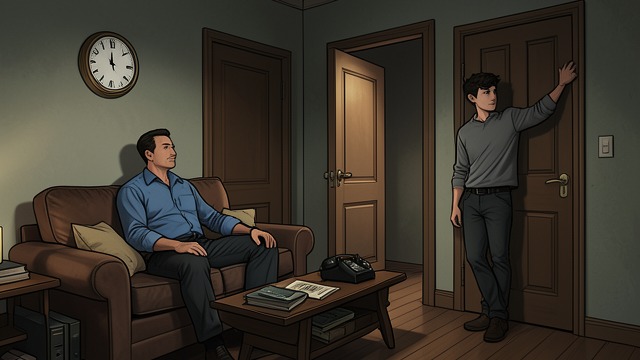
Nic asks someone he meets at an Alcoholics Anonymous meeting to sponsor him while he is home. The choice suggests that Nic is taking recovery practices seriously, at least during this period.
David sees Nic attend meetings and keep appointments, and initially interprets his conduct as evidence that the recovery plan is working.
A fragile structure
A sponsor offers guidance but cannot supervise every decision. The relationship’s importance becomes clearer as Nic later needs a dependable support system beyond family pressure.
Randy’s Steady Presence

Recovery in Motion
Shared routines
Randy becomes a close sponsor and friend, taking Nic on long bicycle rides and helping him sustain a recovery routine. His many years of sobriety give Nic an example of a life that can remain meaningful without drugs.
Nic describes Randy as an inspiration. Their companionship combines practical activity with the emotional support of someone who understands recovery from experience.
A daily alternative
The rides do not erase cravings or guarantee abstinence. They do give Nic an immediate, constructive way to meet difficult days and stay connected to a person who will answer.
The Relapse Call
A Lifeline Reopens
Concern from afar
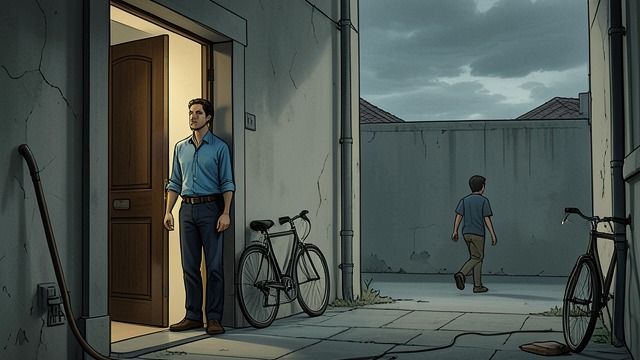
Randy continues to try to reach Nic when the young man disappears. He tells David that Nic is unlikely to stay away indefinitely and that he is not having a good time.
David hopes Randy is right but cannot take reassurance as proof. Nic’s absence leaves both men waiting for a call that may or may not come.
Support becomes action
When Nic later admits he is in trouble, Randy encourages him to return to Los Angeles. His response gives Nic a concrete destination and relationship to move toward.
A Ride After Relapse

Movement Through Despair
Getting out of bed
After Nic relapses, Randy gets him onto a bicycle despite his feeling that he cannot manage even a short ride. The remembered movement of his body and the wind help him continue along the coast.
The ride does not solve the emotional consequences of relapse. It offers a lived experience of action when Nic feels overwhelmed by shame and hopelessness.
Rebuilding routine
Nic returns to meetings and begins working the steps again with Randy. Their renewed work demonstrates how recovery after relapse often depends on repeated, ordinary commitments.
A Trustworthy Contact
Support Without Control
A role with limits
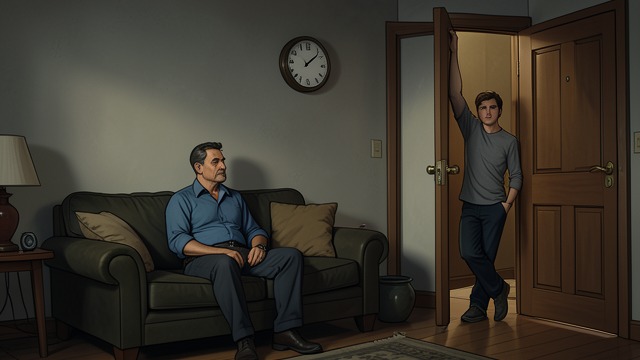
Randy remains one of Nic’s closest recovery connections, but he cannot guarantee Nic’s choices. His value lies in steady contact, truthful advice, and a relationship Nic can choose to use.
David learns that support networks are not tools for controlling Nic. They are resources Nic must actively accept and sustain.
A wider idea of care
The sponsor relationship helps shift the family’s focus from one parent’s efforts to a broader recovery community. It offers connection without promising certainty.
During Nic Sheff’s first recovery period in California
After Nic Sheff moves into sober living in Los Angeles
After Nic Sheff disappears following eighteen months sober
During Nic Sheff’s return to sobriety in Los Angeles
During the book’s final family therapy and epilogue
