
Writing as Witness
Beautiful Boy: A Father's Journey Through His Son's AddictionThis subplot traces how David Sheff uses reporting and memoir to make sense of Nic Sheff’s addiction, connect with other families, and impose partial order on experience.
increasing Bearing strength in each event
 decreasing
Bearing strength in each eventdecreasingResearch as a Defense
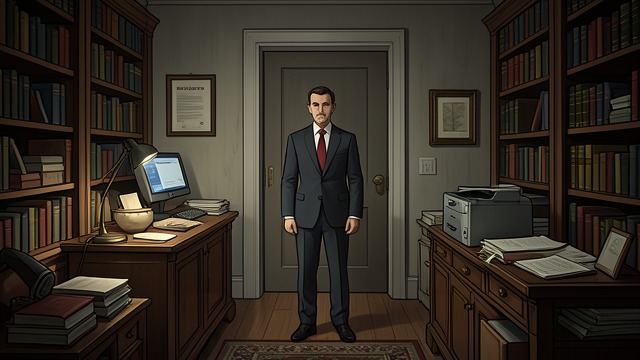
Gathering Knowledge
A writer investigates
David researches methamphetamine, addiction, and treatment with an urgency driven by fear. Learning about history, brain research, and rehabilitation gives him a way to confront an adversary he cannot physically see.
The work is more than reporting. It helps him organize experiences that otherwise arrive as disconnected crises and terrifying possibilities.
Knowledge has limits
The more David learns, the clearer the danger becomes, but information cannot rescue Nic. Research offers language and context, not control over another person’s recovery.
The New York Times Article

Making a Private Crisis Public
Telling the family story
David writes an article about his family’s experience and discusses publication with Nic and the rest of the family. He fears public judgment but believes the account may help others facing addiction.
Readers respond with stories of their own losses and struggles. Many say they feel recognized rather than isolated, while a few criticize David’s decision to write about Nic.
A shared consequence
Nic also experiences the article’s response as affirmation. People who recognize him offer support and pride in his recovery work, showing that public storytelling can affect the subject as well as the author.
Nic Writes His Own Account
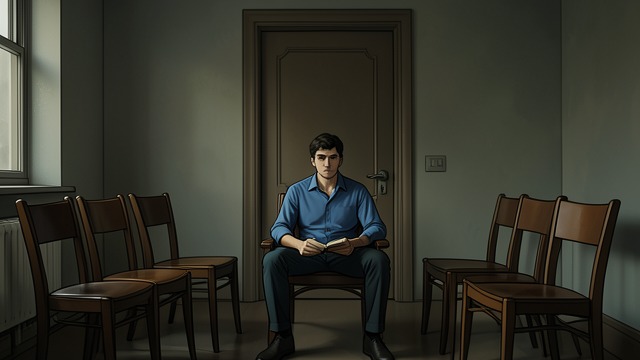
A Son Becomes an Author
An invitation to speak
A publisher asks Nic to write about his addiction. He wants to tell his own story and hopes it may encourage other young people struggling with drugs.
David recognizes that Nic’s account offers a perspective different from a father’s. Their narratives can coexist without making the experience identical for each of them.
Stories as connection
Writing creates a way to address shame and reach readers. It does not make addiction orderly, but it can give experience form and communicate that families are not alone.
Writing Through Memory
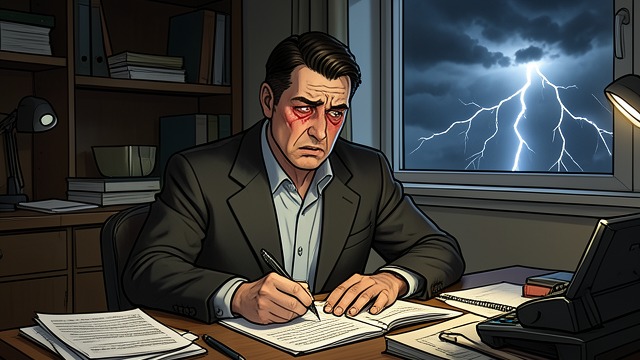
Sentences Against Chaos
Reliving the past
David writes through painful memories, experiencing the emotions of each period again. Turning fragments into sentences and chapters gives some structure to years marked by uncertainty and fear.
He also recovers scenes of humor, affection, and ordinary family life. The process refuses to reduce Nic or the family to the worst moments of addiction.
Order without a cure
Writing helps David understand himself but does not heal him or save Nic. Its value lies in witness, reflection, and the possibility of offering company to other families.
A Story Without Closure

Publication Meets Uncertainty
The ending changes
David had hoped to end the narrative with Nic’s letter to Jasper, which seemed to promise a neat resolution. Further relapse makes that ending impossible to present as final.
The book instead closes with Nic living independently and David hoping, without claiming certainty, that his son remains sober. The conclusion reflects the family’s actual position rather than a conventional recovery arc.
Witness continues
The written story can end while the lived story continues. David’s account offers neither a guaranteed redemption nor a declaration of defeat.
After Nic Sheff’s addiction becomes severe
February before the book’s later events
After the article receives public attention
While David Sheff is composing the book
In the epilogue
