
The Cost of Parental Denial
Beautiful Boy: A Father's Journey Through His Son's AddictionThis thematic thread traces how David Sheff’s protective interpretations delay recognition of the severity of Nic Sheff’s addiction, then give way to painful acknowledgment.
increasing Bearing strength in each event
 decreasing
Bearing strength in each eventdecreasingNormalizing the First Warning

An Incident Recast as a Lesson
Parents choose reassurance
After Nic admits using marijuana, David and Karen impose a consequence and talk with him. When Nic appears chastened, David concludes that the experience may have taught him something useful.
This interpretation lets the family move forward without treating the episode as proof of a larger problem. It is plausible, but it also protects the parents from confronting a frightening possibility.
Denial can be gradual
The book presents denial not as simple ignorance but as a response to evidence that remains incomplete. Each reassuring explanation makes it easier to postpone a more difficult conclusion.
The High-Achieving Exception
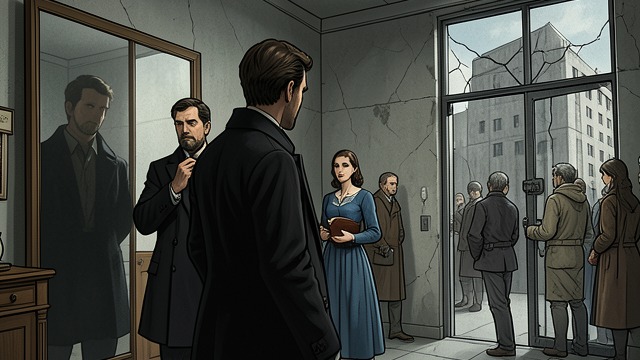
Success Masks Risk
A reassuring comparison
David tells himself Nic is not like other teenagers he associates with severe drug problems. Nic remains loving, capable, and diligent in school, so David treats the suspension as experimentation rather than escalation.
Nic’s intelligence and charm make the family’s concern harder to reconcile with the person they know. His apparent success becomes an argument against the danger David has reason to fear.
The exception collapses
The book challenges the assumption that addiction belongs only to visibly troubled people. A person’s accomplishments do not establish that drug use is under control.
Depression Seems Easier to Explain

A More Bearable Diagnosis
An alternative account
Nic tells David that he has been depressed and unready for college. David finds the explanation plausible and considers that drugs may be masking deeper emotional problems.
Because depression feels less self-inflicted than addiction, the possibility offers David a way to understand Nic’s difficulties without facing the full force of drug dependence. The explanation may contain truth, but it is not enough to account for the situation.
Uncertainty delays clarity
The family cannot easily separate mental health problems from drug effects. David learns that a plausible explanation can still leave the central danger unresolved.
Learning the Scale of the Crisis
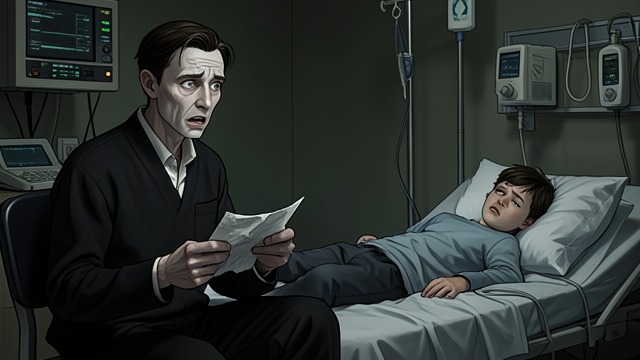
Evidence Becomes Impossible to Minimize
A changed appearance
David finds Nic severely weakened, disoriented, and afraid. Nic’s condition makes the danger visible in a way that earlier school trouble and promises did not.
Nic admits he has used meth, and David’s own memories of the drug intensify his alarm. The family can no longer describe the crisis as ordinary adolescent experimentation.
Recognition comes late
David wonders whether earlier intervention might have changed the course. He cannot know, but he recognizes that minimizing the pattern has allowed it to become more dangerous.
The End of Easy Reassurance
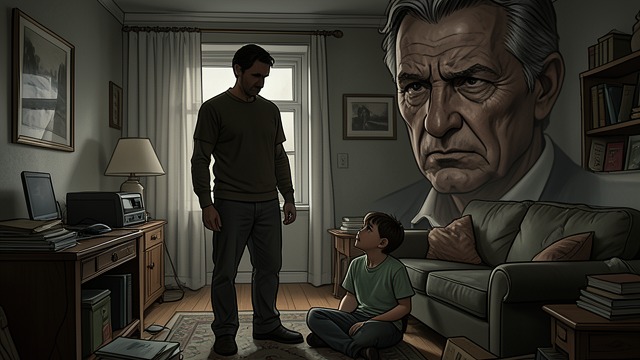
Accepting What Cannot Be Known
Beyond denial and certainty
David eventually stops treating a good period as proof that addiction is over. He also resists the opposite certainty that Nic can never recover.
The family learns to acknowledge both the severity of the illness and the possibility of meaningful change. Neither optimism nor despair is allowed to erase the evidence of the other.
A more honest stance
David’s later hope depends on facing uncertainty rather than avoiding it. Acceptance does not make the past harmless, but it allows the family to respond to the present with clearer boundaries.
After Nic Sheff first tries marijuana
After Nic Sheff is suspended from high school
After Nic Sheff leaves Berkeley
After Nic Sheff is found in San Rafael
After repeated relapses and treatment attempts
