
Addiction’s Escalating Conflict
Beautiful Boy: A Father's Journey Through His Son's AddictionThis conflict arc tracks how ordinary experimentation becomes secrecy, family confrontation, dangerous disappearance, and the recurring clash between freedom and intervention.
increasing Bearing strength in each event
 decreasing
Bearing strength in each eventdecreasingExperimentation Meets Trust
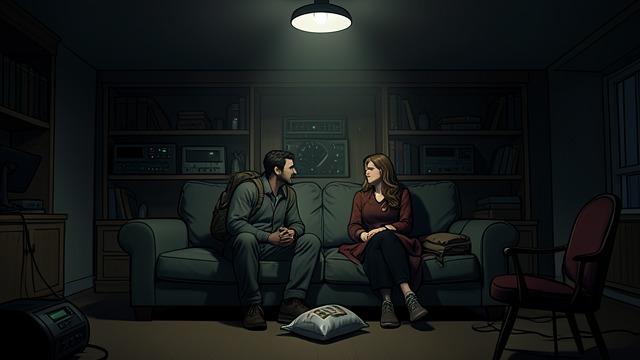
A First Breach
Evidence and admission
David finds marijuana in Nic’s backpack and confronts him with it. Nic admits he has tried it but presents the experience as ordinary and harmless.
The parents impose a grounding and try to respond without either minimizing or overreacting. Their decision comes from uncertainty: they do not know whether this is an isolated experiment or an early warning.
Trust changes shape
The incident makes David question whether he can rely on Nic’s honesty. A relationship once founded on easy openness now includes surveillance, suspicion, and fear.
School Consequences
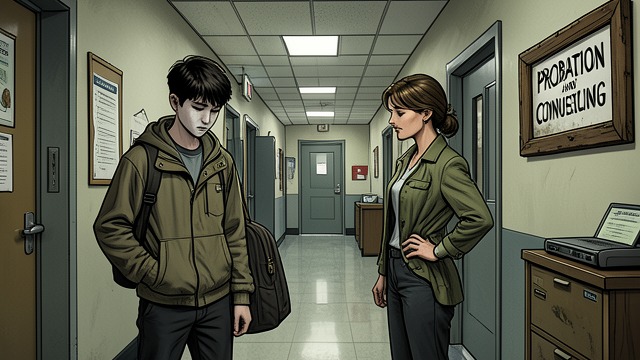
A Public Rule Violation
The school intervenes
Nic is caught buying marijuana on campus and suspended. David and Karen are shocked that the behavior has continued without their knowledge.
The school chooses probation and counseling over immediate expulsion. Its response is intended to offer Nic another chance while making clear that another violation could end his place there.
A fragile reprieve
The school’s supportive approach and Don’s mentorship create hope, but Nic’s underlying choices remain unresolved. The family’s conflict shifts from whether he has experimented to what his continuing use means.
Threats and Departure
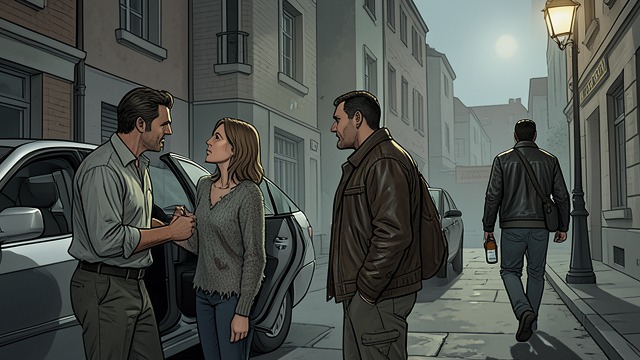
Home Becomes a Battleground
Rules lose force
Nic’s drug use becomes more evident, and he argues against curfews and consequences. He leaves home with money, food, and wine, then returns after a drug-fueled trip to Death Valley.
David tries threats and restrictions, while Nic experiences them as control. Their arguments expose a conflict that punishment alone cannot settle.
An arrest changes nothing
Nic is arrested for failing to appear in court, but David bails him out. The father hopes the experience will be a turning point; instead, it becomes another crisis that does not end the pattern.
Rehab Versus Refusal
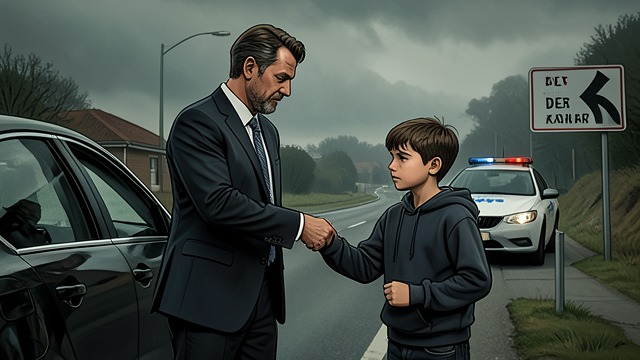
The Treatment Ultimatum
Resistance in the car
David takes Nic to assessment and then seeks immediate treatment. Nic is angry, says he does not need rehabilitation, and insists he has learned his lesson.
Clinicians tell David that Nic is in serious danger and needs treatment. Their assessment challenges the father’s remaining hope that a single episode can be managed at home.
A reluctant admission
David uses the possibility of losing family support to bring Nic into care. The decision is painful, and Nic experiences it as coercion, but the alternative appears to David to be continued danger.
A Crisis Forces Another Choice
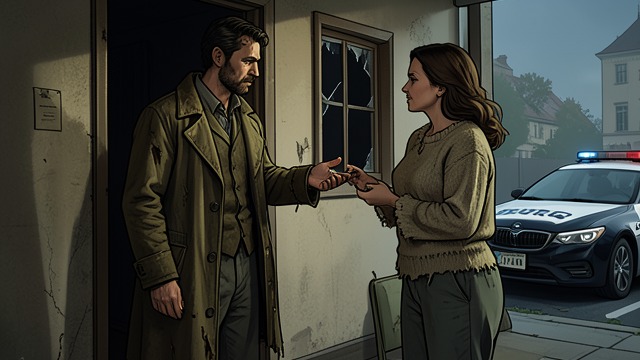
From Break-In to Treatment
Escalation at home
During a relapse, Nic breaks into Vicki’s home to steal and becomes confused and agitated. She offers a choice between police involvement and rehabilitation.
His family has to respond to behavior that is both frightening and recognizably connected to his illness. Compassion cannot erase the need for safety and consequences.
A treatment route opens
Nic agrees to detox and then travel to a longer-term program in New Mexico. The decision is not a clean resolution, but it marks another moment when crisis makes treatment possible.
When Nic Sheff is twelve
During Nic Sheff’s freshman year
During the summer before Nic Sheff turns eighteen
After Nic Sheff’s first meth-fueled disappearance
After Nic Sheff’s relapse in Los Angeles
