
The Search for Effective Treatment
Beautiful Boy: A Father's Journey Through His Son's AddictionThis subplot traces David Sheff’s search through rehabilitation, research, and competing advice as he tries to find help suited to Nic Sheff’s methamphetamine addiction.
increasing Bearing strength in each event
 decreasing
Bearing strength in each eventdecreasingThe First Assessment

Entering the Treatment System
A desperate search
David calls programs and asks about outcomes for methamphetamine users. He finds that reported success rates vary widely and that professionals themselves question the figures.
The uncertainty is unsettling: treatment is urgently needed, but the family cannot easily distinguish reliable evidence from optimism or salesmanship.
A field without a clear map
David’s research begins to show him that addiction treatment is uneven. The family must choose among imperfect options without knowing which one fits Nic.
Thunder Road’s Warning
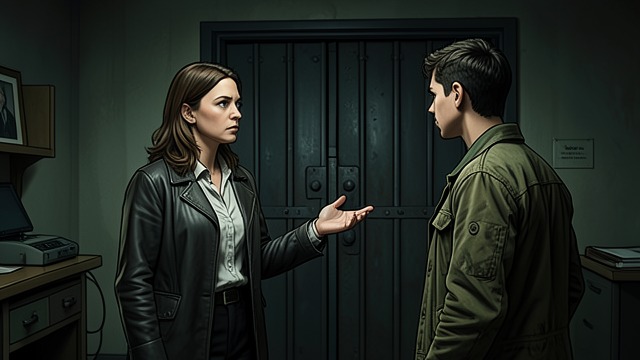
One Program Is Not Enough
A serious evaluation
At Thunder Road, a counselor tells David that Nic’s drug use is dangerous and that the program is not appropriate for his age and resistance. She urges immediate treatment elsewhere.
The assessment validates David’s fear but offers no simple solution. He leaves knowing that Nic’s condition is severe and that securing effective care will be difficult.
Urgency sharpens
The counselor’s warning changes the family’s understanding of the situation. A short-term consequence or promise cannot safely substitute for treatment.
Ohlhoff and St. Helena
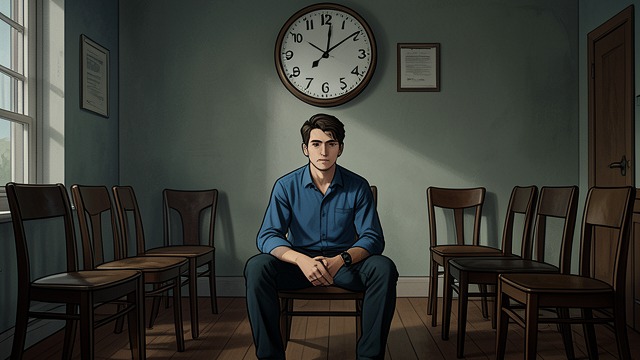
Short Programs, Partial Progress
Initial residential care
Nic enters Ohlhoff Recovery House for a twenty-eight-day program and later completes a similar program at St. Helena Hospital. He participates in meetings and family sessions and begins to recognize the extent of his addiction.
The programs provide protected periods away from drugs. Nic’s improved engagement gives David hope, but the family still lacks a clear transition plan that can protect sobriety outside treatment.
The limits of a short stay
Nic leaves care and relapses. The experience pushes David to question whether twenty-eight days can be enough for a condition that affects behavior, mood, and the brain over time.
Research Guides a Longer Plan
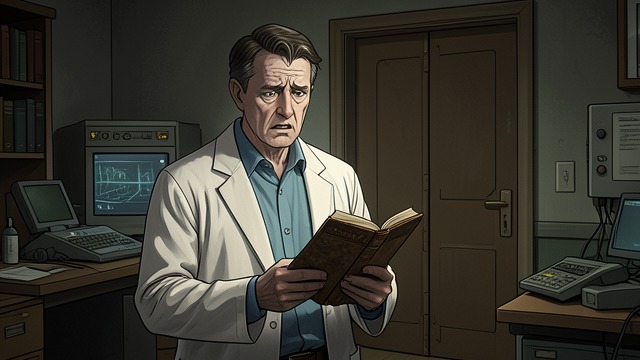
Matching Care to Meth
Expert recommendations
David consults researchers including Richard Rawson and learns that meth withdrawal can involve severe emotional and cognitive problems. Experts describe the value of long treatment, gradual transitions, monitoring, and behavioral support.
Research into cueing and contingency management gives David a more detailed framework for understanding relapse. Even so, studies do not identify a guaranteed program for Nic.
Knowledge without certainty
The research helps David ask better questions but does not remove the family’s need to make difficult decisions. Evidence guides the search; it cannot deliver a dependable prediction.
Choosing Santa Fe

Treatment by Elimination
Conflicting options
Vicki and David make calls across the country, comparing programs, prices, and approaches. Some programs are unaffordable; others seem harsh or poorly matched to Nic.
Richard Rawson describes the treatment system as a confusing mix of rumor, marketing, and incomplete evidence. The parents eventually select a program in Santa Fe despite their uncertainty.
A decision without guarantees
The choice reflects the family’s best judgment under pressure, not confidence that they have found a cure. They can arrange a place and a journey, but Nic’s continued participation remains his own responsibility.
After Nic Sheff’s first meth-fueled return home
Before Nic Sheff’s first residential admission
During Nic Sheff’s first two treatment admissions
During Nic Sheff’s later treatment years
After Nic Sheff’s detox in Los Angeles
