
The Meaning of Relapse
Beautiful Boy: A Father's Journey Through His Son's AddictionThis thematic thread follows the book’s evolving understanding of relapse as a frightening, nonlinear feature of addiction rather than proof that recovery is impossible or assured.
increasing Bearing strength in each event
 decreasing
Bearing strength in each eventdecreasingA Promising First Admission
The Hope of Containment
Four weeks of treatment
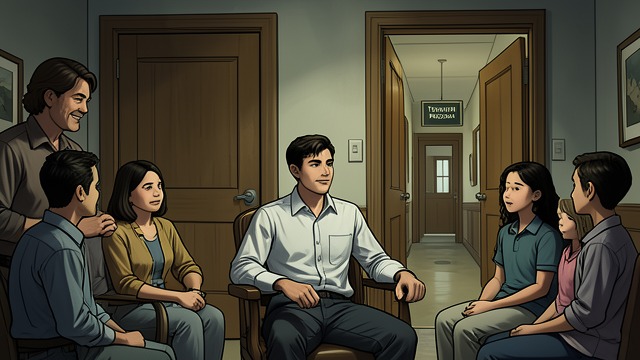
Nic enters Ohlhoff Recovery House after David insists on treatment. The family can finally imagine that a structured program may sober Nic and restore a familiar life.
Nic becomes more engaged, asks to remain in a halfway house, and later requests the chance to attend college. Each step encourages David to believe that treatment has solved the crisis.
Hope proves premature
Nic leaves the halfway house and disappears. The gap between a successful period in care and lasting recovery introduces the book’s central warning: one positive interval does not guarantee the next.
Relapse at College
Sobriety Meets a New Setting
A hopeful return to school
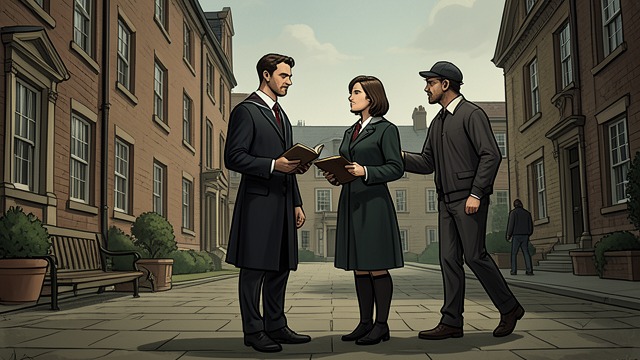
Nic enters Hampshire College after treatment, attends meetings, finds a sponsor, and speaks regularly with David. The family sees college as a chance to resume the future that addiction had interrupted.
After he stops returning calls, a friend finds him high. David considers withdrawing support, but a counselor advises patience, explaining that relapse can occur within recovery.
A difficult principle
The idea is not reassuring. It requires the family to accept that treatment can be valuable even when a person later uses again, and that repeated efforts may still matter.
Eighteen Months of Sobriety
Recovery Becomes a Daily Practice
A life with supports
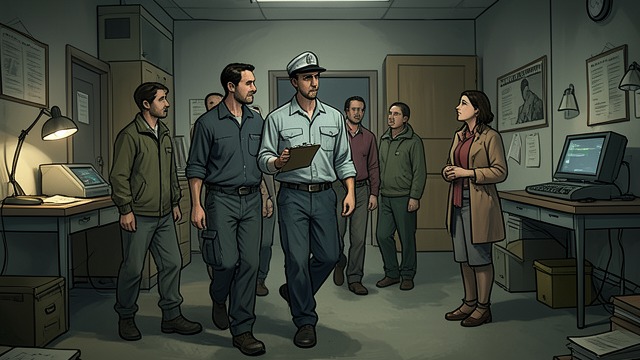
Nic works, attends meetings, rides with Randy, and helps at a treatment center. He reaches eighteen months sober and appears to have built a meaningful life beyond drugs.
His family cautiously reconnects, and David allows himself to see the possibility of lasting change. Nic’s recovery consists of repeated actions and relationships, not merely abstinence.
A relapse disrupts confidence
Nic then disappears and returns to drug use. The reversal confirms that substantial progress can be real while still vulnerable to relapse.
Treatment After Another Crisis
Returning to Care
A decision under pressure
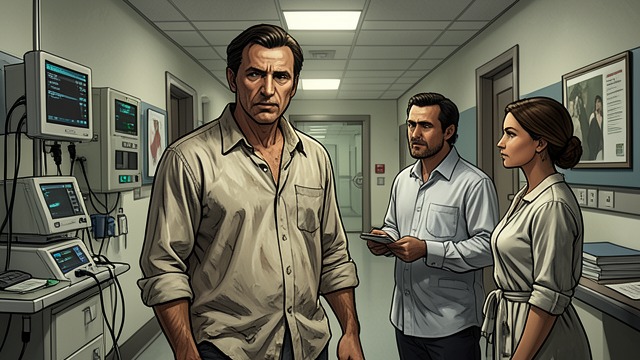
Following another relapse, Nic becomes dangerously agitated and breaks into his mother’s house. His family helps arrange detox and a place in a longer-term program.
The route itself is uncertain: a planned admission falls through, and Nic is redirected to a hospital before transfer. The family must respond quickly without knowing which program will help most.
Process, not resolution
Nic’s return to treatment is a beginning, not a cure. The book presents each admission as an interruption of harm and a renewed opportunity for sustained recovery work.
An Unfinished Ending

Hope Without Certainty
Leaving a recommended program
After three months in Santa Fe, Nic declines a further program and begins living independently. He works, writes, and keeps in touch with David, who believes Nic may be sober but cannot verify the whole of his life.
David does not frame the departure as a final victory. He accepts that Nic must direct his own recovery, while continuing to hope for him.
The story stays open
The ending resists both despair and a tidy redemption. Recovery remains possible, but the future cannot be promised by a good stretch, a treatment completion, or a father’s love.
After Nic Sheff enters Ohlhoff Recovery House
During Nic Sheff’s first semester at Hampshire College
After Nic Sheff builds a recovery life in Los Angeles
After Nic Sheff breaks into Vicki’s home
In the epilogue
