
The Image of the Broken Suitcase
Beautiful Boy: A Father's Journey Through His Son's AddictionThis symbolic thread follows the broken suitcase image from David Sheff’s confused hospital memories to his changing understanding of worry, memory, and parental attachment.
increasing Bearing strength in each event
 decreasing
Bearing strength in each eventdecreasingA Metaphor for a Divided Childhood

A Life Packed for Travel
Objects between homes
Nic moves between David and Vicki’s households with a suitcase filled with books, toys, and personal objects. The bag makes a divided childhood tangible: essential parts of his life must travel with him.
His parents’ separate homes offer care but cannot become one continuous daily world. The luggage accompanies departures that remain emotionally difficult.
An image waiting to return
The suitcase begins as a practical detail of custody. Later, its associations with memory and separation deepen as David confronts how much of Nic’s life he cannot see.
The Hospital Confusion
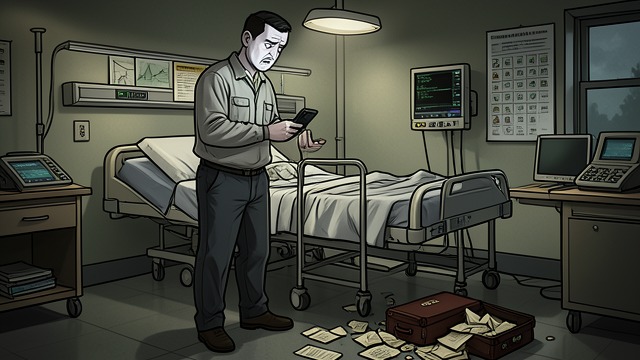
Memory Spills Out
An injured mind reaches for Nic
In the intensive care unit, David cannot reliably remember his name, the year, or Nic’s phone number. He nevertheless remains consumed by the need to contact his son.
His mind fixates on the number’s area code and constructs images of Nic running near the ocean. Memory arrives as fragments rather than a coherent account.
A broken container
David imagines a broken suitcase whose contents have spilled out. The image gives physical form to the disorientation caused by hemorrhage, medication, and fear.
The Fear Survives the Injury
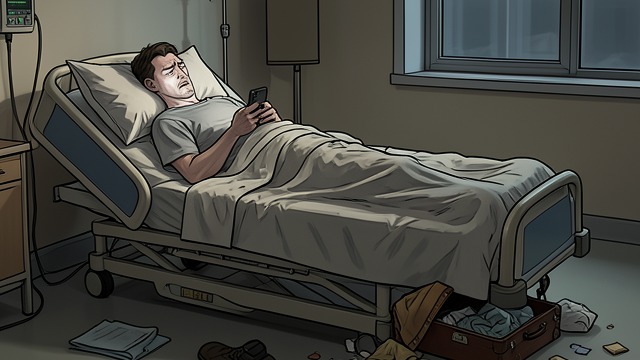
Worry Inside the Damaged Mind
The same attachment persists
Even when David cannot answer basic questions, he continues to ask for Nic’s number. The brain injury disrupts ordinary identity and memory but does not remove his parental concern.
The experience surprises him because he had wished for a way to erase the pain of worrying about Nic. Instead, the attachment remains present through his own medical crisis.
Love beyond control
David understands that his connection to Nic is deeply rooted, but that connection cannot protect either of them from harm. The hospital makes the bond undeniable and the limits of control equally clear.
The Repaired Lock
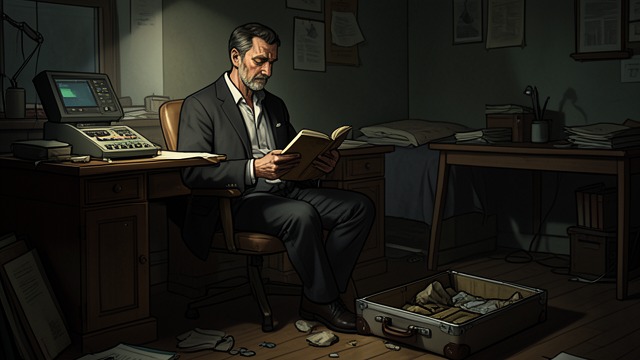
A Changed View of Memory
Returning to ordinary life
David returns home and slowly resumes reading, walking, and family routines. He reflects on having wanted to erase Nic from his mind during the worst periods of addiction.
After the hemorrhage, he no longer wishes for that erasure. He is willing to carry worry as part of remaining connected to the son he loves.
The metaphor shifts
The broken suitcase becomes not only an image of damaged memory but a container holding a life that cannot be neatly sorted. David’s recovery means living with the whole of his experience, not removing painful contents.
A Life Held in Contradictions
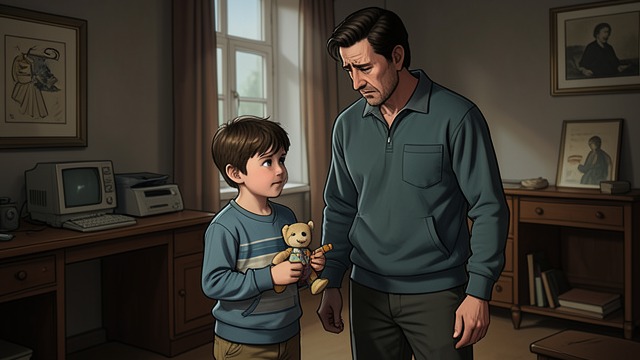
Keeping the Contents
A broader capacity
David describes emerging from crisis with greater ability to hold grief, love, fear, and beauty together. The altered perspective does not make danger disappear or provide a simple lesson.
His family’s memories include the joyful child, the addicted son, the frightened siblings, and the difficult present. None of these versions fully replaces the others.
Acceptance without erasure
David no longer seeks a spotless mind free of Nic’s pain. He accepts that love carries worry and that a life can contain contradiction without resolving it into a neat ending.
During Nic Sheff’s early custody years
During David Sheff’s subarachnoid hemorrhage
During David Sheff’s recovery in the hospital
After David Sheff returns home from the hospital
Near the book’s conclusion
