
The Parent’s Rewritten Expectations
Beautiful Boy: A Father's Journey Through His Son's AddictionThis character thread follows David Sheff’s changing hopes for Nic Sheff, from assumed conventional success to modest wishes for peace, survival, and independent recovery.
increasing Bearing strength in each event
 decreasing
Bearing strength in each eventdecreasingCollege Seems Inevitable
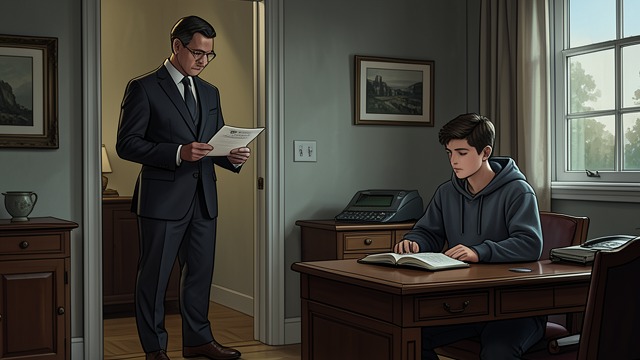
A Future Already Imagined
The expected path
David assumes Nic will attend college, find satisfying work, form a loving relationship, and perhaps have children. These hopes feel natural enough that he rarely questions them.
Nic’s academic accomplishments and college acceptance reinforce the expectation. Even as warning signs appear, David continues to imagine that Nic’s difficulties are a temporary detour.
The expectation begins to crack
The gap between the future David pictures and Nic’s behavior grows. What once seemed inevitable becomes something the family can no longer take for granted.
Accepting a Different Route
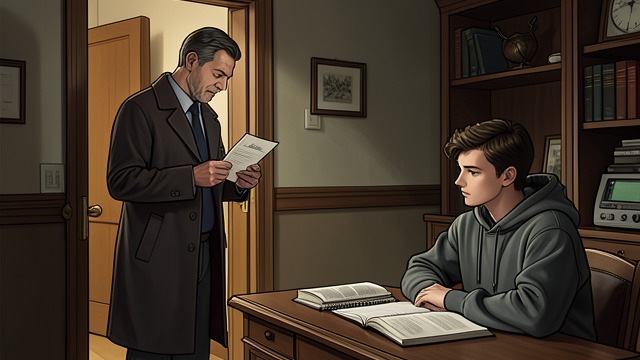
The First Revision
College is postponed
When Nic leaves Berkeley and returns home, he says he needs time to work and improve his mental and physical health. David accepts the explanation and hopes a smaller college will suit him better.
Nic applies to schools and is accepted at Hampshire College. David takes this as a sign that his son is moving back toward the future he had expected.
Hope follows the next plan
Each revised plan temporarily restores David’s confidence. He has not yet understood how often addiction can make a plausible next step appear to be a resolution.
A Smaller Hope
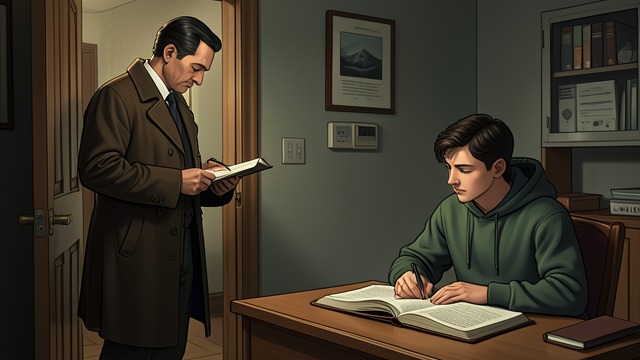
From Achievement to Peace
Changing the standard
As college becomes less certain, David tells himself that Nic can work instead and find his own route. When even stable employment seems remote, he begins hoping mainly that Nic can find peace.
The adjustment is not indifference. It reflects a parent learning that conventional measures of success may be impossible to demand while Nic’s life is at risk.
Survival becomes central
David’s hopes contract again when he realizes Nic may not reach twenty-one. The most basic wish—that his son remain alive—replaces many earlier ambitions.
The Family Learns to Let Him Go
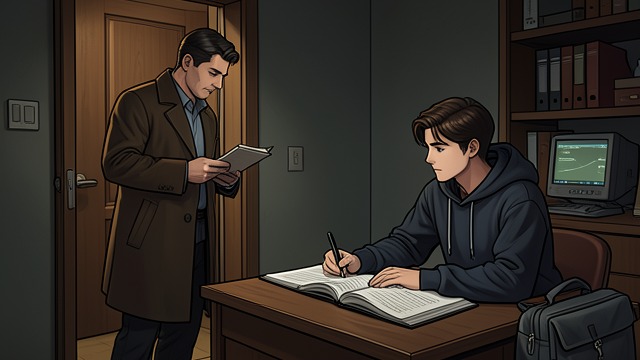
A Child’s Life Is His Own
A new recognition
David’s near-fatal hemorrhage makes him confront that Jasper, Daisy, and Nic will live their lives with or without him. He cannot choose whether any of them will be safe or make the decisions he wants.
The insight is painful because it challenges the parent’s deepest protective instinct. David must distinguish loving guidance from attempting to control another adult’s fate.
Hope changes its form
He still wishes Nic well but focuses more deliberately on his own life and family. His hope no longer depends on managing every choice Nic makes.
A Future Left Open
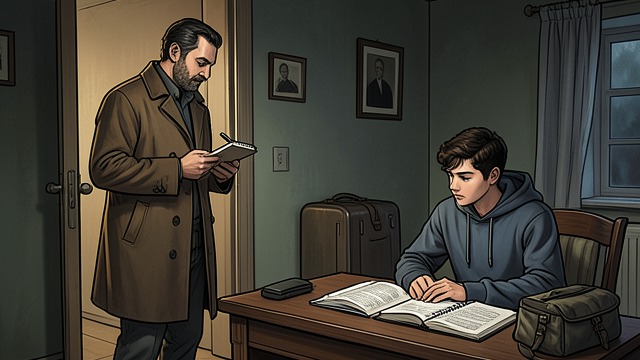
No Predicted Ending
Nic’s independent direction
Nic leaves Santa Fe, travels east, finds a job, lives with a partner, and writes again. David and Nic reestablish regular conversations without David controlling Nic’s plans.
David hopes that Nic is sober but acknowledges that he does not know everything. His son’s future is no longer treated as a story whose ending a parent can write.
Acceptance without detachment
David remains emotionally invested while allowing Nic to make his own choices. The arc ends not with certainty, but with a more realistic form of parental love.
During Nic Sheff’s high-school years
After Nic Sheff leaves Berkeley
After Nic Sheff’s early relapses and disappearances
After David Sheff’s hemorrhage and recovery
At the close of the epilogue
