
The Younger Children’s Place
Beautiful Boy: A Father's Journey Through His Son's AddictionThis thread traces how Jasper Sheff and Daisy Sheff live through their brother’s addiction, from confusion and longing to being given language, support, and room to grieve.
increasing Bearing strength in each event
 decreasing
Bearing strength in each eventdecreasingThe Welcoming Homecoming
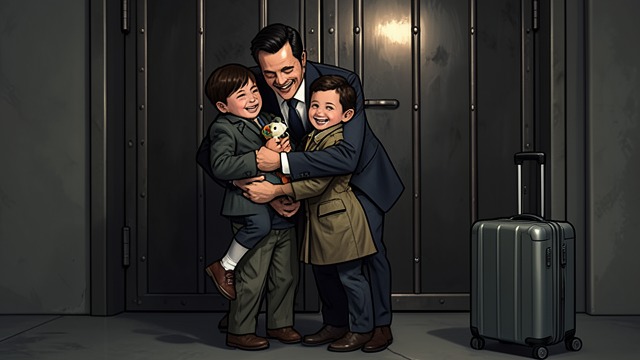
An Older Brother Returns
Excitement at home
Jasper and Daisy prepare banners for Nic’s return from college and eagerly greet him at the airport. Nic responds with hugs, jokes, stories, and gifts, making their reunion feel easy and joyful.
He reads aloud to them and plays with them as he once did. The children experience him first as their funny, affectionate older brother.
A contrast appears
David sees signs of Nic’s physical deterioration even within the happy scene. The warmth is real, but so is the danger that the children cannot yet recognize.
Questions During Absence
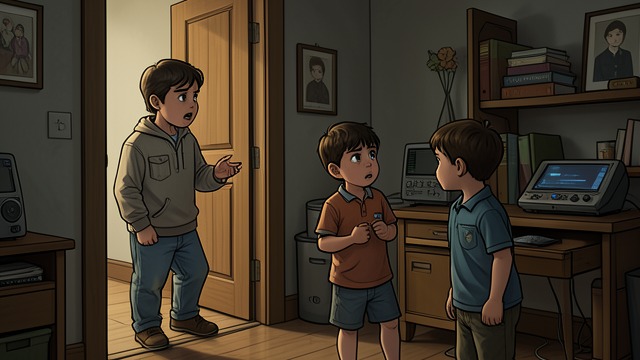
Children Wait for News
Repeated uncertainty
When Nic vanishes, Jasper and Daisy ask where he is and whether he is safe. Their parents try to avoid frightening them, but the children sense the tension in the household.
Jasper asks if Nic is in jail and where he sleeps. The questions show how little reassurance adults can offer when they do not know where Nic is.
A family crisis spreads
Nic’s addiction affects the younger children even when they are not present at the worst events. Silence intended to protect them risks leaving them alone with their own explanations.
The Missing Savings
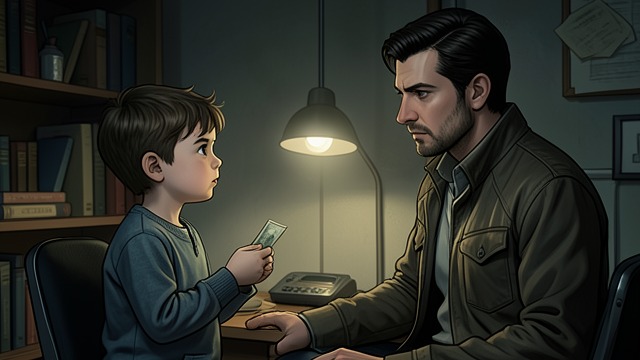
A Small Theft, A Large Question
Jasper notices the loss
Jasper tells David that he thinks Nic has taken the eight dollars he had saved. The small amount makes the betrayal more intimate, not less serious: the money belonged to a child who adored his brother.
David must comfort Jasper without offering an easy account of why Nic would do this. The moment makes addiction’s impact visible in a child’s ordinary sense of trust.
Pain needs recognition
The family cannot explain away the harm by separating “real Nic” from his actions. Jasper’s loss deserves acknowledgment even while his parents continue to love and hope for his brother.
Learning Ambivalence
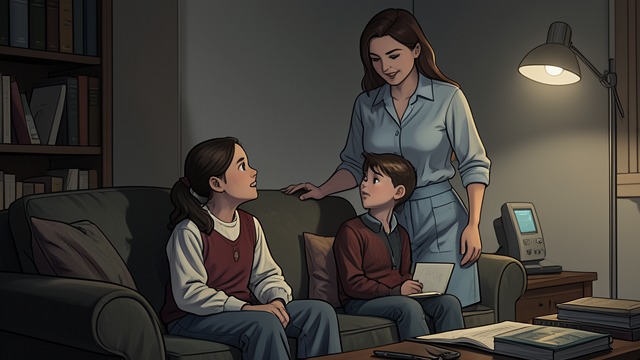
Naming Mixed Feelings
A new word
A family therapist tells Jasper and Daisy that ambivalence means loving someone while also hating what that person’s actions do. The explanation gives them permission to feel longing and fear together.
The children listen as the adults discuss panic, triggers, and the strain created by Nic’s repeated crises. They discover that their feelings have a place in the family conversation.
Relief through acknowledgment
The session helps the children sit more easily and speak more openly. It does not solve the crisis, but it replaces some confusion with shared language and support.
Jasper Keeps the Letter
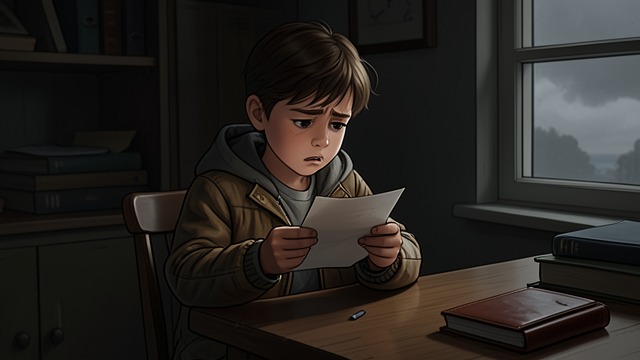
A Promise Carried Forward
A private keepsake
Jasper keeps Nic’s letter in his wallet, even after the family has been hurt by later events. When the paper falls out, he folds it quickly and puts it away again.
The letter carries an apology and a promise that Nic will be there for him. Jasper’s decision to preserve it shows that love and disappointment do not cancel each other out.
A child’s continuing bond
Jasper can treasure his brother’s words while still needing protection and honest explanations. The letter remains a connection, not evidence that the family’s problems are over.
At the beginning of the book’s frame narrative
During Nic Sheff’s early disappearances
After Nic leaves home during a relapse
During the family therapy session in California
After Nic writes to Jasper and later relapses
