Pacific Coast Highway
Beautiful Boy: A Father's Journey Through His Son's AddictionThe Pacific Coast Highway is a recurring setting for Nic Sheff’s bicycle rides with his Alcoholics Anonymous sponsor, Randy, and a physical route through the life he is rebuilding in Los Angeles. The book presents the road not as a cure for addiction but as part of a sustained recovery practice: when Nic struggles to get moving, rides with Randy can reconnect him to his body and to the possibility of pleasure beyond drugs.
Setting and Place in Nic’s Recovery
After Hazelden’s New York inpatient program closes, Nic chooses Los Angeles rather than returning to the Bay Area, which he associates with meth. He settles at Herbert House, a sober-living program with strict rules, chores, and nightly meetings, while also attending outpatient treatment, seeing a psychiatrist, and working with Randy as his Alcoholics Anonymous sponsor. Their long bicycle rides along the Pacific Coast Highway become one element of this larger structure of support, alongside treatment, meetings, and friendships with people in recovery.
The route matters within a life that is being assembled through repeated ordinary commitments. Nic’s recovery includes attending meetings, taking part in treatment, and accepting Randy’s guidance; cycling gives those commitments a shared activity and a place to happen. Randy has been sober for more than fifteen years, and Nic regards him as an example of how good life can be. The highway is therefore associated not only with exercise but with a relationship in which encouragement takes practical form: Randy rides with Nic, and Nic keeps returning to the work of recovery.
Riding as Practice and Physical Experience
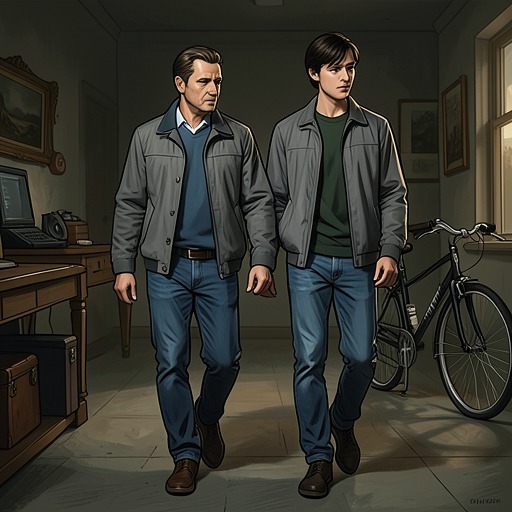
The book’s most vivid account of a ride comes during a difficult period after Nic’s relapse. He reports that he had wanted to die and could barely imagine pedaling down the block, let alone riding up the coast. Randy nevertheless gets him out of bed and onto his bicycle. Once they are moving, Nic feels the wind, and what he describes as the memory in his body takes over. The account turns the ride into a passage from near-paralysis toward temporary movement and connection, without suggesting that one outing resolves the relapse.
David Sheff is left with an image of Nic riding along a beach in the Southern California sunshine. That image gives visible form to a fragile possibility: Nic can be in distress and still accept help, get on the bicycle, and travel some distance. The coast does not erase what has happened, and the book does not treat the landscape as a substitute for treatment or mutual support. Instead, the scene makes recovery legible through a small action repeated with another person: getting ready, starting to pedal, and continuing along the coast.
The Coast as an Ongoing Routine
Elsewhere, the coastal rides appear less as a single dramatic scene than as a durable part of Nic’s schedule. He and Randy continue taking long rides before or after work while beginning the twelve steps again. Later, Nic describes a more expansive routine in Los Angeles: he bikes, swims, or runs every day, sometimes doing all three. He and Randy ride up and down the coast from Santa Monica, through canyons and hillsides, across the city, and along beaches. The Pacific Coast Highway is named as one route for their rides; the book’s other descriptions establish a broader coastal cycling practice, without specifying that every ride follows the highway itself.
That routine accompanies concrete signs that Nic is building an independent life. He finds work, saves money, obtains a bank account and credit card, buys an inexpensive used car and later a new bicycle, and moves into a rented room. These developments do not make his recovery effortless. He still experiences loneliness, anxiety about the future, shifting moods, and cravings; after a breakup, rather than turning to a dealer or drug-using friends, he calls Randy. The rides belong to this uneven progress, a pattern of support and daily activity maintained alongside continued vulnerability.
Narrative Significance
The Pacific Coast Highway’s significance comes from recurrence and contrast. Nic’s earlier addiction makes any report of stability provisional, and a relapse after eighteen months sober exposes the danger of believing that recovery has become secure. Yet the bicycle rides also recur after that reversal. Randy helps Nic find a new job, they begin the twelve steps again, and they keep riding. In this sequence, the road signifies neither a triumphant escape nor a guaranteed destination; it is a route Nic can travel again with assistance.
David Sheff’s account places the rides within a family’s changing relationship to hope. He learns to check his optimism even when Nic speaks emphatically about the life he is rebuilding, and he hears Nic say that he loves his life. Nic also describes the physical exhilaration of riding as better than a drug high. The coast thus becomes a setting in which a different source of intensity can be experienced and named. Its narrative force is grounded in specific repetition—Randy’s presence, the bicycle, the coast, and the decision to go out again—rather than in a promise that recovery will proceed without setbacks.