
Addiction and Self-Deception
Beautiful Boy: A Father's Journey Through His Son's AddictionThis thematic thread traces the way secrecy, persuasive promises, distorted judgment, and denial entangle Nic Sheff and his family in escalating cycles of mistrust.
increasing Bearing strength in each event
 decreasing
Bearing strength in each eventdecreasingA Father’s False Confidence
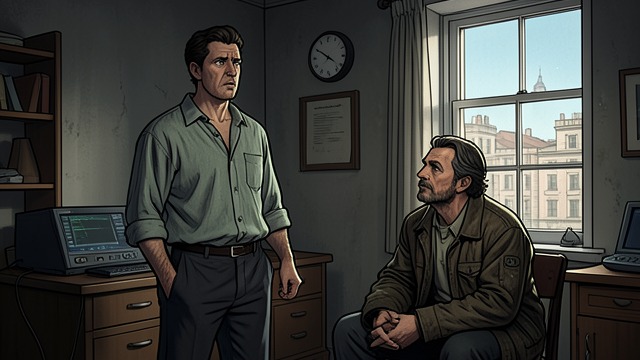
Trust Becomes Assumption
Closeness seems protective
David believes that his relationship with Nic is close enough that he would know if his son began using drugs. He assumes Nic would tell him if he were tempted.
That assumption is comforting because it turns emotional intimacy into a kind of protection. It does not account for the shame, secrecy, and changing judgment that can accompany drug use.
The first contradiction
Discovering marijuana in Nic’s backpack shows David that affection cannot guarantee knowledge. The father must begin separating trust in Nic’s character from certainty about Nic’s behavior.
Promises After Relapse

“I Learned My Lesson”
Reassurance under pressure
After using meth, Nic repeatedly says that the episode was a mistake and that he will stop. At moments, he sounds reasonable and believes what he is saying.
David wants to accept these promises because they offer a less frightening explanation than ongoing addiction. The family’s hope and Nic’s assurances reinforce each other even when behavior contradicts them.
Trust is repeatedly tested
The next disappearance or relapse reveals how little a sincere statement can predict future conduct. The book shows deception as part of addiction’s pattern without reducing every promise to deliberate cruelty.
The Web of Lies

Details Make a Lie Convincing
Stories grow elaborate
Nic gives explanations about where he is and why he cannot return, sometimes adding details that make the account sound plausible. The family learns about the truth through other calls and messages.
David recognizes that he has believed Nic partly because he desperately wants the reassurance to be true. This willingness is not stupidity; it is an attempt to preserve hope under pressure.
Everyone becomes suspicious
As lies accumulate, Karen and David begin doubting even innocent evidence, such as newspapers left in their home. Addiction’s deception spreads paranoia beyond the person using.
A Child’s Devil and Angel
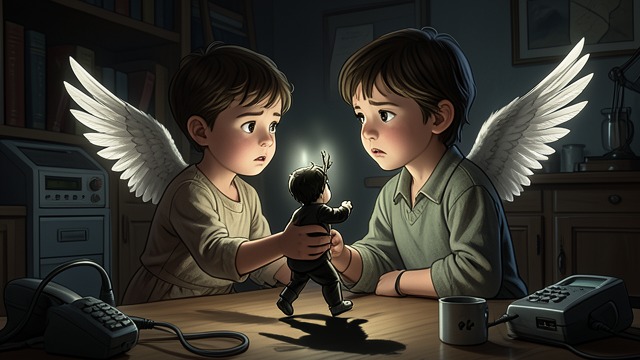
A Metaphor for Conflict
Jasper explains what he sees
Jasper says Nic is like a person with an angel and a devil on his shoulders. The devil’s voice sometimes grows too loud, while the angel is still present but harder to hear.
The image gives a child a way to describe the difference between his loving brother and the brother who uses drugs. It is emotionally perceptive without pretending to explain the biology or full complexity of addiction.
Meaning for the family
The metaphor helps the family talk about Nic without declaring that his loving self has vanished forever. It also shows how children create their own explanations when adults have none that fully satisfy them.
Seeing Through the Story
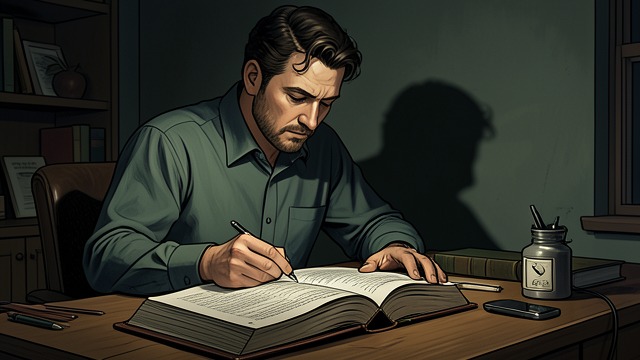
Knowledge and Uncertainty
A father learns the pattern
David recognizes that a using addict’s confident explanations may come from a distorted brain and not reflect a stable intention. His earlier practice of treating a persuasive promise as evidence becomes harder to sustain.
He distinguishes between hearing Nic and accepting every claim as true. This is a necessary boundary, but it brings grief because trust had been one of their deepest connections.
Honesty becomes conditional
David hopes to speak with Nic when he is sober and clear-headed. Their relationship remains open to repair, but honesty must be demonstrated over time rather than assumed from words alone.
Before Nic Sheff’s first disclosed drug use
After Nic Sheff’s early methamphetamine crises
During Nic Sheff’s later relapses
During Jasper Sheff’s childhood reflections
Near the end of the book
