
The Sea of Contradictions
Beautiful Boy: A Father's Journey Through His Son's AddictionThis thematic thread follows the book’s movement away from simple oppositions—love or anger, illness or responsibility, hope or despair—toward a capacity to hold conflicting truths together.
increasing Bearing strength in each event
 decreasing
Bearing strength in each eventdecreasingTwo Nics in One Family
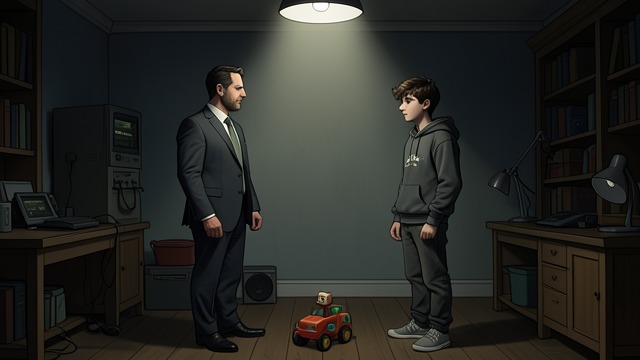
The Loving Son and the Stranger
Contrasting behavior
Nic can be generous, funny, and attentive to Jasper and Daisy, then become secretive, reckless, or cruel while using drugs. His family experiences both versions without knowing how to reconcile them.
David asks how the same person can behave in such opposing ways. The question reflects genuine love but also the temptation to treat harmful actions as belonging to someone entirely separate.
A conflict without a neat answer
The family must preserve affection while acknowledging damage. Neither the loving memories nor the harmful conduct cancels the other out.
Illness and Accountability
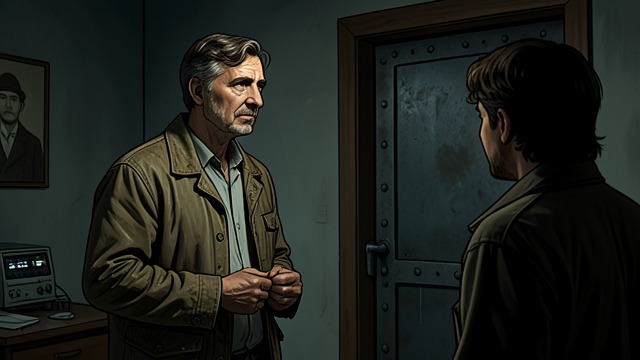
Two Claims at Once
The moral objection
Relatives ask how addiction can be called an illness when people lie, steal, and choose to use drugs. David shares their difficulty accepting a disease model that seems to threaten personal responsibility.
Researchers and clinicians argue that compulsion can impair control while recovery still requires a person’s participation. The explanation does not remove the harm done to family members.
Responsibility without condemnation
David gradually separates responsibility for having an illness from responsibility for engaging in recovery. The distinction is emotionally difficult, but it prevents blame from becoming the only language available.
Love and Anger Together
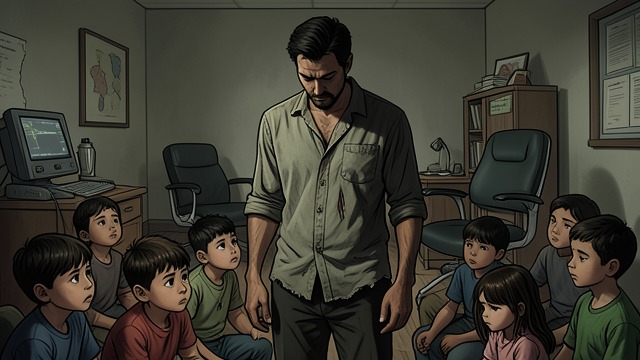
The Family’s Ambivalence
Resentment and devotion
David sometimes feels furious at Nic’s lies and thefts, yet continues to miss his humor and presence. Karen and the younger children also hold affection alongside exhaustion, fear, and hurt.
Family therapy gives Jasper and Daisy a word for this emotional mixture. Their feelings do not need to be reduced to either love or rejection.
A more honest attachment
Acknowledging anger does not erase love. It helps the family avoid pretending that care requires approval of every action.
Beauty Beside Danger
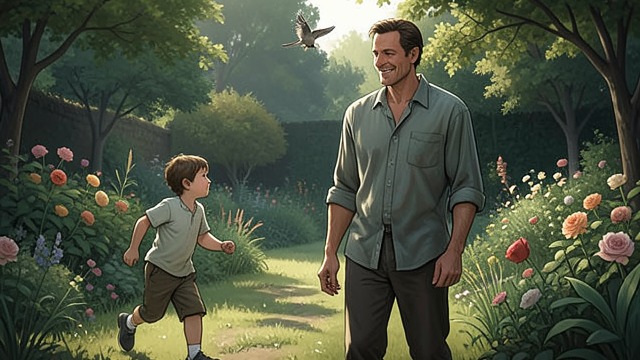
A Brighter and More Fragile World
Ordinary beauty remains
After surviving a hemorrhage, David notices color, birds, family routines, and landscape with renewed intensity. This appreciation does not erase the possibility of Nic’s relapse or other future catastrophes.
He can feel gratitude for being alive while remaining afraid. A beautiful day is not a guarantee of safety, but it is still worth experiencing.
Contradiction becomes bearable
David’s perspective changes from searching for one clean lesson to accepting that love and pain occupy the same life. The world is not made simple by survival.
A Life That Holds Both
Neither Redemption nor Defeat
The family remains unfinished
Nic’s later life includes work, writing, and contact with David, but the possibility of relapse remains. The family does not know whether this period will last or what recovery will require next.
David’s love survives without turning into a promise that everything will be all right. He has learned to value connection while recognizing the limits of his knowledge.
Complexity as an ending
The closing perspective holds fear, hope, guilt, affection, and uncertainty together. The family’s story continues beyond the book, without being reduced to a single lesson or outcome.
During Nic Sheff’s early addiction
During the addiction education sessions
During Nic Sheff’s later relapses
After David Sheff’s brain hemorrhage
In the final pages
