
The Uncertain Meaning of Intervention
Beautiful Boy: A Father's Journey Through His Son's AddictionThis conflict thread follows the family’s shifting choices between enforcing consequences, offering help, and considering stronger intervention when Nic Sheff’s life is at risk.
increasing Bearing strength in each event
 decreasing
Bearing strength in each eventdecreasingThe First Punishment
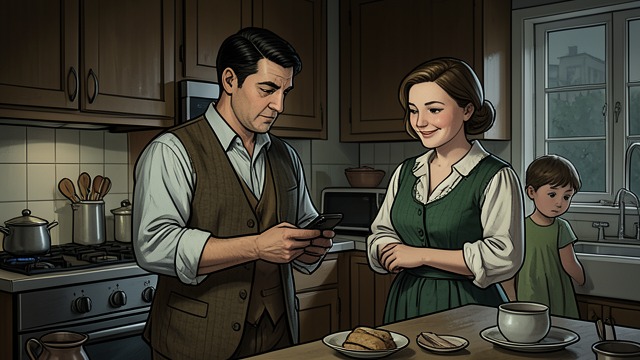
Discipline as a First Response
A measured consequence
After discovering marijuana, David and Karen ground Nic and explain why the rule matters. They want to avoid both panic and complacency, hoping that a clear consequence will demonstrate seriousness.
Nic appears contrite and promises not to use again. His parents eventually lift the grounding when they believe the incident has passed.
A decision made with little evidence
The punishment feels proportionate at the time, but later use reveals that the parents did not know the full pattern. The experience shows how difficult it is to choose a response before the scale of addiction is visible.
The First Bailout
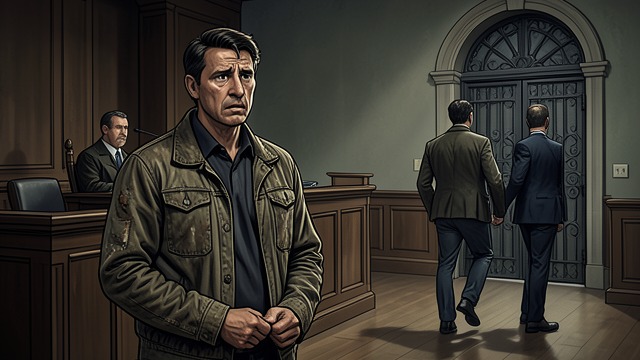
Consequences Meet Protection
A parent intervenes
Nic is arrested after failing to appear in court. David bails him out, believing that the event will teach him a lesson while also sparing him further danger.
The act provides immediate help but leaves David unsure whether he has protected Nic or removed a consequence. The family has no agreed formula for where support should stop.
A pattern begins
The bailout becomes one of several moments when David tries to reduce immediate harm. Later, he questions whether repeated rescue has made it easier for Nic to continue using.
A Threat to Withdraw Support
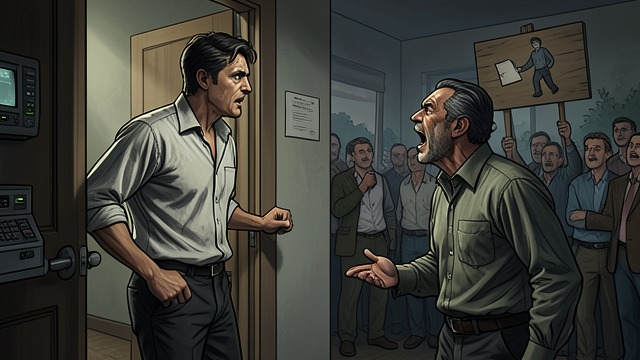
An Ultimatum to Enter Care
The last available leverage
When Nic refuses treatment, David says that he cannot continue providing a home and support unless Nic accepts help. The threat is painful because David fears that sending Nic away may expose him to greater danger.
Nic rages but follows his father to treatment. David acts because he believes continued drug use may kill his son, not because he is sure coercion will work.
A choice shaped by fear
The episode shows that family intervention can open a door without determining what happens afterward. Nic’s willingness remains uncertain even once he enters a program.
Considering an Intervention
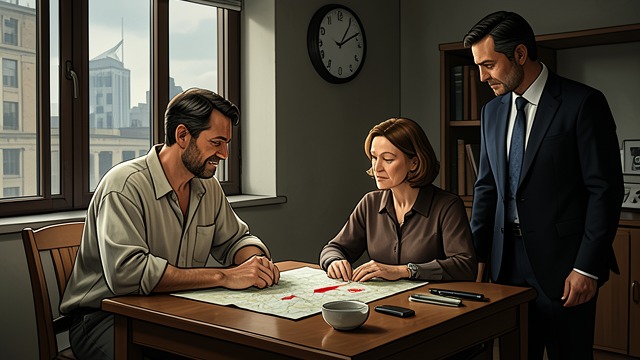
Another Attempt or Letting Go
Conflicting counsel
David considers hiring an interventionist after more relapses, but friends warn him that treatment can become an endless cycle. Others insist that Nic must reach his own bottom.
Richard Rawson tells David that intervention can sometimes bring a resistant person into treatment sooner, while offering no guarantees. The advice makes clear that waiting is not a neutral or reliably safe option.
Choosing one more effort
David and Vicki decide to support another attempt at care. Their decision is a risk taken under uncertainty, not confidence that an intervention will permanently resolve addiction.
Boundaries After the Break-In
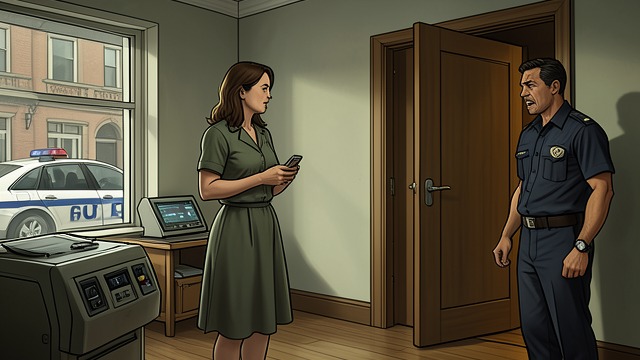
Help with Conditions
Safety becomes immediate
Nic’s theft and agitation force his family to consider involving police. Vicki tells him he must choose between arrest and rehabilitation, making the danger and the boundary explicit.
The family does not treat love as permission to overlook harm. Nor does it abandon Nic: relatives help arrange detox and another program once he agrees.
A conditional form of support
The response reflects the family’s hard-earned position that help should be linked to treatment rather than continued drug use. It still cannot guarantee what Nic will do next.
After Nic Sheff is discovered with marijuana
After Nic Sheff is arrested for missing court
Before Nic Sheff’s first residential treatment
During Nic Sheff’s later relapse
After Nic Sheff breaks into Vicki’s home
