Never any knowing
Beautiful Boy: A Father's Journey Through His Son's Addiction“Never any knowing” is both the title of Part V and a phrase that crystallizes the book’s meditation on consequence: people cannot know in advance which actions, or failures to act, will matter for years to come. The phrase reaches the narrator through a passage he reads in a motel room, at a moment when he is trying to understand how to hope for Nic without pretending that the outcome is certain.
The Phrase and Its Source
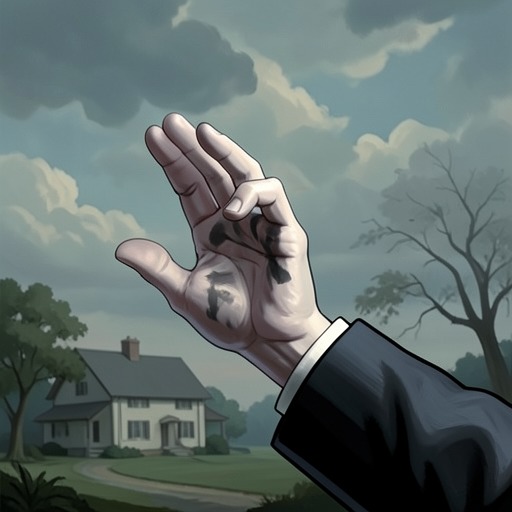
The phrase appears in an epigraph from E. M. Forster’s Where Angels Fear to Tread, which the narrator encounters in Zadie Smith’s White Teeth. He has bought the novel because he wants, for the night, to escape into someone else’s story. Instead, the epigraph stops him: “Every little trifle, for some reason, does seem incalculably important and when you say of a thing that 'nothing hangs on it' it sounds like blasphemy. There's never any knowing—how am I to put it—which of our actions, which of our idlenesses won't have things hanging on it for ever.” He reads it repeatedly, almost shaking, and connects its uncertainty to a paired recognition: people are innocent of their mistakes in one sense, yet responsible for them in another.
A Motif of Hope and Responsibility
The phrase acquires its force from the circumstances in which the narrator reads it. During the treatment weekend, he recognizes that his hesitation to hope for the new program comes not from believing it cannot work, but from being terrified to hope again. The epigraph offers no assurance about what will happen; instead, it names the inability to know which choices will carry lasting consequences. Its emphasis on both action and “idlenesses” also makes uncertainty a question of responsibility, not simply fate.
That question meets the family’s effort to move beyond blame. Vicki recalls having carried anger toward the narrator as if it were a backpack full of bricks; he suggests that some may remain, and she agrees that they may. The therapist says the weekend is about moving beyond lingering resentment, while another father compares resentment to taking poison and waiting for someone else to die. Against this background, “Never any knowing” does not resolve the family’s history or promise a cure. It gives the narrator a way to hold together the importance of choices, the persistence of their consequences, and the fact that their full meaning can only become clear later.