Nic relapses and admits it to his father
Beautiful Boy: A Father's Journey Through His Son's AddictionNic’s relapse and admission to his father overturn the family’s belief that he has returned from college sober. What first looks like a late return from an Alcoholics Anonymous meeting becomes a confrontation over a broken agreement, then a disclosure that Nic had been using methamphetamine throughout the semester. The revelation gives new meaning to his apparent recovery, while his abrupt departure leaves his father and younger siblings facing the fact that he is gone again.
Apparent Recovery
During a stormy night at home, David Sheff hears Nic moving through the house: making tea, strumming his guitar, and playing music between the thunderclaps. David worries about Nic’s insomnia but deliberately pushes suspicion aside. Nic has completed his freshman year at an eastern college after leaving Berkeley, and David counts him as approaching 150 days without methamphetamine. Given the family’s history, this stretch of apparent sobriety feels miraculous. Nic’s return also seems to include ordinary work and family life. He gets hired as a waiter at an Italian restaurant, despite being dismayed by its stiff black shoes and burgundy vest, and performs a playful imitation of a waiter from Lady and the Tramp at dinner. He asks to borrow the station wagon to attend an Alcoholics Anonymous meeting, an activity his father regards as essential to recovery. Though Nic had lost driving privileges after missed curfews and other infractions, his request seems reasonable; he returns as promised and reports that he has asked someone he met to sponsor him while he is in town. The following day, Nic asks to use the car again to have lunch with the sponsor. David is impressed that he says where he is going, states when he will return, and keeps to the agreement. That evening, Nic falls asleep while reading with David and Karen, but wakes at a quarter to seven, suddenly remembering his meeting. Exhausted, he washes his face, brushes his hair out of his eyes, changes into a clean T-shirt, and hurries out so that he will be on time. His determination looks like evidence of commitment, not concealment.
The Late Return
After eleven, Nic still has not come home. David lies awake, caught between harmless explanations and the certainty that something is wrong. Groups from meetings sometimes go for coffee afterward; Nic might be talking with his sponsor. Yet past violations of curfew have sometimes preceded disaster, and David’s worry takes over despite his knowledge that worrying cannot protect his son. The night’s waiting has its own long history. David remembers listening for the grinding engine of the car, the door closing, and footsteps creeping up the stairs. Brutus, the family’s chocolate Labrador, often gave a halfhearted bark. When no car arrived, David waited for the telephone, never knowing whether it would be Nic calling from a friend’s house or the police. On previous nights, an explanation from Nic could bring anger and relief together: David had already imagined his son dead. This time the hours pass without reassurance. David and Karen remain awake; he checks Nic’s room at one-thirty and again at two. At last, the car can be heard. Nic offers a mumbled excuse in the kitchen, and David tells him that he can no longer use the car. When David asks whether Nic is high, Nic says no. David asks where he has been and reminds him that they had an agreement. Nic says he is sorry, then escapes into his bedroom, shuts the door, and locks it. The broken curfew is no longer simply a failure to keep a promise: it has made the father’s suspicions impossible to dismiss.
The Confrontation
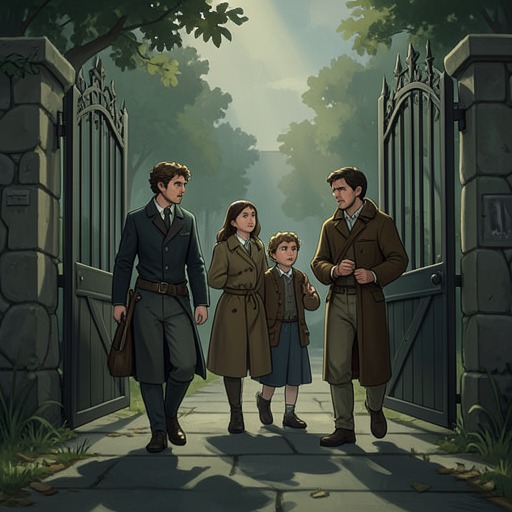
At breakfast, David watches Nic closely. His body vibrates as if idling; his jaw moves, his eyes dart, and his voice has a prickly edge. Nic nevertheless makes plans with Jasper and Daisy for after school and gives them gentle hugs. The contrast between that tenderness and his physical agitation sharpens David’s concern. After Karen and the children leave, David tells Nic that he knows he is using again. Nic denies it, glaring at his father before lowering his eyes to the floor. David proposes a drug test and asks to do it immediately. Nic agrees, but says he is not using and almost growls that he should have called. The test is not completed in the account: faced with David’s certainty and the demand for immediate proof, Nic hurries to his room, closes the door, then comes out in a Sonic Youth T-shirt and black jeans. With his head down, a backpack over one shoulder and his electric guitar in his hand, he pushes past David and admits that he has been using since he came home and had been using throughout the semester. He slams the door behind him as he leaves.
Disclosure and Consequence
The admission overturns the chronology David had trusted. The completed freshman year and the apparent 150 days without meth had seemed to mark a sober interval; Nic’s words reveal that the family’s understanding of that interval was false. Even the meetings, sponsor, careful reports about his whereabouts, and prompt returns had appeared to confirm recovery. The book does not establish that these actions were themselves fabricated, or explain each of Nic’s choices; their significance is the gap between the evidence his family could see and the drug use he finally acknowledged. David runs outside and calls after Nic, but Nic is gone. Returning to the house, David sits on his son’s unmade bed and finds a crumpled piece of paper beneath the desk. It contains two lines: “I'm so thin and frail” and “Don't care, want another rail.” The short verse places physical frailty beside an appetite for another dose, making visible in a private scrap what the family had not been able to establish through the appearances of the previous days. Later, Jasper and Daisy rush from room to room and ask where Nic is. Their question gives the departure an immediate family consequence: the person who had recently shared meals, reading, and jokes with them has vanished from the household again. David places this personal rupture against the destructive force he associates with methamphetamine. He recalls Nic as a sensitive, sagacious, exceptionally smart and joyful child, and describes the person on meth as unrecognizable. In the wider account, this relapse is not merely a failed stretch of abstinence; it is the discovery that apparent progress and continued drug use have occupied the same period, leaving the family to confront both the addiction and the limits of what they had been able to know.