
The Escalating Blows of Life
Berlin AlexanderplatzThis thread traces how repeated reversals transform Franz’s belief that willpower can keep him safe, culminating in a breakdown that forces him to reconsider his place in the world.
increasing Bearing strength in each event
 decreasing
Bearing strength in each eventdecreasingThe City as Threat
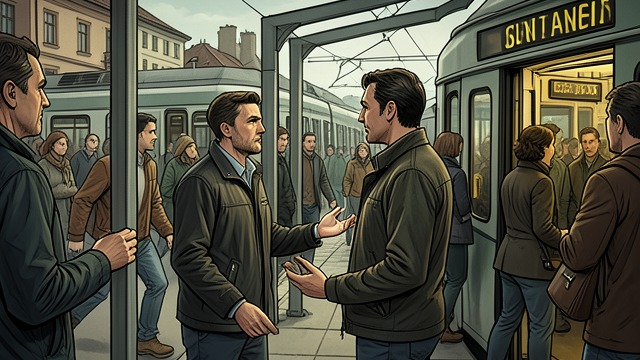
The City as Threat
The streets overwhelm him
The movement, shop windows, crowds, and noise of Berlin unsettle Franz after prison. He seeks refuge in entrances and courtyards, where walls momentarily seem more reliable than the open street.
Fear without explanation
His panic is more than ordinary unease: he experiences the city as an immense force that he cannot interpret or control. He eventually leaves the courtyard and walks on, but this first encounter establishes a pattern: when life becomes frightening, he struggles to understand it before acting.
Lüders and the Collapse
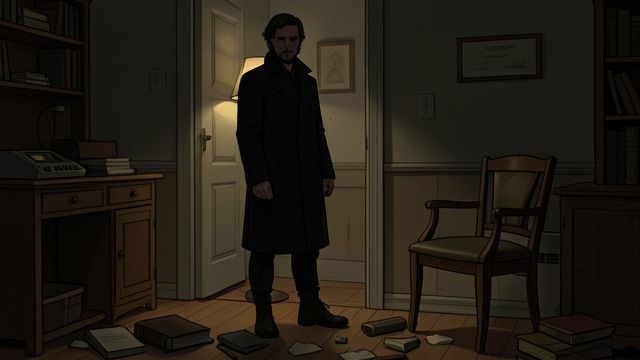
Lüders and the Collapse
A partner turns predator
Franz trusts Otto Lüders with information about a successful sale and the widow who had helped him. Lüders uses the opening to rob her and returns to Franz with a share of the proceeds, expecting the incident to remain ordinary business.
Withdrawal instead of confrontation
Franz cannot absorb the discovery. He becomes silent, leaves his room, and disappears from the people looking for him. His response repeats the earlier retreat from Berlin’s streets: instead of confronting what has happened, he tries to seal himself away from it.
The Pile Driver and the Gang
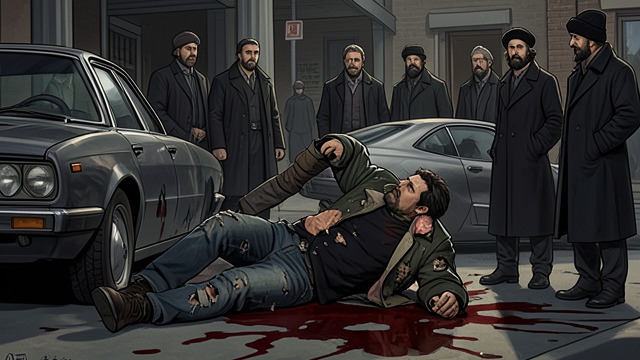
The Pile Driver and the Gang
A return to apparent strength
After wandering back into public life, Franz becomes sociable again and believes he has recovered. He meets Pums’s associates and joins an operation, persuaded that the job is simply a way to earn money.
The blow he cannot master
When the burglary is underway, Franz discovers that he has been assigned to guard the entrance rather than share the work as he expected. Reinhold strikes him and later throws him from the car. The assault leaves Franz gravely injured and without his right arm, turning the gang’s betrayal into a permanent physical fact.
The Missing Mieze
The Missing Mieze
A disappearance Franz cannot read
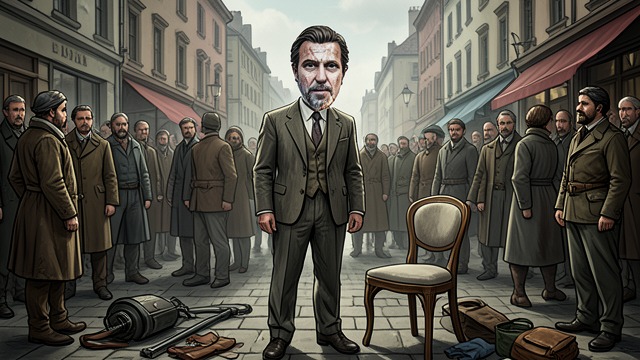
After Mieze goes to Freienwalde with Karl Matter and Reinhold, she does not return. Franz waits, searches, and accepts comforting explanations for longer than Eva can bear. His confidence that Mieze will come back shields him from recognizing the danger.
Public evidence of loss
When a newspaper prints his photograph beside Reinhold’s in connection with Mieze’s murder, Franz learns that she is dead and that he is suspected. His response is first disbelief, then grief and a desperate effort to understand why the event has happened to him.
The Breakdown at Buch
The Breakdown at Buch
Refusal and physical collapse
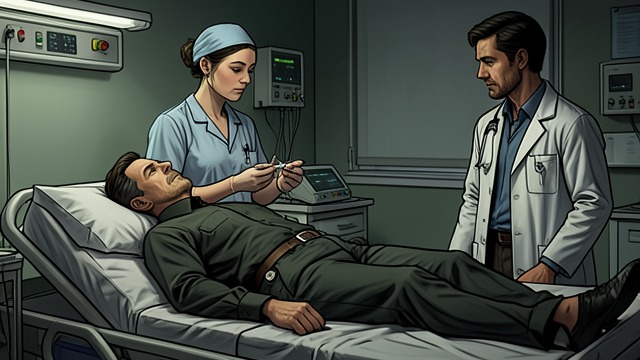
At Buch secure ward, Franz lies rigid, refuses food, and resists every attempt to make him speak. The staff keep him alive through forced feeding and medical treatment while his body grows dangerously weak.
A reckoning with his former self
In his inner struggle, Death confronts Franz with the limits of his self-protective toughness and the harm he did not want to see, especially to Mieze. Franz’s old identity collapses; after the crisis, he returns to the world weakened but more capable of recognizing that he cannot live by self-assertion alone.
Immediately after Franz leaves Tegel
During the winter after Christmas 1927
On Sunday April 8, 1928, and the night that follows
From September 1, 1928, through the weeks that follow
In the winter of 1928–29
