
From Isolation to Recognition
Berlin AlexanderplatzThis thread traces Franz’s recurring retreat from others and his eventual movement toward a limited but meaningful recognition of shared vulnerability and collective life.
increasing Bearing strength in each event
 decreasing
Bearing strength in each eventdecreasingHiding in the Courtyards
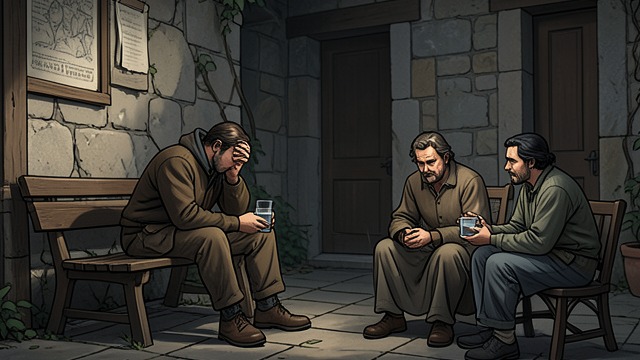
Hiding in the Courtyards
Seeking shelter from the crowd
Newly released, Franz cannot face Berlin’s traffic and strangers. He retreats into courtyards, groans to hear his own voice, and tries to recreate the enclosure of prison.
A first opening to others
Nachum and the people in the house do not let Franz disappear into his fear. Their stories and conversation help him leave, even if his recovery rests more on temporary reassurance than on understanding. His first step back into society begins through contact, not solitary will.
The Repeated Retreat
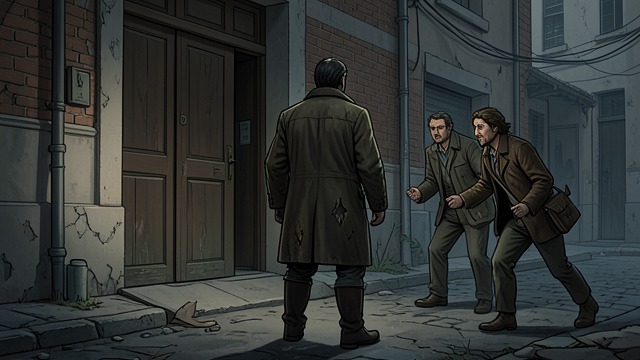
The Repeated Retreat
Betrayal revives old fear
When Lüders robs the widow and Franz understands what has happened, Franz again withdraws from ordinary contact. He abandons his room and leaves Lina and Meck searching for him.
Isolation protects and harms
Franz’s retreat gives him a temporary escape from accusation and shame, but it also leaves others unable to understand or help him. His silence becomes a recurring defense that prevents him from building the durable relationships his survival will require.
Rejecting Political Belonging

Rejecting Political Belonging
Encounters with rival explanations
Franz moves among nationalist slogans, left-wing meetings, and arguments about work and class. He finds each political language both compelling and alien, then insists that other people’s struggles do not concern him.
The limit of self-reliance
After hearing a working man describe poverty and unequal treatment, Franz recognizes some of the conditions around him but still turns away from organized action. His retreat preserves his independence in his own eyes, yet leaves him without the solidarity that might have offered support.
The Asylum’s Hard Lesson
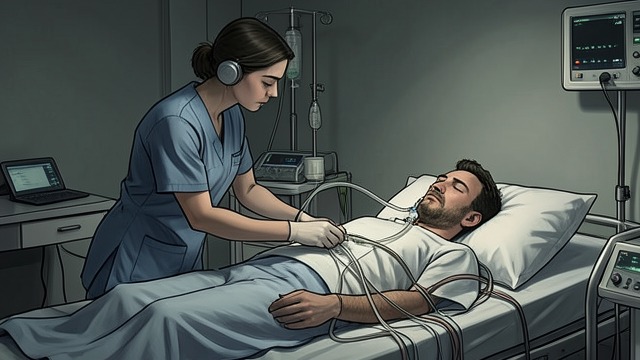
The Asylum’s Hard Lesson
A body held between life and death
At Buch secure ward, Franz withdraws so completely that doctors must feed and treat him while he remains largely unresponsive. His former self seems to have vanished, and ordinary encouragement cannot reach him.
Hearing the cost of isolation
His inner confrontation with Death makes him face what his self-absorption has hidden: the lives of others, including Mieze’s, cannot be reduced to obstacles in his own story. His recovery begins when he stops treating survival as a private contest and allows his attention to extend beyond himself.
A Life Among Others

A Life Among Others
A modest return
After leaving the secure ward, Franz returns to Berlin weak and dependent on help. Eva assists him, and he slowly begins to walk through the city again, observing ordinary places without the earlier sense that every street will collapse around him.
A changed principle
He accepts work as a part-time doorman and concludes that isolation invites danger. The ending does not promise that he can control history or avoid all harm; it gives him a more cautious principle: people need one another, and he must keep his eyes open to the forces around them.
On the day of his release from Tegel
From winter 1927–1928 to early spring 1928
From spring through summer 1928
During the winter of 1928–29
After Franz leaves Buch, near the end
