
Franz and Mieze’s Tender Household
Berlin AlexanderplatzThis thread traces the intimate partnership through which Mieze offers Franz care and stability, while their unequal understanding of love leaves both exposed to betrayal and loss.
increasing Bearing strength in each event
 decreasing
Bearing strength in each eventdecreasingA Gift from Eva
A New Companion
Eva’s intervention
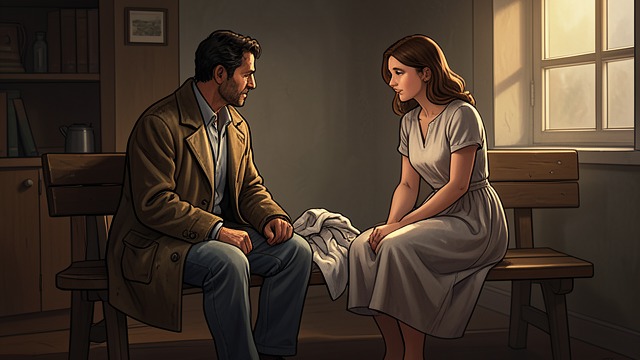
After Franz loses his arm and returns to Berlin, Eva introduces him to a young woman from Bernau who has been left without secure work or a place to stay. Franz is immediately captivated by her gentleness and presence, and Eva’s act of bringing them together becomes the beginning of a close domestic bond.
Naming a shared life
The young woman first uses the name Sonja, but Franz prefers to call her Mieze. The change reflects his wish to make the relationship feel intimate and rooted in his own world, while Mieze accepts the name and settles into the room with him.
Their early happiness is real, but it is also shaped by dependence: Franz needs emotional reassurance, and Mieze quickly takes on the work of caring for him. The tenderness between them begins alongside that imbalance.
Care Behind Closed Doors
Love as Daily Care
A quiet domestic refuge
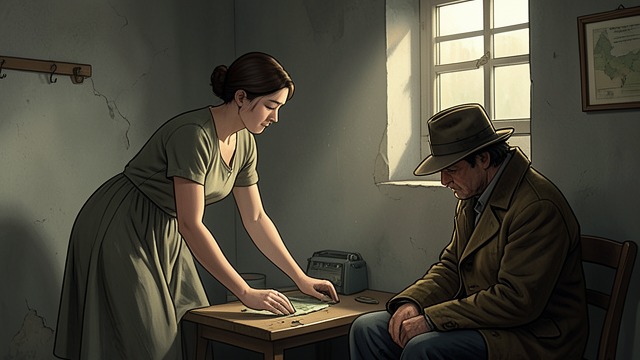
Mieze keeps the room clean, brings small gifts, and makes their home feel gentle and secure. Franz cherishes these routines, finding in them a reprieve from the street, criminal life, and the pain of his disability.
The hidden cost of support
Mieze also earns money from other men so that Franz can live without exhausting himself. She hides the arrangement because she knows he might experience her work as humiliation or betrayal, while she understands it as a loving contribution to their shared life.
Their intimacy depends on a secret that each interprets differently. Mieze’s care is an effort to protect Franz; his pride and need to feel capable make honesty difficult between them.
A Letter and an Explanation
The Meaning of Fidelity
Suspicion at the door
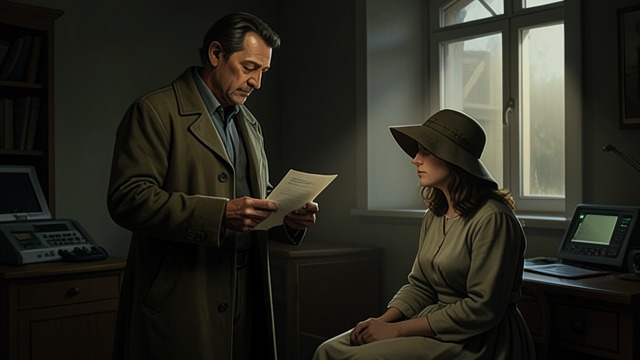
Franz discovers a letter addressed to Mieze from another man and reads enough to fear that she has been unfaithful. He takes the letter to Eva rather than confronting Mieze immediately, revealing how quickly his attachment turns to suspicion when he feels excluded from her private life.
Eva interprets the secret
Eva explains that Mieze’s relationship with the correspondent is connected to her effort to earn money for Franz. Mieze does not treat the arrangement as a rejection of him; she sees it as a way to care for him and to spare him the strain of work.
Franz gradually understands that the gift and the letter belong to the same act of devotion. His reconciliation with Mieze depends on accepting that her love does not require her to be financially dependent on him.
A Love Put on Display
Trust Under Pressure
Franz’s boastful confidence
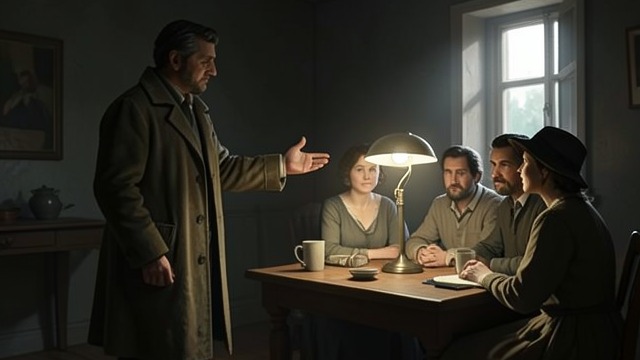
Franz tells Reinhold about Mieze’s devotion and reveals the intimate affection between her and Eva. He believes that displaying the security of his relationship will demonstrate his strength and perhaps influence Reinhold, whose repeated changes of partners have troubled him.
A dangerous invitation
Reinhold becomes fascinated by Mieze and asks to see her. Franz agrees, imagining that the encounter may teach his friend something about faithful love. Mieze, however, senses that Reinhold’s attention is not harmless and is left uneasy by the stories he tells.
Franz’s pride turns private affection into something offered for another man’s inspection. That decision exposes Mieze to Reinhold’s desire and shows how Franz’s need to prove himself can endanger the person he most wants to protect.
Mieze’s Disappearance

Absence and Fear
A missing presence
After Mieze leaves with Karl Matter and Reinhold for an outing, she does not return. Franz initially waits, believing she is away with her gentleman friend, and only later begins to understand that her disappearance does not fit the ordinary explanations he has offered himself.
A partner’s alarm
Eva grows increasingly certain that Mieze is in danger and urges Franz to act. Franz moves between denial and dread, unable to treat the absence as a confirmed loss until the evidence becomes public.
The delay makes the emotional separation cruelly incomplete: Franz cannot speak with Mieze, ask what happened, or repair the dangerous choices that preceded her disappearance.
The Murder Revealed
The End of the Partnership
News becomes knowledge
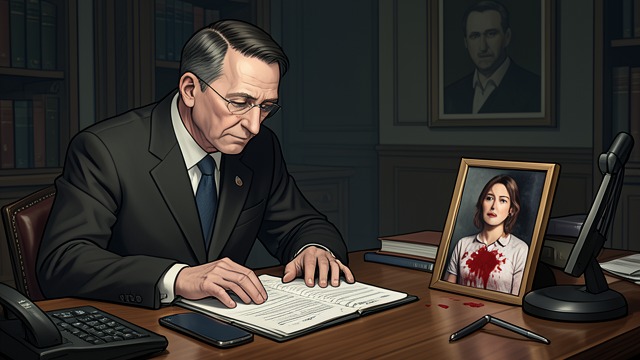
Eva brings Franz the report that identifies Mieze as murdered near Freienwalde. Franz sees his own photograph beside Reinhold’s and understands that the woman he had expected to return has been killed. His first response is bewilderment, followed by grief that finally breaks through his emotional defenses.
The meaning of her absence
Franz recognizes that Mieze did not abandon him. Her disappearance was the result of violence, and his earlier certainty that she would come back had been a way of postponing the truth.
He can now name her as someone who loved and protected him, but he cannot restore the life they shared. The discovery turns their private bond into an irreparable loss and makes his own part in exposing her to Reinhold impossible to ignore.
The Unfinished Farewell
A Love That Cannot Return
Mieze’s final visit
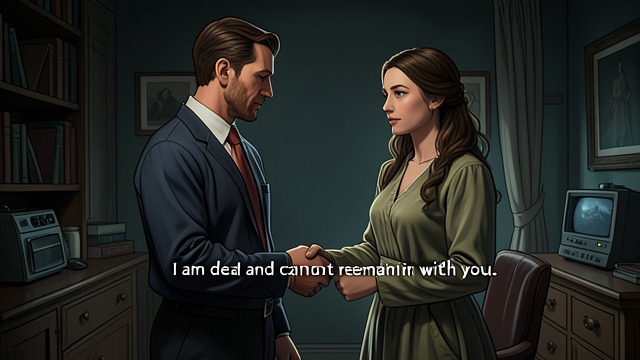
In Franz’s delirium, Mieze appears calm and whole, as he remembers her from ordinary meetings in the street. She lets him hold her hands and kiss her, but she tells him that she is dead and cannot remain with him.
Grief without possession
Franz pleads for her to stay, yet the visit offers no way to reclaim her or to undo what happened. He must confront the finality of a relationship that he had treated as a source of comfort, protection, and renewed life.
Her departure leaves him facing the damage of his choices rather than repeating the fantasy that love can simply begin again. The scene is a turning point in his painful recognition of what Mieze meant and what he failed to understand.
Early July 1928
The weeks after Mieze moves in
A few days after Mieze’s gift of cigars and schnapps
Late August 1928
The days following September 1, 1928
Early October 1928
During Franz’s breakdown at Buch in the winter of 1928–29
