
The Ethics of Rebuilding
Bimbo Suite: A Dark Ex Lovers Erotic Thriller (The Institute Protocols)This thematic flow follows the difference between defeating a controller and changing a system, ending with Marla’s unresolved responsibility as its new leader.
increasing Bearing strength in each event
 decreasing
Bearing strength in each eventdecreasingThe Board’s Recommendation

The Board’s Recommendation
Institutional complicity suggested
Marla is sent toward a rebranding experience after a board meeting, and her file later includes the board’s recommendation letter. The sequence suggests that powerful actors helped place her in the facility’s reach.
Responsibility obscured
The novel does not fully explain what the board knew about the tower or how its members participated. That uncertainty leaves the institution’s wider accountability unresolved.
The story’s ethics therefore begin beyond Crain: private abuse can depend on organizational decisions and euphemistic professional language.
The Tower as Institution
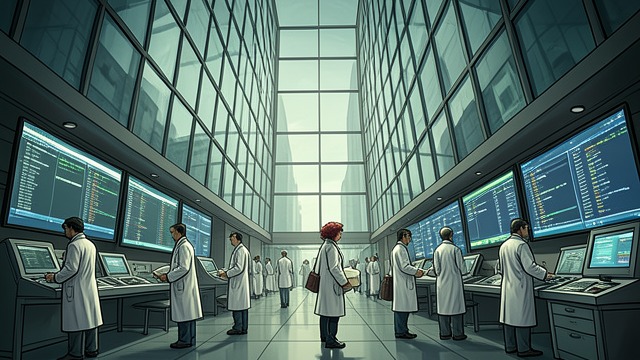
The Tower as Institution
Procedures beyond one subject
The archive contains records of many women, showing that the process is organized and repeatable. Marla’s experience is one case in a system that uses assessment, naming, and staged induction.
Accountability beyond the founder
Crain designed the project, but automated suites and drones carry out its routines throughout the tower. Destroying or defeating a single person may not be enough to address the structure.
The archive widens the ethical question from personal revenge to institutional responsibility.
A Shutdown with Costs
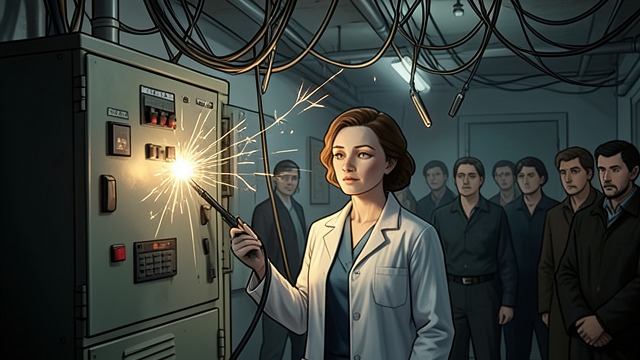
A Shutdown with Costs
Effective sabotage
Marla overloads the tower and ends Crain’s immediate command. The network’s failure creates a genuine interruption in the facility’s operations.
Harm still possible
The surge also affects the residents who are connected to the system, and the novel does not track every person’s recovery. A justified aim does not make every consequence of the method disappear.
The climax distinguishes the moral urgency of ending control from the harder task of protecting people during the transition.
The Choice to Rebuild
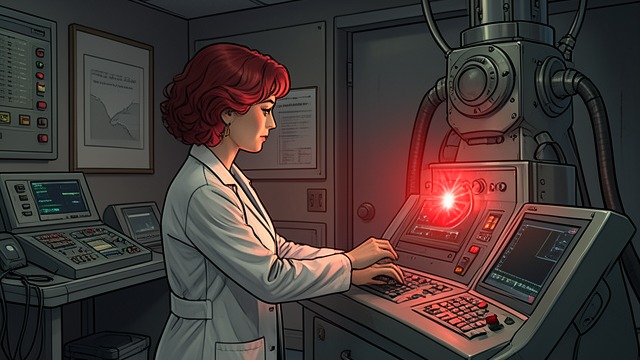
The Choice to Rebuild
Power accepted
Marla chooses to remain and establishes herself as Doctor M. She does not merely seize the capacity to shut down the tower; she takes responsibility for operating it.
Reform unproven
The narrative says the system will rebuild and shows Marla restoring it, but offers little detail about changed safeguards. Her intentions and authority are presented more clearly than the new subjects’ protections.
The decision makes her victory morally unstable and turns future governance into a central question.
A Candidate Left Waiting

A Candidate Left Waiting
The next intake begins
A candidate is ready for Suite 4, and Doctor M authorizes passive induction. The moment echoes Marla’s own arrival, now viewed from the administrator’s side.
A future not settled
The novel ends before showing what the candidate experiences or whether Doctor M intervenes differently from Crain. The institution’s ethical reform remains a promise without demonstrated evidence.
The final image leaves the reader with a concrete test of Marla’s new rule: the next subject’s experience will reveal whether the system has truly changed.
before Marla’s intake
during Marla’s discovery of the subject files
during Marla’s final system attack
after Marla opens the administrator terminal
the final morning of the story
