
Kindness as a Form of Knowledge
Black BeautyThe novel repeatedly contrasts people who learn to read animals with those who mistake distress for disobedience.
increasing Bearing strength in each event
 decreasing
Bearing strength in each eventdecreasingA Fair Breaking-In
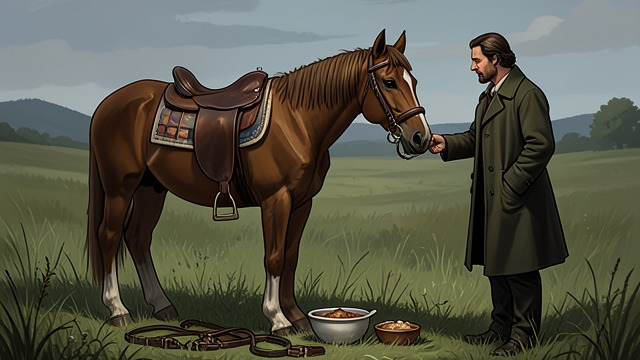
A Fair Breaking-In
Gradual Learning
Squire Gordon introduces saddle, bridle, shoes, and harness gradually, using patience and food to reduce fear. Black Beauty learns what is expected without force.
Preparation for the World
A stay near a railway lets him become accustomed to trains before he encounters them in service. Training anticipates fear instead of punishing it.
The episode presents informed preparation as a practical form of kindness.
Ginger’s History Understood
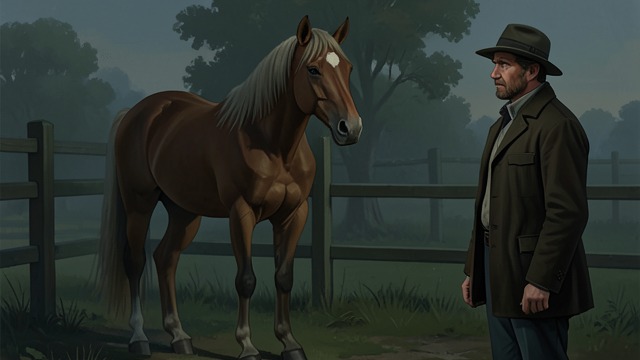
Ginger’s History Understood
Conduct Has Causes
Ginger explains that harsh training and later restraints helped shape her distrust. Black Beauty initially doubts her account, then observes her becoming calmer at Birtwick.
Revised Judgment
John Manly’s patience and James Howard’s response after being bitten show that trust can be rebuilt. Ginger’s behavior is interpreted as a history, not a fixed identity.
Understanding changes how people approach her.
The Bridge Warning
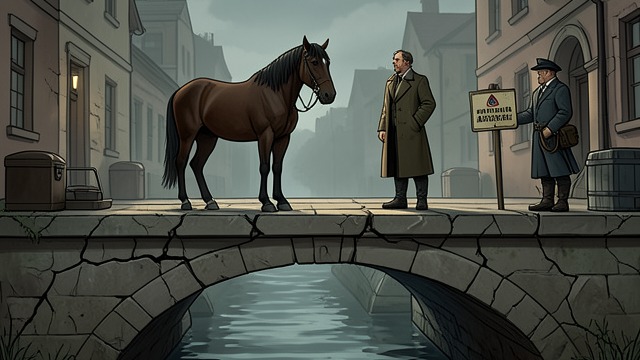
The Bridge Warning
Instinctive Refusal
Black Beauty stops at the flooded wooden bridge despite Squire Gordon’s urging. John Manly notices that the refusal may have a reason and investigates.
Danger Confirmed
The toll keeper warns that the bridge has broken in the middle. Black Beauty’s instinctive caution saves horse and riders from the river.
The episode challenges the assumption that human reason always outranks animal perception.
The Stone in the Shoe
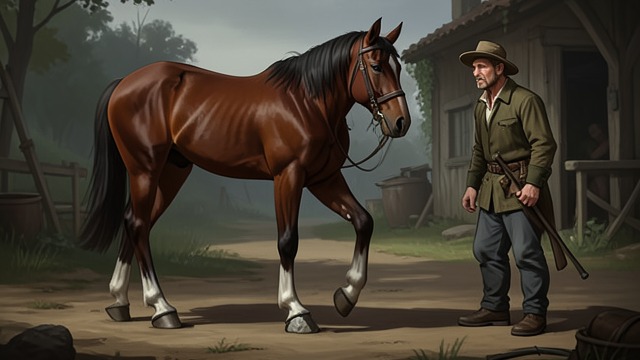
The Stone in the Shoe
Pain Misread
A careless driver continues while Black Beauty limps, accusing him of laziness. The horse cannot explain that a sharp stone is wedged in his hoof.
Attention Makes the Difference
A farmer recognizes the problem, removes the stone carefully, and advises a gentler pace. The contrast is not specialized authority but willingness to observe.
Practical attention prevents pain from becoming further injury.
Joe’s Recognition
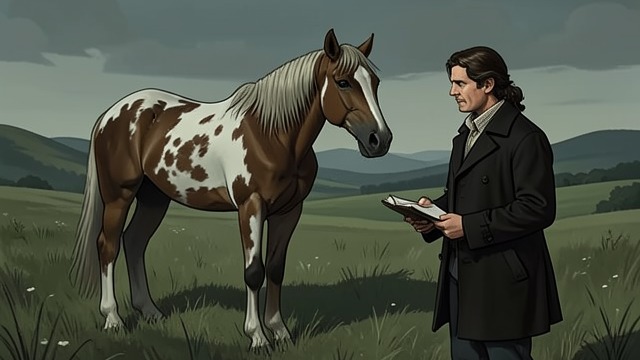
Joe’s Recognition
Reading the Evidence
Joe Green identifies Black Beauty through distinctive markings and remembered details. His knowledge comes from having cared for the horse closely as a young groom.
Knowledge Becomes Protection
Recognizing the old horse lets Joe advocate for him at his new home. The relationship between observation and responsibility completes the novel’s argument for informed care.
Understanding is shown as an active duty, not merely a feeling.
When Black Beauty turns four
During her early conversations with Black Beauty
During the autumn storm
During Black Beauty’s job-horse period
Near the ending
