Animal Welfare and Humane Treatment
Black BeautyAnimal Welfare and Humane Treatment is more than a plea for kindness in Black Beauty: it is a standard by which training, work, medical care, and human responsibility are measured. Told through a horse’s account of his own life, the book gives animal experience the force of testimony. Black Beauty’s memories show that humane treatment depends not only on good intentions, but also on understanding what a horse needs and acting when those needs are disregarded.
Care as a Foundation
The first lessons in care come from Black Beauty’s early home. Duchess advises her young son to grow up gentle, do his work willingly, and avoid learning harmful habits even in play. Her counsel joins good conduct to the kind of life a horse should be able to lead; her own example matters because Black Beauty remembers her as a horse who neither kicked nor bit. The young horse also sees care embodied in a kind master who provides good food and shelter and addresses the horses with kindness. These ordinary routines establish welfare as a daily relationship, not an abstract principle reserved for moments of crisis.
Black Beauty’s early training extends that principle to the handling of animals. At four years old, he is examined by Squire Gordon, but his master insists on breaking him in himself so that he will not be frightened or hurt. The new bit and bridle are uncomfortable to Black Beauty, yet coaxing, oats, pats, and gentle handling help him accept them. His account distinguishes the necessary teaching of a working horse from needless fear: patient introduction and attention to the horse’s response make the difference. Later, Duchess warns that good, thoughtful people are not the only ones who own or drive horses. Carelessness and ignorance can cause harm even without deliberate cruelty, so good treatment requires knowledge as well as benevolent feeling.
Welfare in Work and Management
The book defines a horse’s welfare through the conditions of labor as well as through overt acts of kindness. Black Beauty describes breaking in as learning to wear tack, pull a vehicle, and follow a driver’s directions, while being expected to suppress ordinary impulses and continue even when tired or hungry. The account makes the demands of human use plain, and thereby raises the question of how far control can be imposed without regard for the animal’s limits. The contrast with his careful early training suggests that a horse’s usefulness does not excuse disregard for its comfort or capacity.
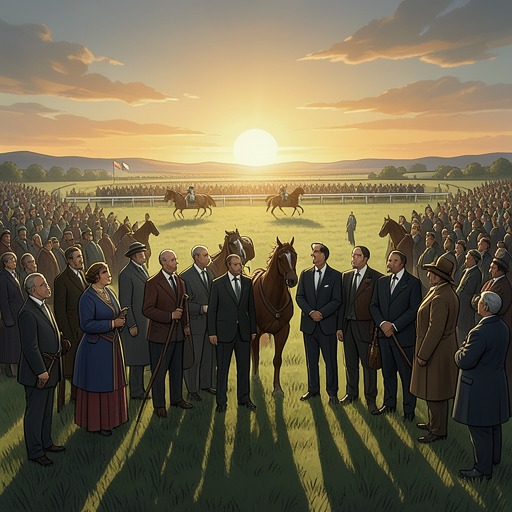
At Birtwick Park, humane treatment becomes a shared household and community practice. Black Beauty describes Squire Gordon and his wife as kind to animals as well as people, and notes that their servants follow the same example. Their concern reaches beyond their own horses: children known to mistreat animals are corrected, while Squire Gordon and Farmer Grey have worked for years to end the use of check-reins on cart-horses. The mistress also stops to speak with drivers whose horses are forced to hold their heads unnaturally high. These episodes connect private compassion to public persuasion, treating harmful custom as something that can be questioned and changed.
The consequences of poor management appear in Black Beauty’s later experience with Mr. Barry. Because his groom rarely exercises him, feeds him as though he were doing hard work, and fails to provide suitable changes in food, Black Beauty becomes unwell. A farrier identifies thrush and associates it with an inadequately cleaned stable. After the horse’s feet are cleaned and treated, and his bedding and diet are improved, his spirits return. The episode makes the causal chain concrete: an owner’s reliance on an incompetent groom can affect a horse’s health, while informed attention to its housing, exercise, and feeding can help restore it. Mr. Barry, having been deceived by his grooms, decides to stop keeping a horse and hire one when needed; Black Beauty is sold once his feet are sound.
From Sympathy to Intervention
The book presents sympathy as ethically incomplete unless it leads to action. In the story James Howard recalls from his schooldays, he confronts a boy who has harmed flies, and the schoolmaster condemns cruelty to the weak and helpless. John Manly then affirms the wider principle that kindness to animals belongs within any genuine religious or moral life. The episode places animal welfare within a broad standard of character: how a person treats a vulnerable creature reveals the practical meaning of professed goodness.
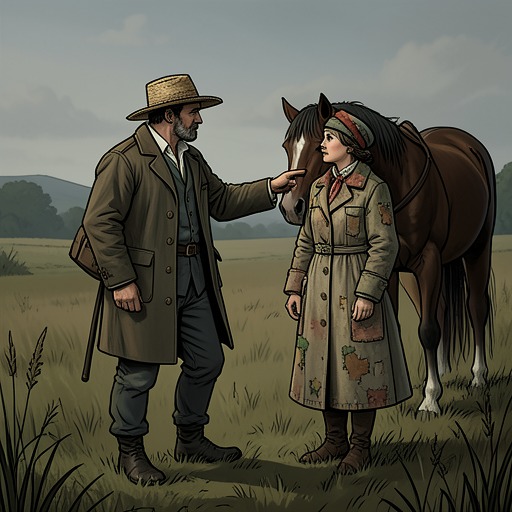
That standard becomes a direct obligation for Joe Green. When he sees a carter mistreating horses at a brick-yard, Joe tells the man to stop and seeks help from the local authority. He agrees to give evidence if the case is brought before a magistrate. John Manly praises the decision, emphasizing that cruelty is everyone’s concern when it is witnessed. The episode gives intervention a sequence: notice the abuse, attempt to stop it, report it, and be prepared to testify. It also shows that speaking up is possible even for a young person who is usually quiet.
In London, Jerry Barker hears a similar argument from a gentleman who reports mistreatment he discovers and urges others not to leave wrongdoing unchallenged. The gentleman’s view links the treatment of horses to civic responsibility: a witness who has the power to prevent cruelty but chooses inaction shares in the moral failure. Across these encounters, the book moves from individual kindness toward a public ethic of intervention, without suggesting that concern is meaningful only when it succeeds in securing a formal penalty.
Suffering, Care, and Consequences
Black Beauty’s illnesses and injuries also expose the difference between care that responds to need and care that arrives after damage has been done. After a demanding ride, he returns exhausted and is not initially given the warming care he requires. John Manly recognizes his distress, covers him, and prepares warm gruel; Black Beauty later develops serious lung inflammation and needs sustained nursing. The episode places the horse’s symptoms and recovery within the account of his work, while showing how attentiveness to his condition shapes the care he receives.
A later veterinary examination likewise distinguishes disease from the effects of overwork. After Black Beauty collapses on Ludgate Hill, a farrier tells Nicholas Skinner that the horse has been depleted by excessive work and would need a long period of rest to recover. Skinner refuses to provide that time and says he intends to work horses while they can continue and then sell them. The contrast is stark: the professional assessment recognizes a need for recovery, while the business decision treats the exhausted horse chiefly as an asset whose remaining value should be realized. Black Beauty is eventually bought by Mr. Thoroughgood, cared for, and able to recover enough to work again.
Narrative and Ethical Significance
The animal autobiography gives these principles particular weight because Black Beauty reports both the treatment he receives and its effects on his body, behavior, and ability to work. His account does not rely solely on human judgments about whether a horse is comfortable or capable; it repeatedly makes the animal’s experience central to the reader’s understanding. The contrast between patient handling, informed veterinary care, neglect, and overwork turns separate episodes into an argument about the conditions under which human use of animals can be humane.
The ending offers a limited but meaningful resolution. After a year in a happy home, Black Beauty says his strength and spirits are returning. Joe Green is his groom, Willie treats him as a special friend, and the household’s promise that he will never be sold removes the insecurity that has marked his life. The close recalls the orchard at Birtwick Park and his former companions there. In this final image, humane treatment means more than escape from immediate suffering: it includes reliable care, companionship, and a secure home.