Mr. Wright
Black BeautyMr. Wright is a regular passenger in Jerry Barker’s cab and a notably active defender of animals. His defining scene joins ordinary courtesy to public intervention: he allows Jerry time to finish his soup, then later crosses a street to stop a carter beating two horses. He treats concern for a working horse not as a private kindness alone, but as a responsibility that may require confronting a wrongdoer and making his conduct answerable to others.
Identity and Introduction
Mr. Wright enters the narrative through a small act of consideration. On a cold, windy day, Jerry is eating soup while Dolly Barker stands beside him. Mr. Wright approaches in haste, but when Jerry hands the basin to his daughter and starts to prepare the cab, the passenger asks him to finish his meal. He waits in the cab and offers to see Dolly safely across the pavement. The pause is brief, but it shows that Mr. Wright notices the needs of both the cabman and his child rather than treating their time and comfort as irrelevant to his own journey.
Jerry recognizes the gesture as unusual enough to explain its meaning to Dolly: Mr. Wright has made time for a working man’s comfort and a little girl’s safety. The incident establishes the terms of his character before his more forceful intervention appears. He is considerate without being patronizing, and his regard extends beyond the person carrying him to the horse working in the shafts.
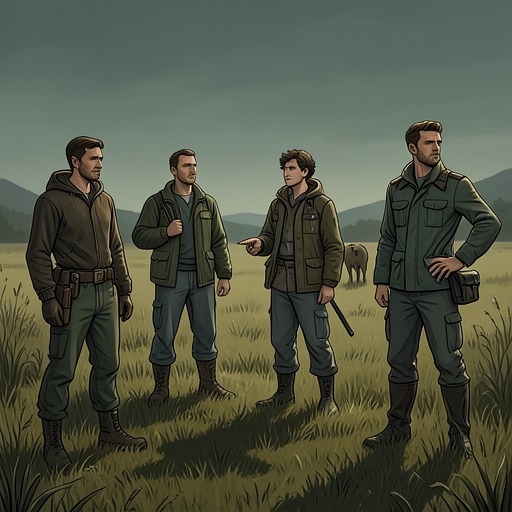
The narrator describes Mr. Wright as older, with a forward stoop, thin, firmly closed lips, a keen eye, and a bearing that suggests determination. His smile and voice are pleasant, but his kindness does not make him indecisive. Black Beauty observes that a horse could trust that voice, while its firmness matches the resolve visible in his manner.
Regard for Working Animals
Mr. Wright repeatedly notices animals that most passengers would overlook. When Jerry brings him to his own door, two or three dogs sometimes run out to meet him. He appears fond of dogs and horses, and he pats Black Beauty, remarking that the horse has a good master and deserves such treatment. The narrator contrasts this recognition with the indifference of the great majority of passengers, who are as unlikely to acknowledge a cab-horse as to pat a railway engine. Mr. Wright’s attention therefore carries particular weight: he sees the animal as a living worker, not merely as part of the vehicle that transports him.
His response also affirms Jerry’s conduct. Black Beauty is fortunate that Jerry owns and drives him, and Mr. Wright’s praise recognizes the care that relationship permits. The compliment is not directed only toward the passenger’s own comfort; it registers the horse’s treatment as something worth noticing in its own right.
Intervention Against Cruelty
Mr. Wright’s principles become action when he and another gentleman take Jerry’s cab to a shop in R—— Street. While his companion goes inside, Mr. Wright waits at the door. Nearby, two fine horses stand harnessed to a cart outside wine vaults, with no carter beside them. They begin to move away; the carter runs out, catches them, and beats them with whip and reins, including about their heads.
Mr. Wright crosses the street and warns the carter to stop, threatening arrest for leaving the horses and for brutal conduct. The carter, who appears to have been drinking, answers with abuse, but ceases striking the animals and takes the reins. Mr. Wright does not answer the abuse with violence. Instead, he quietly takes a notebook from his pocket and records the name and address painted on the cart. When the carter demands to know what he is doing, Mr. Wright gives no explanation beyond a nod and a grim smile. His note-taking turns an intervention in the moment into a record that could identify the person responsible afterward.
The passage does not report a later prosecution or establish what became of the carter. It does show that Mr. Wright intends his intervention to reach beyond the immediate interruption: he tells his companion that masters have thanked him for informing them how their horses were treated. The action is both protective and evidentiary, though the account leaves its eventual consequences unstated.
Ethical Principle and Narrative Role
Mr. Wright’s companion jokes that he has enough business of his own without troubling himself about other people’s horses and servants. Mr. Wright rejects that separation between private affairs and public wrong. He argues that people allow the world to remain bad when they attend only to their own business instead of standing up for the oppressed and bringing wrongdoing to light. After the men return to the cab, he states his principle more directly: when people have the power to stop cruelty or injustice and fail to act, they become participants in the guilt.
The narrative links this conviction to a practical sequence: Mr. Wright sees the abuse, speaks to stop it, records identifying information, and explains why intervention matters. His example also gives Jerry language for recognizing humane conduct; Jerry wishes there were more gentlemen like him in the city. Mr. Wright is not shown changing the law or guaranteeing a legal penalty. His significance lies instead in demonstrating how an individual passenger can use attention, authority, and a willingness to testify or report what he has witnessed. Through Black Beauty’s account, considerate treatment and active resistance to cruelty become connected duties: noticing the animal is the beginning, not the end, of responsibility.