
Chance, Memory, and Destiny
Black Box (Jennifer Egan Edition)This flow traces the story’s challenge to inevitability, connecting accidental turns in the narrator’s past with the uncertain decisions that shape her survival.
increasing Bearing strength in each event
 decreasing
Bearing strength in each eventdecreasingAn Accidental Classroom

A Life Turned by Chance
The wrong room
A classroom mix-up brings the narrator to a robotics course she had not meant to attend. She finds an empty seat beside a boy with very dark skin and beautiful hands.
The meeting will become important, but neither young person can know that at the time. The narrator later recognizes that essential relationships can begin without a plan.
No foregone conclusion
Looking backward can make a life seem destined to reach its present. The memory resists that narrative, placing chance rather than inevitability at the start of the couple’s shared life.
Shooting Stars on the Dock
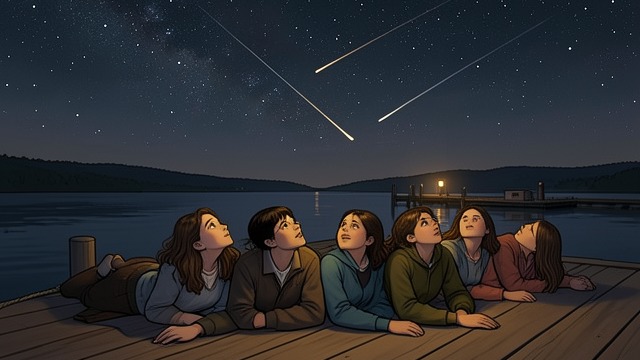
A Past Without the Future
A warm dock
The narrator remembers lying with girlfriends on a still-warm dock and watching shooting stars. At the time, the scene contains no visible promise of a future mission or a life transformed by danger.
The memory becomes vivid during her escape, when her body is in pain and the past returns without warning. It offers continuity while confirming how little she once knew about the life ahead.
Hindsight’s illusion
The narrator observes that hindsight makes events look inevitable. The dock reminds her that a life is assembled from moments whose significance is often visible only later.
The Childhood Explanation
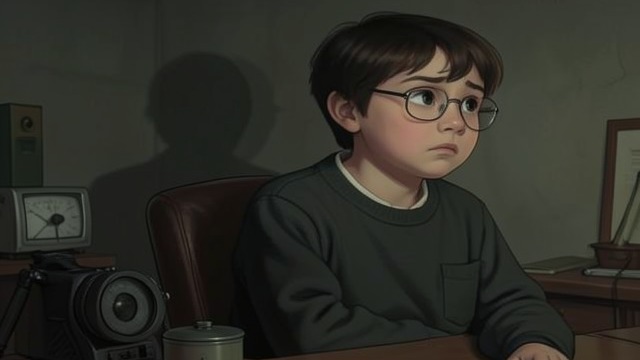
A Story That Seemed Certain
An account accepted
The narrator believes her father died before she was born. As a child, she does not have the knowledge to test the story and invests the moon with part of the absent father’s promise.
The explanation shapes her emotional world for years, appearing stable because no alternative has been offered. Its later collapse shows how a life can rest on a fact the person living it cannot verify.
Retroactive absurdity
In adulthood, the truth makes the story seem ludicrous in retrospect. The past has not changed, but the narrator’s understanding of its events has been reorganized.
A Mission Chosen Together
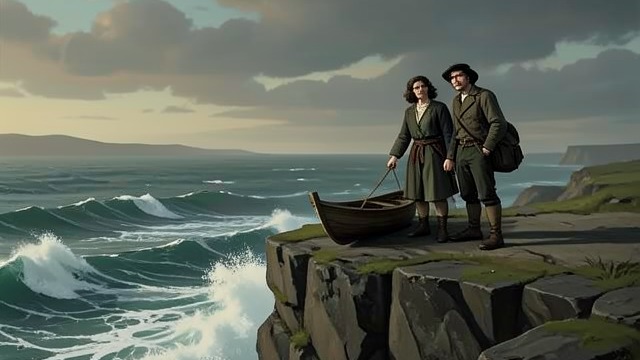
Chance Given Direction
A deliberate decision
Unlike the accidents that began her marriage, the narrator’s decision to serve is made with her husband. They believe she should undertake the mission before children enter their lives.
The choice creates a temporary direction for a life otherwise shaped by chance. It also exposes the couple to outcomes they cannot control, including the possibility that she will not return unchanged.
A vulnerable plan
They can agree on the purpose without knowing the cost. Their decision links private hopes to national service but cannot turn the future into a foregone conclusion.
The Unplanned Rescue
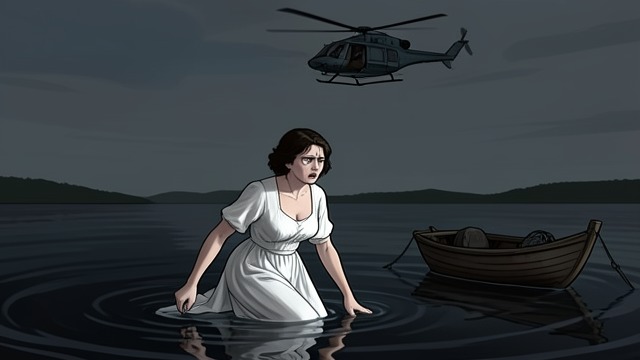
Survival at the Edge
A route made moment by moment
The narrator survives through a sequence of judgments: leaving the villa, finding a hidden boat, navigating while wounded, and reaching the designated Hotspot. None of these actions guarantees what will happen next.
The agency promises recovery at the Hotspot, but she cannot see the rescuers when she first arrives. Hope depends on a rule whose fulfillment remains outside her control.
A future reopened
The helicopter appears and makes survival possible, but it does not restore a predetermined life. The narrator returns to an uncertain future shaped by both accidents and choices.
during the narrator’s youth
during adolescence, in Upstate New York
during the narrator’s childhood
shortly before the assignment begins
near dawn, as the helicopter descends
