Black Box
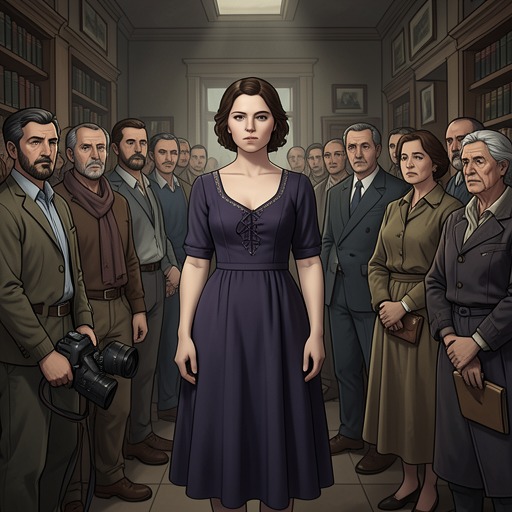
Black Box (Jennifer Egan Edition)Black Box names both a spy story and its central metaphor: the agent’s body is the mission’s sole record, making survival necessary not only for escape but for preserving what happened. The phrase joins the story’s physical stakes to its form, which unfolds through compact lessons rather than straightforward narration.
The Body as Record
The story’s instructions make the body an evidentiary object. “Your physical person is our Black Box; without it, we have no record of what has happened on your mission.” The metaphor gives the agent’s physical self an archival function: if she is captured, the account of the mission is at risk along with her freedom. The directive to remove herself from enemy possession follows directly from that premise.
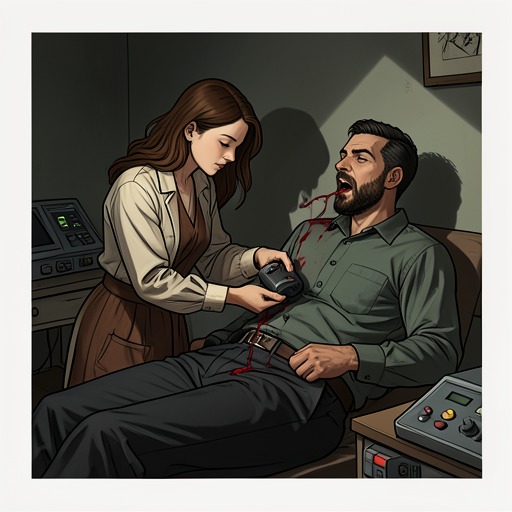
The term therefore carries a double pressure. The body is vulnerable to the danger surrounding the agent, yet it is also the means by which the mission’s events remain knowable. The Black Box is not presented as a separate device; it is the person whose survival preserves the record.
A Story Built from Lessons
The title also suits the work’s method of narration. Jennifer Egan’s original working title was Lessons Learned, and she hoped to shape the story around the lessons the narrator derives at each step rather than narrate the action straightforwardly. Its atomized units make instruction, rather than continuous scene-by-scene storytelling, the organizing principle. The Black Box thus suggests not only a record of events but a form that asks the reader to assemble those events from discrete directives.
Egan also considered the piece a possible candidate for serialization on Twitter, a format she had long been interested in exploring. She was drawn to the intimacy of reaching readers through their phones and to the poetry that might arise within 140 characters. The story’s compressed structure connects that interest in brief, mobile communication to the imagined agent’s need to carry a record within herself.
Cross-Genre Transformation and Composition
Egan described another impulse behind the story as taking a character from a naturalistic story and carrying her into another genre. She imagined a spy-thriller version of a character from A Visit From the Goon Squad. That transformation places the Black Box metaphor at the crossing of two modes: a character associated with one kind of fiction becomes the center of an espionage narrative organized around danger, instruction, and the preservation of mission knowledge.
The story’s form developed through an extended process of calibration. Egan wrote it by hand in a Japanese notebook with eight rectangles on each page, then spent a year controlling and calibrating the material into its final form. The page’s repeated compartments echo the story’s atomization, while the long process of shaping them underscores that its apparent brevity is carefully constructed rather than casual.