Continued Support on the Condition of Nonviolence
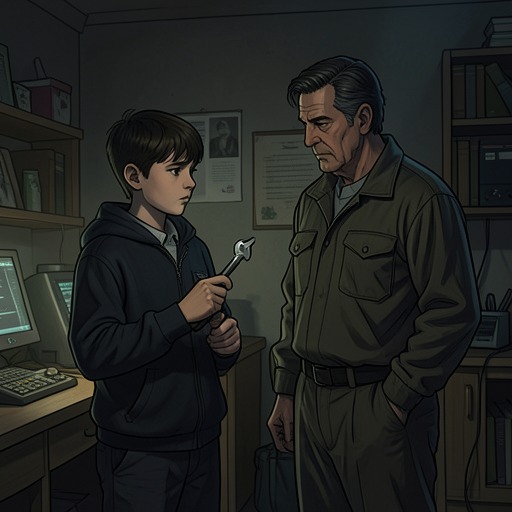
Black BoxContinued Support on the Condition of Nonviolence is the boundary Michel Sommo sets for helping Boaz Brandstetter: assistance remains available only if Boaz changes his behavior, and any further violence will end Michel’s willingness to support him. The condition turns practical help into both an offer of a future and a limit on what Michel will accept.
Terms and Scope
The condition concludes a letter that sets out several possible forms of help. Boaz may stay in the Fuchs family’s backyard shed, with Michel paying rent from Boaz’s father’s reparation money. Michel also offers to arrange Torah and trade studies in the liberated territories, pay for an optics course, or help Boaz find another job and live at home in Jerusalem. These are proposals rather than demands: Michel presents study as a choice, while making any assistance dependent on Boaz changing his conduct.
Enforcement and Consequences
Michel’s postscript makes nonviolence the decisive threshold. If Boaz commits even one further act of violence, Michel says that his mother’s tears will no longer persuade him to help. Boaz will have to continue without Michel’s support and face the consequences of his own course. The warning is directed specifically at Michel’s willingness to remain involved; it does not describe a formal legal penalty or establish what other members of the family will do.
A Conditional Offer
The condition balances assistance with accountability. Michel offers resources that could give Boaz options for education, work, and a place to stay, but refuses to let help become unconditional. The contrast between the range of possibilities in the letter and its hard final limit makes reform the price of continued support: Boaz is offered a way forward, but not protection from the consequences of renewed violence.