Michel forgives Gideon and invites him to Jerusalem
Black BoxMichel Sommo’s invitation to Alexander Gideon is both an apology and a practical offer of care. In a reply sent by Gideon’s driver, Michel withdraws the insults he had written two days earlier, urges the family to reunite at his home, and makes arrangements for Gideon to receive treatment at Hadassah Hospital. The letter’s urgency arises from Gideon’s grave illness; its language of repentance and forgiveness makes that crisis an occasion to reopen relationships damaged by anger.
The letter and its occasion
Michel writes in response to Gideon’s letter from that morning. The messenger Gideon sent is still at Michel’s home, drinking coffee, while Michel returns a few lines through him. The domestic detail places the exchange within an ordinary visit even as the message concerns a man Michel believes is on his deathbed. The letter is not a detached statement of goodwill: Michel addresses Gideon directly and answers a recent rupture between them.
Michel begins by asking pardon for the harsh and unnecessary insults in his previous letter. He explains that when he wrote, he did not know Gideon was desperately ill, and that he himself was in the grip of great grief. To frame the apology, he invokes the saying, “A man should not be blamed for words spoken in grief,” presenting his earlier attack as speech produced under distress rather than as a settled judgment. The explanation does not erase the insults; the request for pardon acknowledges that they require an answer.
An invitation with practical terms
As the Days of Awe approach, Michel proposes that Ilana Sommo and Yifat return home the following morning. He asks Gideon to come at once for appropriate treatment at Hadassah Hospital and invites him to stay with the Sommo family as their guest. Boaz, too, is to come: Michel describes staying close to his sick father and tending him at the bedside as Boaz’s sacred duty. The invitation therefore concerns more than a visit between two men. It imagines the separated family gathered around Gideon during his illness.
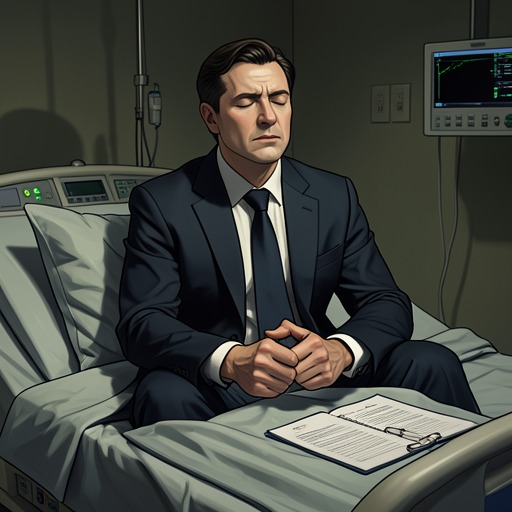
Michel pairs hospitality with a concrete medical plan. He has telephoned a cousin of his sister-in-law who works in oncology at Hadassah Hospital and arranged for Gideon to receive special treatment, with everything possible done for him. The letter offers neither a prognosis nor a guarantee of recovery. Instead, it names the hospital, identifies the connection Michel has used to seek additional care, and insists on urgency: Gideon should go without delay and stay with Michel’s family until then.
The invitation also specifies where Gideon should not stay. Michel rejects the alternatives of Manfred Zakheim’s home or a hotel, insisting that Gideon remain with the Sommos. His blunt dismissal of what “all sorts of people of uncircumcised heart say behind our backs” makes the offer openly resistant to outside judgment. Michel is not simply offering a bed; he is asking Gideon to accept care within the family, despite whatever others may say about the arrangement.
Repentance, prayer, and forgiveness
Michel situates the proposed reunion in the sacred time before the Days of Awe, when, as he writes, the gates of repentance and compassion are opened wide. He connects Gideon’s remorse and suffering with his heroism in the sanctification of the Name on the battlefields, then appeals to divine Mercy in expressing his belief that Gideon will be healed. Religious language supports both hope for recovery and the work of repairing human bonds; it does not remove the uncertainty of Gideon’s condition.
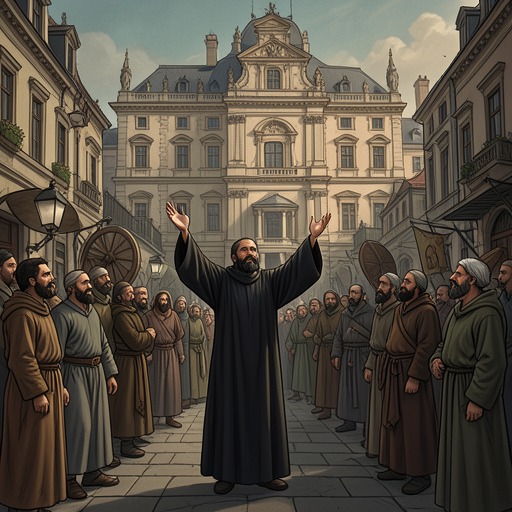
Michel plans to explain the affair to Rabbi Bouskila the following morning and ask him to arrange a meeting as soon as possible. He expects that the rabbi will understand the matter and give a blessing, which Michel says has already done wonders for seriously ill people. He also announces an immediate act of personal prayer: after the driver leaves with the letter, Michel will go to the Western Wall and place a note between its stones asking for Gideon’s recovery. The appeal to rabbinic counsel and the planned note make Michel’s concern active and specific, extending it beyond the invitation itself.
A proposed reconciliation, not a recorded outcome
Before closing, Michel asks Gideon to tell Ilana and Boaz that very evening that the two men have forgiven each other. He adds that he forgives Ilana and is sure Heaven will forgive them all. Forgiveness thus reaches beyond the original dispute between Michel and Gideon: the letter proposes a wider family settlement, linking the men’s mutual pardon to Michel’s forgiveness of Ilana and to the possibility of divine forgiveness. The letter records Michel’s declaration and request, not the others’ responses, so it does not establish that the reunion or reconciliation takes place.
The closing wishes Gideon a happy New Year and a perfect recovery, and sets aside any anger from the past. That combination gives the letter its decisive movement: it begins with an admission of injury and ends by offering care, prayer, hospitality, and a future without remembered anger. Michel’s invitation cannot undo the earlier conflict or promise that Gideon will recover, but it makes reconciliation a practical proposal, with a home, a hospital, a rabbi, and a journey to the Western Wall all named as parts of the response.