
The Dead Body on Television
Black Hawk DownThis flow follows the circulation of images of a dead American and their emotional and political consequences.
increasing Bearing strength in each event
 decreasing
Bearing strength in each eventdecreasingA Body in the Street
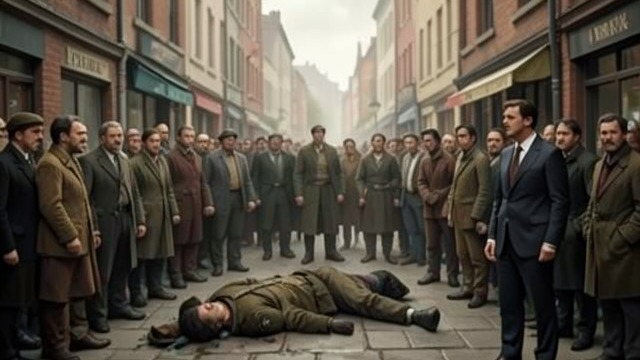
Public Violence
A Captive’s View
Michael Durant later learned that bodies of American soldiers had been dragged through Mogadishu. The images revealed the treatment of the dead and the anger surrounding the crash sites.
A Moment of Shame
Somali lawyer Bashir Haji Yusuf wanted to object to the abuse but feared the crowd. His hesitation reflected the power of collective anger over individual moral judgment.
The Images Reach America
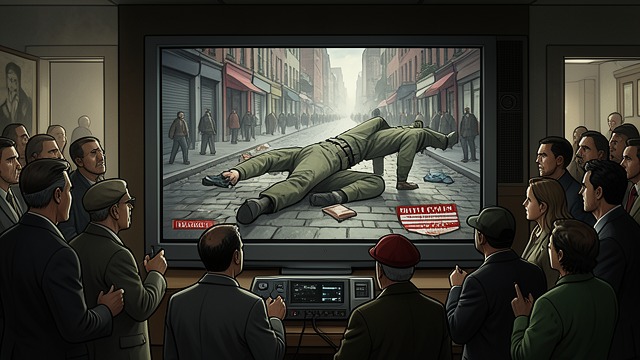
A National Audience Watches
Television Coverage
CNN showed images of a dead American being dragged through the streets. Soldiers at the base watched in silence, while President Bill Clinton saw the coverage and demanded answers.
Shock Becomes Pressure
The broadcast made the battle's humiliation and loss immediate to people far from Somalia. It intensified demands to explain the mission and reconsider its direction.
The Image Shapes Policy
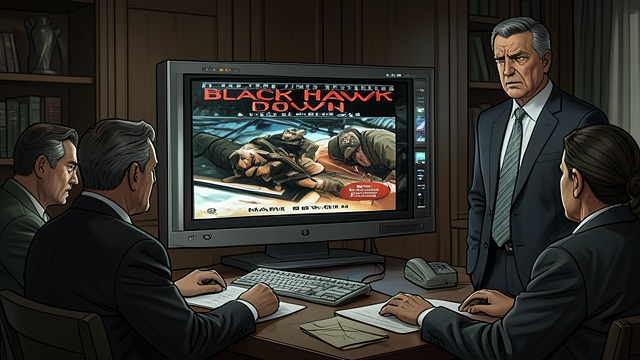
A Political Turning Point
Questions in Washington
The televised images accompanied reports of dead and wounded Americans and a captured pilot. Congress and the administration confronted the political consequences of the battle.
Withdrawal Follows
The government chose to end the pursuit of Aidid and withdraw. The images did not alone determine policy, but they helped make the human and political costs impossible to ignore.
October 3, 1993, night
October 4, 1993
October 4–6, 1993
