
The Captive as a Public Symbol
Black Hawk DownThis flow traces how Durant’s captivity turned one injured pilot into a focus of media, diplomacy, and policy.
increasing Bearing strength in each event
 decreasing
Bearing strength in each eventdecreasingRefusing the First Camera
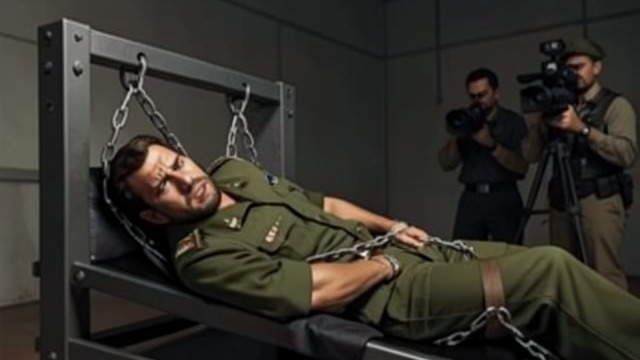
A Captive Declines
A Request in the Room
Durant's captors asked him to appear on video while he lay injured and chained. He refused, knowing that the camera could be used regardless of his wishes.
Guarding Information
His military training led him to offer little about himself or the mission. The refusal was one of the few decisions still within his control.
A Message to the World
Captivity on Camera
Controlled Answers
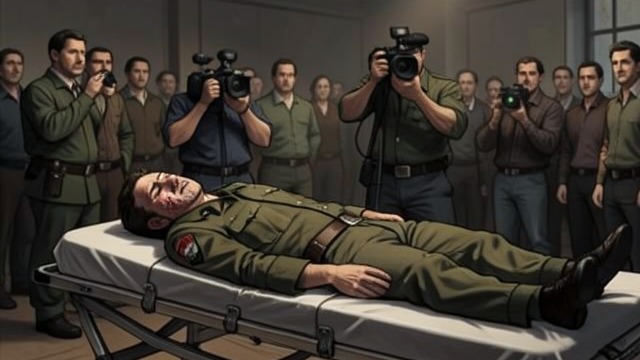
A camera crew questioned Durant about the mission and civilian deaths. He identified himself as a pilot rather than a Ranger and gave a restrained answer about innocent people being killed.
A Face Becomes News
His injured, swollen face appeared in international media. The image made the captive's condition a public concern and intensified pressure on American leaders.
Diplomacy Secures His Return
Negotiating for Release
A Direct Demand
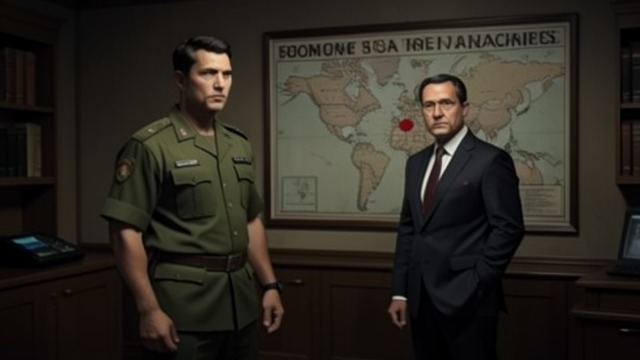
Robert Oakley carried Bill Clinton's demand for Durant's release to Mogadishu. He warned that continued captivity could bring renewed fighting.
Return with an Unresolved Cost
Durant was released, but his return did not restore the men lost at Super 64. His captivity had connected the battle's local violence to a national political crisis.
October 4, 1993
October 4, 1993, evening
October 6–14, 1993
