
Resistance Meets Retaliation
Black Hawk DownThis flow traces the escalation between American forces and Aidid’s supporters as each side interprets the other’s actions as a threat.
increasing Bearing strength in each event
 decreasing
Bearing strength in each eventdecreasingA Campaign Against Aidid
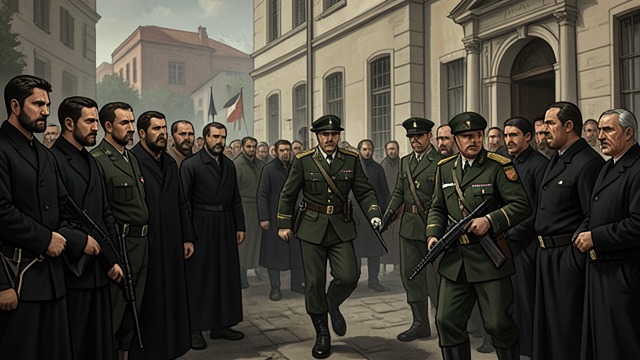
Targeting a Political Network
Raids and Arrests
American forces pursued Mohamed Farrah Aidid and members of his organization. Raids and arrests generated anger among Habr Gidir supporters and local residents.
Escalating Hostility
The operation's security rationale did not prevent it from being experienced as a repeated assault on the community. Resentment helped create the conditions for determined resistance.
A Street Defense Forms
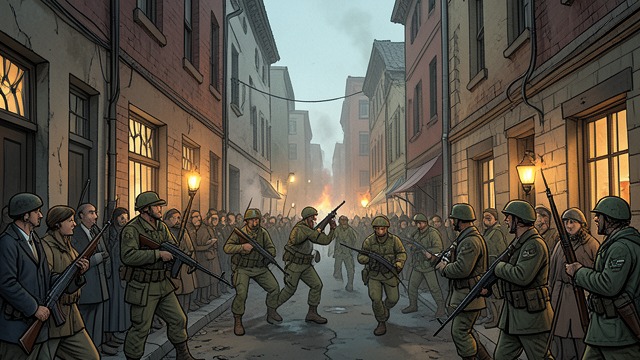
Armed Response
Fighters Converge
Militiamen and neighborhood fighters moved toward the raid as crowds gathered. They used alleys, buildings, and roadblocks to oppose the American movement.
The Conflict Expands
The American force expected resistance but faced a citywide mobilization. Each attempt to extract troops brought more fire, while the attackers viewed the intervention as a defense of their own territory.
Retaliation Becomes a Strategic Dead End
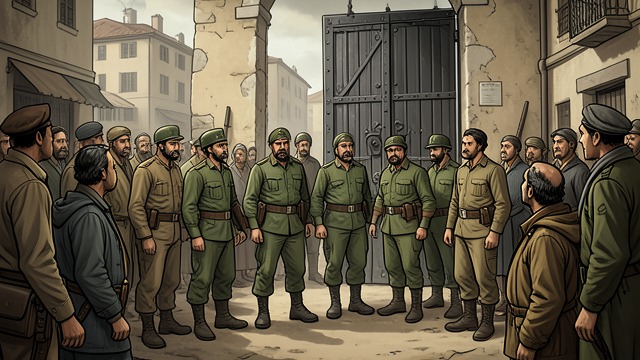
The Price of Continuing
A Military Assessment
American commanders believed Aidid's network had suffered a serious blow, but public and political patience had collapsed. The battle's losses made further pursuit difficult to defend.
Withdrawal
The United States ended its effort to capture Aidid and planned to leave. The escalation had weakened both the intervention's practical support and the possibility of a political resolution through force.
Summer 1993
October 3, 1993, afternoon
October 4–6, 1993
