
The City After the Fighting
Black Hawk DownThis flow traces Mogadishu’s shift from battlefield to contested memory and the political afterlife of the American departure.
increasing Bearing strength in each event
 decreasing
Bearing strength in each eventdecreasingA Night without Normal Routes

The City Is Disrupted
Blocked Movement
Buses stopped, streets were barricaded, and residents struggled to travel. Helicopters and gunfire kept the city unsettled long after the raid's initial insertion.
Daily Life Under Fire
Residents still sought relatives, medical care, and burial places. The fight disrupted civic routines without stopping the needs that made those routines necessary.
American Forces Prepare to Leave
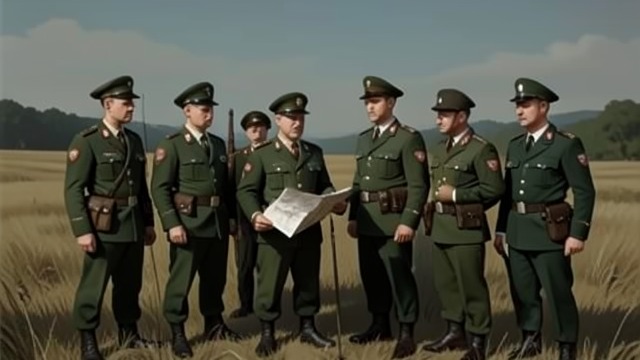
A Strategic Reversal
Ending the Pursuit
The United States announced it would stop trying to capture Aidid and withdraw its forces. The policy changed even as Task Force Ranger remained temporarily to organize a departure.
A Local Interpretation
Somalis could view the withdrawal as proof that resistance had succeeded. American officials viewed it as a response to casualties, political limits, and a mission that had lost support.
A Pyrrhic Victory
Conflicting Endings
A Victory Remembered
Many in Mogadishu commemorated the day as a victory, while American accounts emphasized sacrifice and the rescue of survivors. The same event sustained sharply different narratives.
Loss Beyond the Verdict
Thousands of people were killed or wounded across the battle's effects, and the political conflict continued. Calling the outcome a victory could not resolve the damage or the competing claims to home and authority.
October 3, 1993, night
October 6, 1993, and the following months
After the American withdrawal
