
The Final Return to Duty
Black Hawk DownThis flow follows the soldiers’ impulse to resume work after the battle and the tension between readiness and grief.
increasing Bearing strength in each event
 decreasing
Bearing strength in each eventdecreasingCleaning Weapons
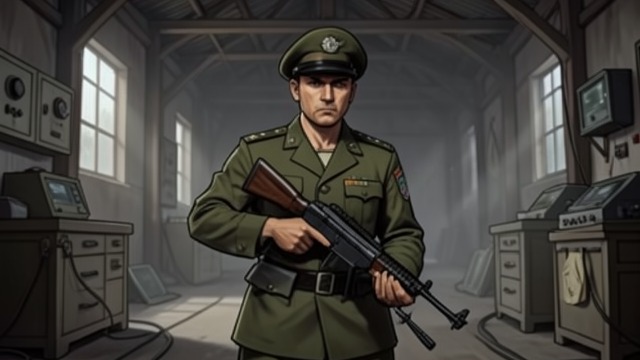
Familiar Tasks After Combat
The Hangar Reopens
After watching disturbing images on television, soldiers returned to the hangar and cleaned their weapons. The routine offered a task when the emotional meaning of the night remained difficult to face.
Anger and Resolve
Paul Howe was ready to return to the city and fight without restraint. His response reflected grief and anger, while also showing how the battle could harden a soldier's view of the people around him.
The D-boys Prepare Again
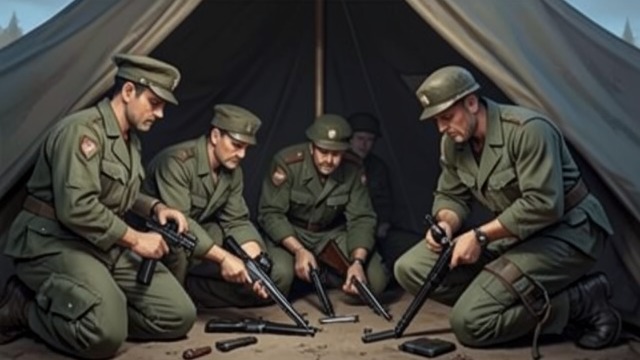
Readiness Amid Loss
Gear and Ammunition
Some commandos began cleaning weapons, restoring equipment, and preparing for another mission. Their disciplined routine suggested a refusal to let the battle end their professional identity.
No Easy Return to Normal
The soldiers were angry, exhausted, and grieving. Readiness did not mean that the previous day's images or the losses had been absorbed.
The Work of Remembering
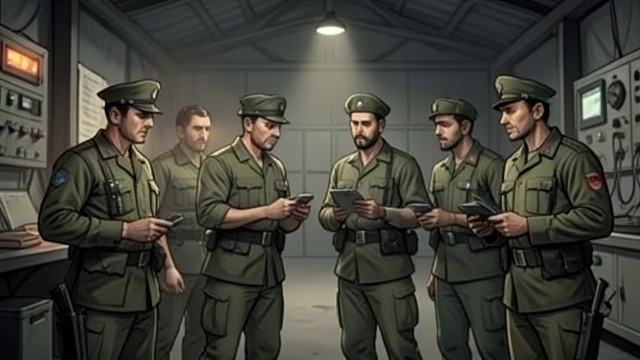
Stories Become a Record
Sharing What Happened
Survivors exchanged accounts in the hangar, assembling an informal history of the battle. Their stories preserved both tactical details and personal moments of fear and loss.
A Unit Carries Its Dead
The men returned to service, but their memories remained tied to friends who had not returned. The act of remembering became part of the bond among those who survived.
October 4, 1993, morning
October 4, 1993, morning
After October 4, 1993
