
From Capture Mission to Withdrawal
Black Hawk DownThis flow traces how a tactical raid reshaped American policy and ended the Somalia mission.
increasing Bearing strength in each event
 decreasing
Bearing strength in each eventdecreasingAn Ambitious Intervention
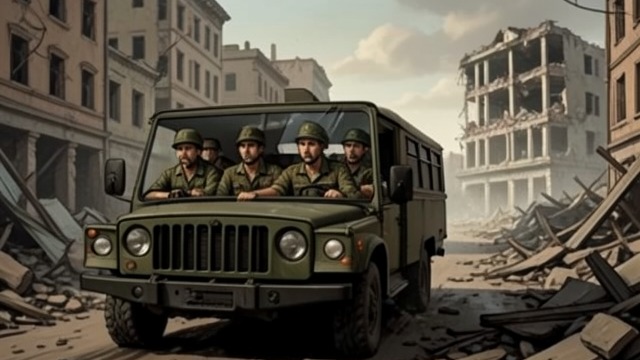
Nation-Building in Somalia
A Larger Mission
The American presence formed part of an international effort shaped by hopes for humanitarian relief and a New World Order. Task Force Ranger's pursuit of Aidid increasingly placed it in direct conflict with local power.
A Narrow Objective
The October raid sought two clan leaders, but it unfolded in a city where the broader intervention had already generated anger and resistance.
The Battle Changes the Debate
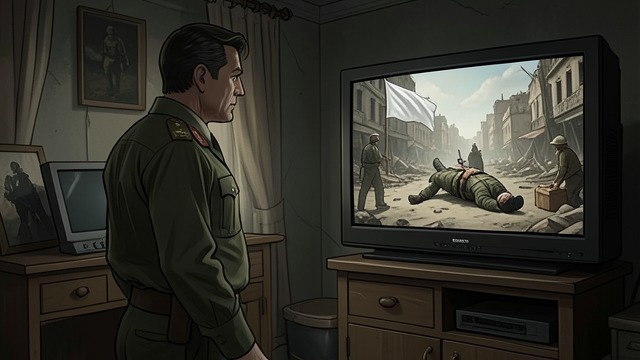
Washington Confronts the Losses
Public Shock
Images of a dead American dragged through Mogadishu and reports of heavy casualties forced officials to confront the cost of the operation. Michael Durant remained captive as the crisis reached Washington.
Reconsidering the Mission
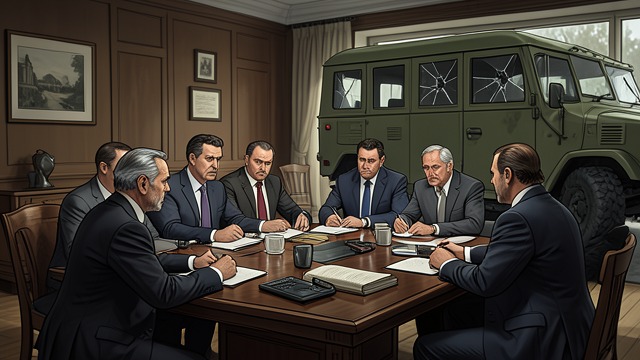
Bill Clinton and his advisers debated what could still be achieved. The battle had transformed a military problem into a political emergency.
Withdrawal Ordered
The Mission Ends
A Decision to Leave
The administration decided to end the effort to capture Aidid and withdraw Task Force Ranger by March 1994. Robert Oakley carried the policy message to Mogadishu as he worked to secure Durant's release.
Strategic Consequence
American soldiers returned home within a month, and the operation's immediate purpose was abandoned. The battle became a turning point in the American mission in Somalia.
Before October 3, 1993
October 4–6, 1993
October 6, 1993, and the months afterward
