
The Unfinished Meaning of Victory
Black Hawk DownThis flow follows the battle’s unresolved interpretations, from military praise to the eventual recognition that both sides paid heavily.
increasing Bearing strength in each event
 decreasing
Bearing strength in each eventdecreasingA Military Assessment
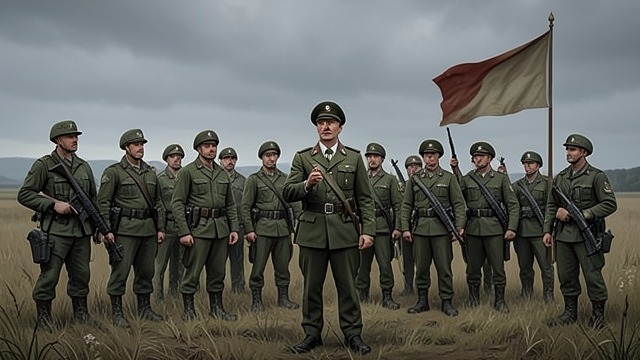
Tactical Courage and Strategic Loss
Praise for the Soldiers
American leaders described the soldiers as having fought valiantly. Colin Powell argued that no one had done anything wrong militarily and characterized the battle as a bad afternoon.
A Larger Question
The military assessment could coexist with the reality that the mission failed to secure a durable political result. Tactical competence did not settle whether the intervention had been wise.
A Local Day of Victory
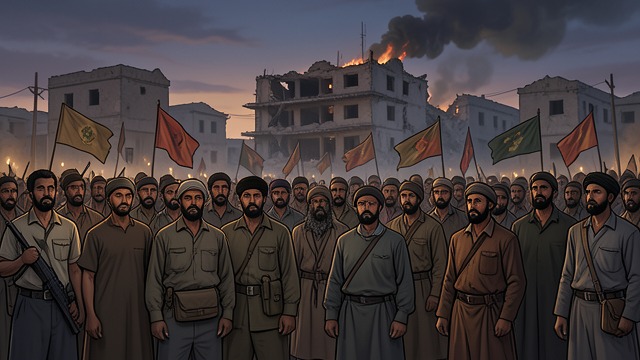
Ma-alinti Rangers
Somali Commemoration
Many in Mogadishu regarded October 3 as a national victory. The memory centered on resistance to the foreign force and the defense of the city.
A Different Moral Emphasis
That commemoration did not erase the civilian casualties or the damage to homes and neighborhoods. It reflected a different answer to the question of what the battle had been about.
A Pyrrhic Conclusion
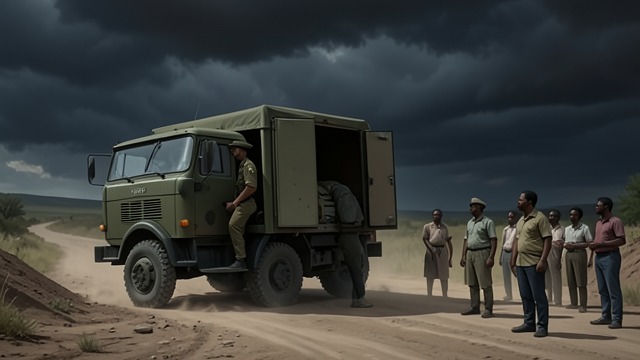
Neither Side Escapes the Cost
American Withdrawal
The United States left after the battle, and its pursuit of Aidid ended. The operation helped terminate the American mission rather than complete its stated political objective.
A Costly Memory
Somali and American accounts remained sharply different, while death and injury crossed the boundary between them. The battle's most durable meaning was its unresolved cost rather than an uncontested victory.
After the battle
After the American withdrawal
The closing aftermath
