Digfer Hospital
Black Hawk DownDigfer Hospital emerges as both a place civilians sought for shelter during the fighting and a medical institution confronting an immense wave of casualties. The account gives no bed count or detailed description of its wards, but identifies it as one of the city’s major hospitals and says its numbers of wounded exceeded those at Volunteer Hospital.
A refuge during the fighting
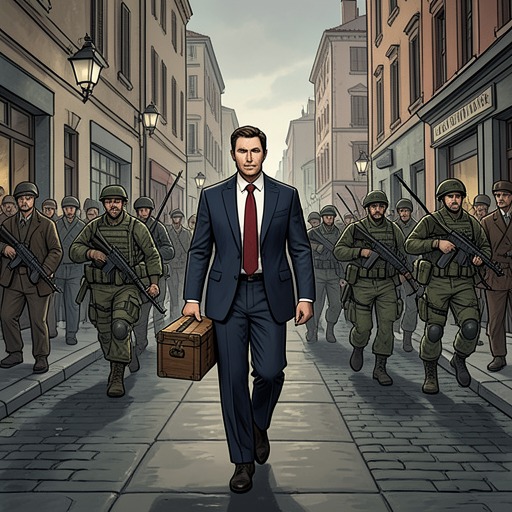
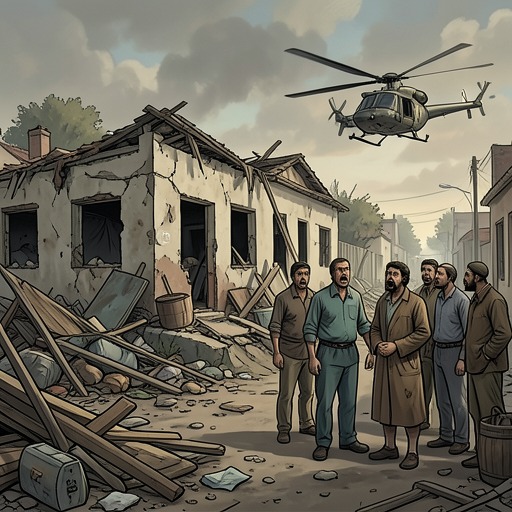
When American helicopters opened fire on a garage in southern Mogadishu, businessman Kassim Sheik Mohamoud ran to Digfer Hospital to hide. Militiamen were concealed inside the garage compound, and he knew the site might be bombed; he believed the Americans would not fire on a hospital. He remained at Digfer for two hours, while gunfire made the city sound as if it were exploding.
As dusk approached, Kassim’s men brought news that two of his employees had been killed. Because his Islamic faith required the dead to be buried before sundown, he left the hospital and returned to the garage to lead a burial party. Digfer offered temporary shelter, not an escape from the obligations and losses drawing him back into the city.
Among Mogadishu’s overwhelmed hospitals
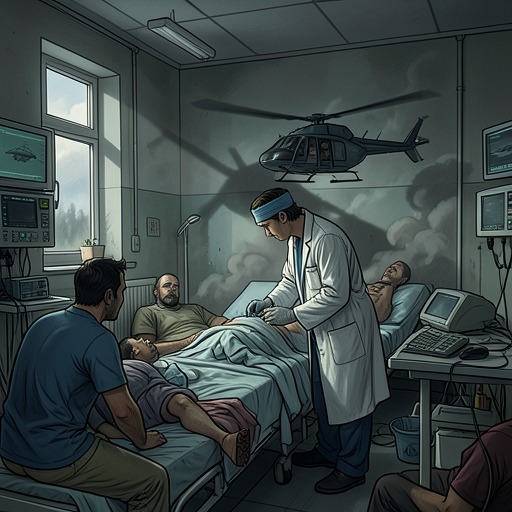
The book places Digfer within a citywide medical crisis. Volunteer Hospital, near the American base by the airport, had been almost empty before the fighting; fear of going there kept many Somalis away after it began. By the end of October 4, all 500 of its beds were occupied, with at least 200 more wounded people in the hallways. The account says the numbers at Digfer were even greater, marking it as a major destination for the wounded without assigning it Volunteer’s specific bed or hallway figures.
The wider hospital burden was compounded by delays in bringing people for treatment. Many more wounded arrived on October 4 than on the previous day, and infections had time to set in; the antibiotics available could no longer successfully treat some of them. The passage notes that most patients with gut wounds would die, conveying the severity of the emergency surrounding Digfer as well as the other hospitals receiving casualties.
Civilian vulnerability and narrative significance
Digfer’s brief appearance links the hospital crisis to the choices civilians made under fire. Kassim’s decision to seek shelter there rested on his expectation that a hospital would be spared, while his return to the garage was driven by the deaths of his employees and the need to bury them before sundown. The hospital is therefore more than a marker of casualty totals: it is a temporary refuge within a city where even basic duties, including caring for the dead, had to be carried out amid continuing danger.