National Literacy Foundation of America
Black Water (Joyce Carol Oates Edition)The National Literacy Foundation of America is the volunteer program in which Kelly Kelleher teaches adults in Roxbury to read. The Foundation gives her a practical setting for her idealism, but the narration also makes visible the limits and tensions within that idealism: she is zealous about the work while conscious of her condescension and afraid of the streets around it.
Program and Teaching
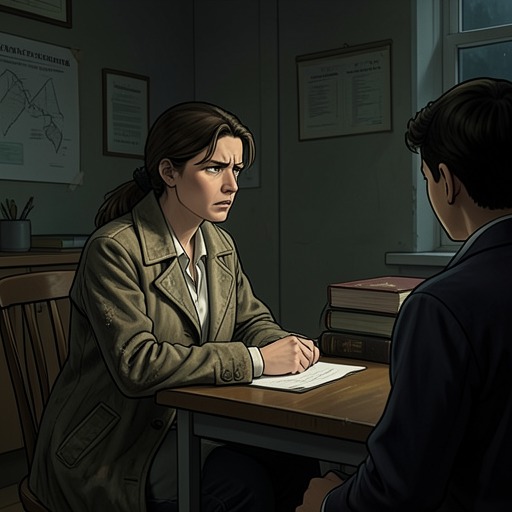
A volunteer for only a few months, Kelly drives twice weekly, on Tuesdays and Thursdays, from her condominium behind Beacon Hill in Boston to an ill-ventilated community services center in Roxbury. The arduous journey is part of a routine she maintains even in summer. Her classes begin at 7 p.m. and end at 8:30, though sometimes they trail off ambiguously rather than conclude cleanly.
Kelly works with several Black adult learners, using primer texts in an effort to teach them to read. Asked how much progress the class is making, she answers with a smile, “Some!” The small, qualified answer resists any easy portrayal of the work as a sweeping success: her teaching is earnest, but its progress is partial.
Commitment and Ambivalence
Kelly feels enthusiasm and zeal for the volunteer work, yet those feelings coexist with what the narration calls a “priggish self-righteousness.” Her impulse to help is mixed with Caucasian condescension, not simply separable from it. The account also records her visceral fear of physical threat: she does not describe the community services center itself as dangerous, but fears the surrounding streets of Roxbury and the debris-strewn expressway, where she feels vulnerable in her white skin.
That combination qualifies her experience. The work is neither dismissed as insincere nor presented as uncomplicated benevolence: Kelly makes a sustained effort to teach while recognizing, however incompletely, the assumptions and anxieties accompanying her effort. She has not told her parents about the volunteering by midsummer and rarely mentions it to friends, keeping the experience largely outside her ordinary accounts of herself.
The Senator and Narrative Significance
Kelly does not mention the volunteer work to The Senator during their several conversations at Buffy St. John’s gathering. The narration suggests that she may hope not to appear to him as the zealous volunteer type with whom a successful politician would be contemptuously familiar, but marks this explanation as uncertain. Her silence therefore reveals how she manages the presentation of her convictions in a political setting: the work matters to her, but she does not make it part of the identity she offers him.
The Foundation is significant chiefly through this contrast between public-minded action and private unease. Kelly’s recurring journey, her modest account of her students’ progress, and her reluctance to discuss the work show both the reality of her commitment and the limits she has not resolved. The organization is not described through its administration or policies; it enters the story through the specific, imperfect labor of one volunteer.