Roxbury
Black Water (Joyce Carol Oates Edition)Roxbury is the Boston neighborhood where Kelly Kelleher makes a demanding twice-weekly drive to teach adult literacy classes. The neighborhood is not merely the destination of her volunteer work: the streets surrounding the classroom make her confront the limits and contradictions of her own benevolence, while her decision not to discuss the work reveals how carefully she manages her image.
Setting and Volunteer Work
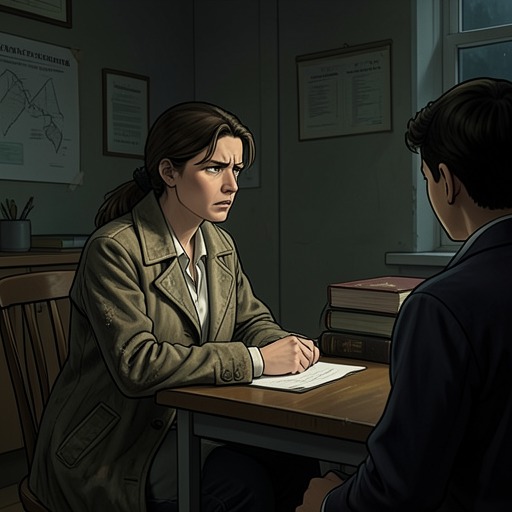
On Tuesdays and Thursdays, including during summer, Kelly drives her secondhand Mazda from her condominium behind Beacon Hill to a poorly ventilated community services center in Roxbury. She has volunteered for only a few months with the National Literacy Foundation of America, teaching Black adults to read from primer texts. Classes begin at 7 p.m. and are scheduled to end at 8:30, though sometimes they taper off ambiguously rather than concluding cleanly.
Asked how much progress she and her several students are making, Kelly answers with a smile, “Some!” The modest reply captures the uncertain scale of the work: she brings enthusiasm and zeal, but the passage does not present literacy teaching as a quick or easily measured success.
Fear and Ambivalence
Kelly’s experience in Roxbury is qualified by feelings she finds difficult to reconcile. She recognizes a priggish self-righteousness in herself, and a Caucasian condescension mingles with a genuine, visceral fear of physical harm. She locates that fear not in the community services center itself, but in the surrounding streets, in what she perceives as desolate Roxbury, and along the debris-strewn expressway she must travel.
Her awareness of her vulnerability as a white woman does not resolve the tension between service and condescension. Instead, the narrative keeps both present: Kelly is sincerely committed to the classes and at the same time uneasy about the setting, conscious that her charitable identity may carry assumptions she would rather not claim.
What Kelly Keeps Unsaid
By midsummer, this ambivalence has kept Kelly from telling her parents about the work, and she rarely mentions it to her friends. She also leaves it out of her several conversations with The Senator at Buffy St. John’s gathering. The omission is deliberate, though she cannot quite explain it to herself: she may want to avoid appearing to him as the zealous volunteer type, someone a successful politician would be contemptuously familiar with, and to be seen as another kind of woman instead.
Roxbury therefore enters the story both as a real destination in Kelly’s weekly routine and as a concealed part of her self-presentation. The work demonstrates a commitment she does not simply fabricate, but her reluctance to speak of it shows that she is also negotiating how that commitment will be read by other people.