
The Fragility of Optimism
Black Water (Joyce Carol Oates Edition)This flow traces optimism as a political conviction, a personal coping strategy, and finally a hope unable to overcome physical danger.
increasing Bearing strength in each event
 decreasing
Bearing strength in each eventdecreasingA Political Slogan

Optimism as Commitment
A maxim from work
Kelly Kelleher knows Carl Spader’s belief that a person in politics must be an optimist. The saying frames public work as an activity sustained by hope rather than certainty.
A fragile boundary
The related warning that the loss of optimism means political death makes hope sound both necessary and vulnerable. Kelly’s later defeat will test the maxim personally.
The Defeated Campaign
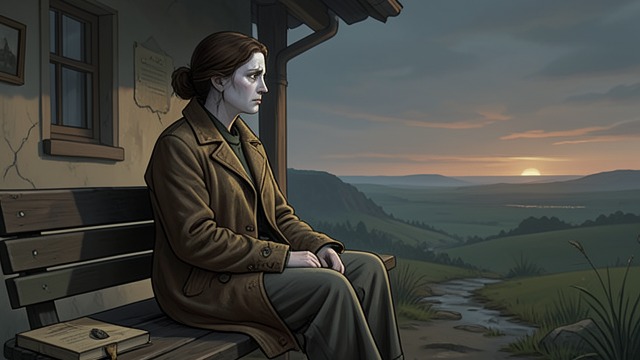
Optimism Wounded
An unexpected result
Kelly Kelleher is devastated by the election outcome she had believed the public would reject. She struggles physically and emotionally after the result.
A belief revised
The loss shows how political hope can be sincere and mistaken at the same time. Kelly’s commitment survives, but it is no longer protected by confidence that the right outcome is obvious.
Rebuilding Routine

Ordinary Recovery
Small acts of care
Kelly Kelleher resumes regular meals, gains back weight, and sleeps without pills. These choices rebuild her capacity for ordinary life after emotional hardship.
Hope made practical
Recovery does not require certainty about love or politics. It consists of repeated, modest actions that let her believe another day can be lived.
Optimism in the Car

Belief as Survival
A refusal to surrender
Kelly Kelleher tells herself she is strong and will survive. Memories of Lisa Gardiner’s rescue and her own promise to live support that conviction.
Hope tied to evidence
The air bubble seems to confirm that endurance might work. Kelly’s hope is not merely a slogan; she tries to convert it into breathing, movement, and attention.
Hope at the Limit

Survival Not Guaranteed
An imagined return
Kelly Kelleher pictures herself reaching the surface and rejoining the people she loves. Her mind continues to make a future even as her body fails.
The moral distinction
Her death does not make her hope foolish. It reveals the difference between optimism as a way to endure and optimism as a power capable of changing physical facts.
During Kelly’s early political work
After the 1988 presidential election
The year before the Fourth of July
During the first part of the drowning
Near the ending
