
Deception, Chance, and Command
BlackwaterThis thread explores how the story presents uncertainty as both a danger and a resource that commanders must manage without ever fully controlling it.
increasing Bearing strength in each event
 decreasing
Bearing strength in each eventdecreasingNo Certain Picture
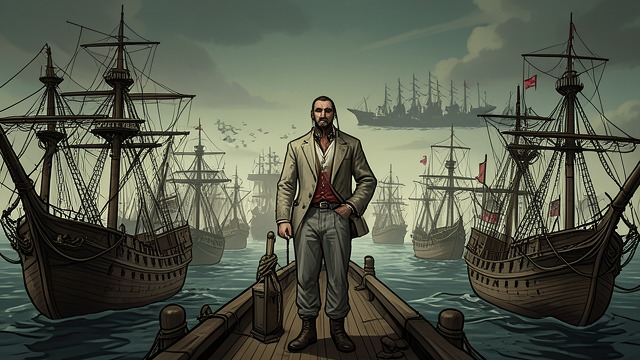
The Limits of Information
A Deceptive Fleet
Marcell receives reports that appear to describe civilian traffic, but the formation may conceal warships. The tools of command provide partial signals rather than perfect knowledge.
Judgment Under Ambiguity
He must decide whether to warn the fleet before certainty is available. Waiting may preserve calm but cost lives; acting may expose his own force to a mistaken response.
The Bluff Cannot Be Guaranteed
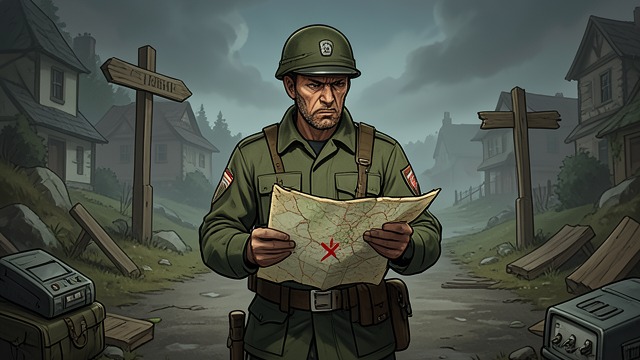
A Plan Against Chance
Uncertain Reinforcements
Marcell claims a relief force is approaching without knowing for certain that one is present in the relevant position. His message is designed to alter enemy choices rather than report a verified fact.
Randomness Remains
Mines, missile paths, and ship damage produce outcomes no commander can perfectly predict. Marcell can shape probabilities, but survival depends on decisions by individual crews and the arrival of forces beyond his control.
The Arrival Changes the Odds
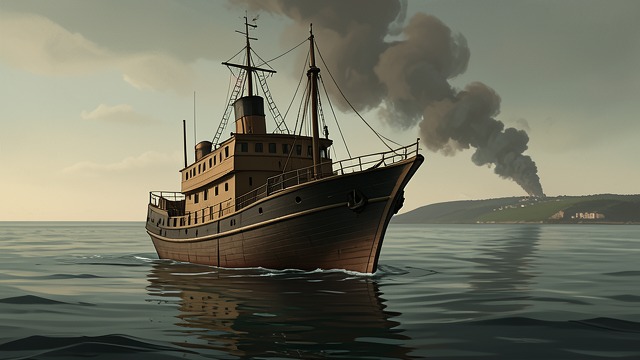
Chance Meets Preparation
Time Bought by Deception
The delays created by Marcell’s plan keep the Union from destroying the hidden force before help arrives. His deception succeeds not because it controls the enemy but because it complicates the enemy’s decisions.
A Narrow Survival
Danubia’s arrival turns the battle, but it cannot make the preceding choices irrelevant. The story treats victory as a result of preparation, improvisation, risk, and timing rather than a guarantee of superior virtue or skill.
Late afternoon on 2 November 2135 aboard Blackwater
Early morning on 3 November 2135 while the minefield is cleared
Morning on 3 November 2135 when Danubia enters the battle
