
Reproductive Loss and the Breaking Marriage
BlondeThis thread follows the conflict between Marilyn Monroe’s fierce hope for motherhood and the losses, secrecy, and pressure that repeatedly undermine that hope.
increasing Bearing strength in each event
 decreasing
Bearing strength in each eventdecreasingA Longing for a Child
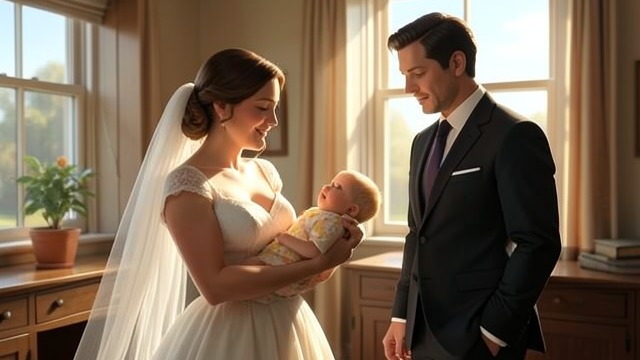
A Longing for a Child
Motherhood imagined as belonging
As a young wife, Norma Jeane Baker imagines having a child as a way to create the family she never had. She sometimes cares for Irina, and the experience strengthens her belief that mothering could make her feel less alone.
The future remains uncertain
Buchanan Glazer is absorbed by work and war, and the marriage offers no stable agreement about when or whether they will have a child. Norma Jeane’s hope grows alongside her fear that she will be abandoned again.
The Geminis’ Promise

The Geminis’ Promise
An imagined family takes shape
With Cass Chaplin and Eddy G, Norma Jeane believes she has found two people who understand and love her. Their three-person bond turns her desire for a child into a shared promise of family and permanence.
Hope outruns security
Their promise depends on unstable relationships, uncertain work, and the men’s own troubled lives. Still, Norma Jeane invests the idea of motherhood with the power to make her past and present cohere.
Pregnancy and the Decision
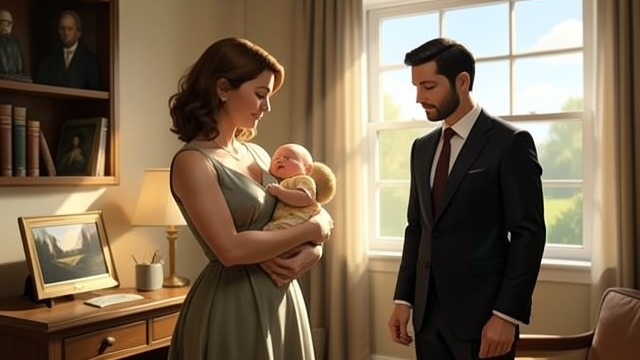
Pregnancy and the Decision
A long-awaited possibility
Norma Jeane discovers she is pregnant and feels that the child may finally give her a secure bond and a future beyond the studio. She imagines Cass Chaplin and Eddy G welcoming the baby and experiences the pregnancy as a rare sign that life is becoming whole.
Hope meets practical and physical pressure
The pregnancy arrives amid uncertain relationships and the demands of her work. Norma Jeane makes the decision to end it, a decision that leaves grief and guilt even as she continues to pursue a public career.
The Maine Miscarriage
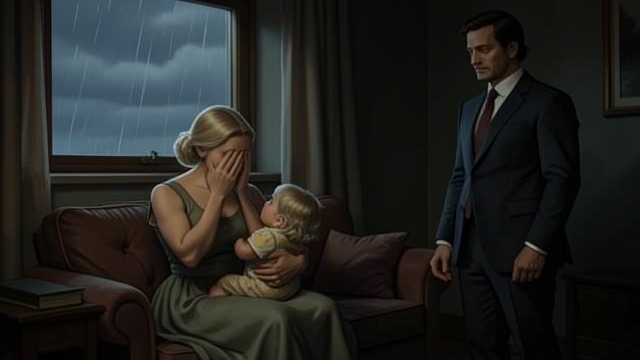
The Maine Miscarriage
A wanted pregnancy ends
Married to the Playwright and living at the Captain’s House, Norma Jeane believes she is pregnant again and hopes the child will secure a shared future. She loses the pregnancy after severe bleeding and pain, confronting the loss without the protection of the imagined family she had built around Baby.
Grief becomes private and unresolved
She and the Playwright do not find a shared language for the loss. Norma Jeane retreats into dreams, work, and guilt, while the Playwright is left with his own helplessness and fear that her pain will destroy them both.
A Final Hope for Motherhood
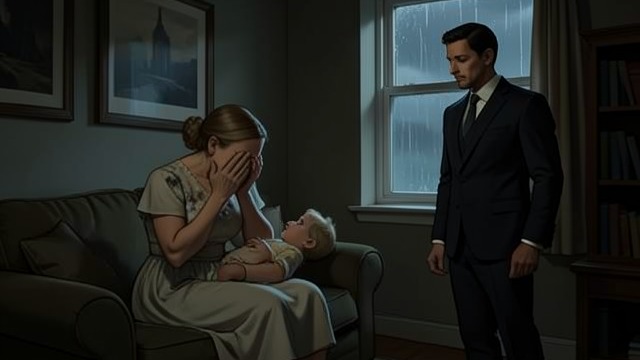
A Final Hope for Motherhood
Repeated loss shadows the marriage
After the miscarriage, Norma Jeane continues to hope for a child, while also fearing that pregnancy and motherhood may again end in grief. The couple’s estrangement deepens, and her wish for a family becomes entangled with medication, exhaustion, and the pressure of a career she can neither simply resume nor safely abandon.
The future remains unresolved
The novel leaves her hopes suspended between another attempt at motherhood and the possibility of further loss. Her longing persists not as a settled plan but as a conflict between the life she wants and the painful history she cannot escape.
The early 1940s, before Buchanan Glazer sails overseas
1953, during Norma Jeane’s relationship with Cass Chaplin and Eddy G
Spring 1953, before the June 1953 premiere
August 10, 1956, at Galapagos Cove
From the late 1950s to 1962
