
The Performer and the Self
BlondeThis thread follows the unstable boundary between Norma Jeane’s private self and the roles that help her survive, earn recognition, and lose control of her identity.
increasing Bearing strength in each event
 decreasing
Bearing strength in each eventdecreasingNames Before a Self

Names Before a Self
Identity arrives from outside
Norma Jeane grows up with shifting accounts of her parentage and family, learning that even her name is subject to decisions made by adults. The photograph of her supposed father gives her a new story about herself, but it does not give her direct access to him.
The need to be named
Because she fears that a person without a name may disappear, names become more than labels: they are evidence that someone exists in other people’s minds. This early dependence on being recognized later deepens into the division between Norma Jeane Baker and the public figure called Marilyn Monroe.
A Name Made for the Camera

A Name Made for the Camera
Naming as manufacture
After she receives her first Studio role, executives discuss replacing Norma Jeane Baker with a name they consider more marketable. The decision turns her identity into a professional product: a name is selected not to record her history but to shape the audience’s expectations.
The person behind the brand
Norma Jeane hopes to retain part of her given name and feels unsettled as the men decide for her. Marilyn Monroe can open doors, yet the name does not belong wholly to the person who must inhabit it. The novel presents her new identity as both an opportunity and the start of a persistent division between performer and private self.
Roles as Containers
Roles as Containers
Entering a character
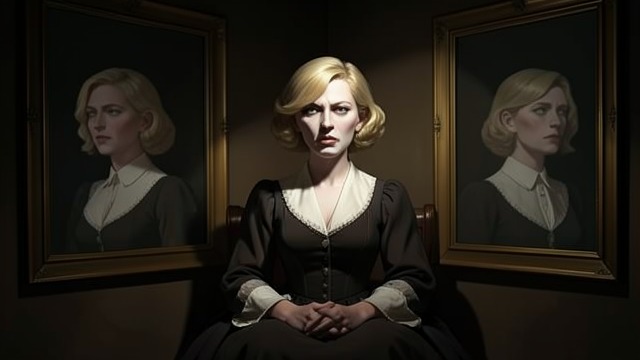
In the role of Nell, Norma Jeane finds that performance can contain emotions too intense to manage as herself. She works through the character’s distress with a concentration that unsettles colleagues, who cannot decide whether they are watching technique, instinct, or a real crisis.
The role is not the whole person
The novel repeatedly distinguishes the actor from the character, yet shows how porous the boundary becomes. Norma Jeane believes she contains Nell rather than being consumed by her; the claim gives her a measure of control, though the emotional cost suggests that performance can expose more than it conceals.
The Role of Cherie
The Role of Cherie
A character formed from memory
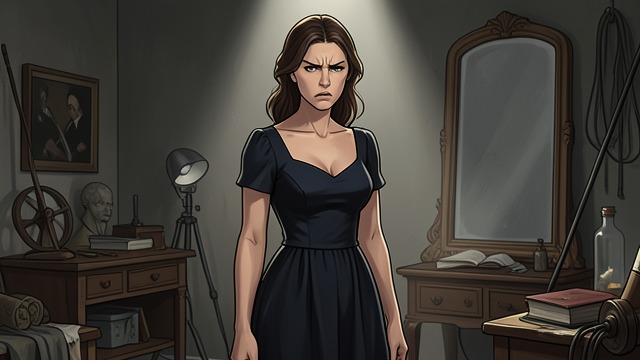
While preparing to play Cherie, the performer draws on vulnerability, hope, and the fear of being dismissed. The role is not simply another polished image: it becomes a way to give form to experiences the character and performer share without making them identical.
Instinct against technique
Her intense work on Cherie troubles colleagues because it appears to exceed ordinary craft. She regards the character as more than a fictional figure, while others warn that she must keep her own identity intact. The tension reveals a central question of the novel: whether acting frees her by giving pain a shape or endangers her by making every role part of herself.
A Self Beyond the Screen

A Self Beyond the Screen
Refusing a single identity
After the marriage ends, Marilyn Monroe considers leaving Hollywood and living independently, but the work still offers money, purpose, and recognition. She resists the idea that she is only the manufactured blonde while also depending on that persona to secure roles.
Becoming more than a role
The novel leaves her divided rather than reconciled: Norma Jeane is not simply the truth hidden behind Marilyn, and Marilyn is not merely a false mask. Each provides a different means of surviving the demands of others. Her pursuit of acting becomes a struggle to remain present within the image instead of vanishing behind it.
1932 and the years of childhood that follow
September 1947, at the Studio’s naming meeting
During the filming of La tua bocca brucia and Niagara
1956, during the filming of Bus Stop
1953–1956, after divorce and through the return to serious roles
